

Floor surface and air temperature
Useful for calculating localized comfort
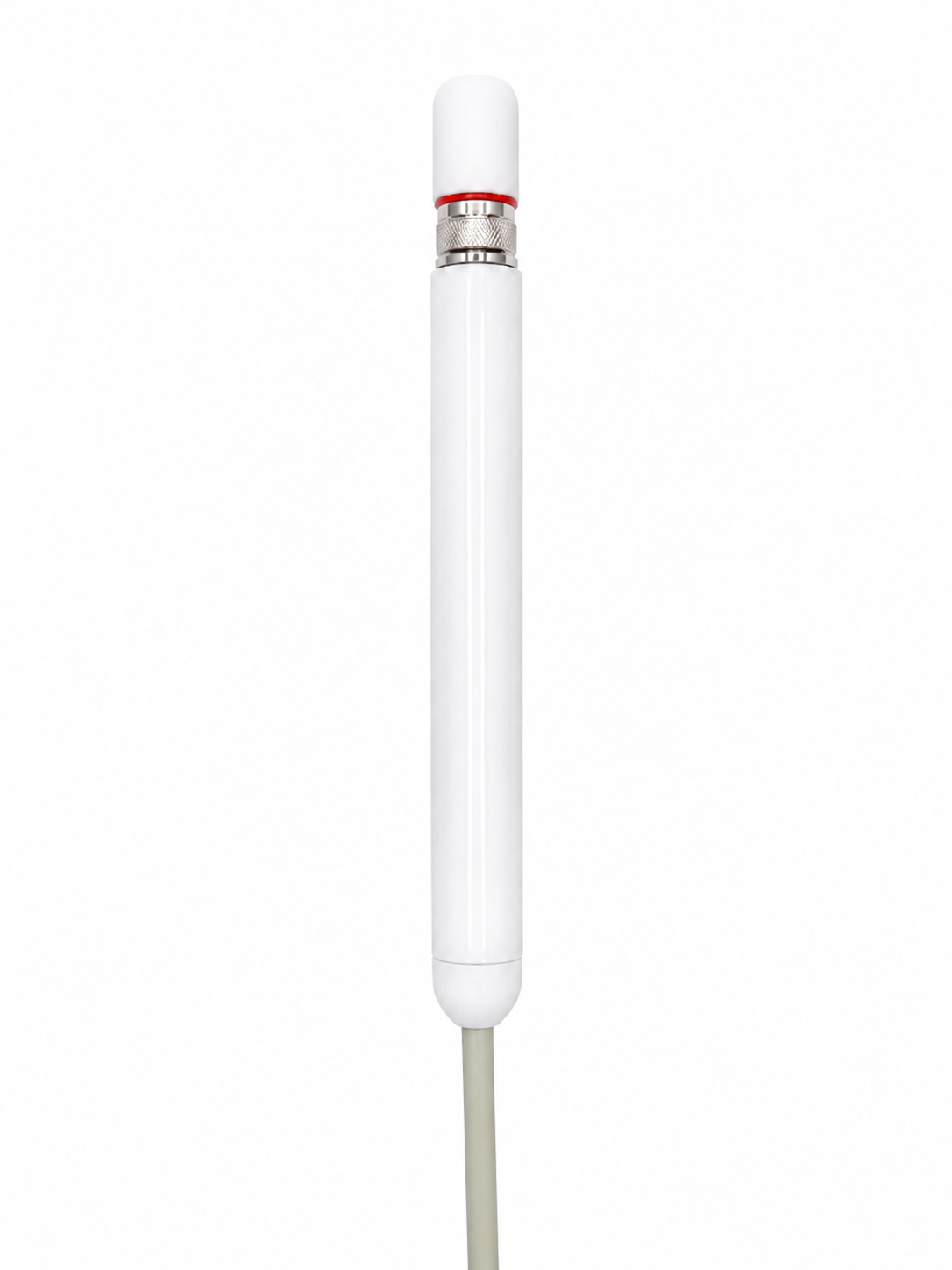
Sensor for measuring the floor surface temperature and air temperature at a distance of 10 cm from the floor.
DATA SHEETS
Description
Description
Useful for calculating localized comfort
The sensor is mounted inside a bayonet system, for which it is easily resting on the floor without special fixing systems. This sensor finds application in the testing of heated floors and evaluation of localized comfort (according to the ISO7730 standard), given by the temperature of the floor and the temperature gradient, both for these indexes are calculated directly by the M-Log data loggers, when combined with another air temperature sensor (type EST033), mounted at a height of 1.1 m.
Floor surface and air temperature
Highlights
- Double sensor for measuring the temperature in contact with the floor and the air temperature at 10 cm from the floor;
- Used for the calculation of localized discomfort indexes according to ISO7730: Dissatisfied by floor temperature and % dissatisfied by temperature differences. LSI LASTEM data loggers can directly calculate such indexes;
- Ideal for portable applications, it does not require special precautions to fix the sensor to the floor;
- Pt100 sensors with 0.15 °C accuracy;
- Connection to M/R-Log (ELO009-ELR510.1) data logger;
- In-house ISO17025 accredited calibration laboratory;
- Model code: EST130.
FAQ: Frequently Asked Questions
Why should floor surface temperature be measured in thermal comfort assessment?
A floor that is too warm or too cold can cause local thermal discomfort even when the overall thermal conditions of the room are acceptable. ISO 7730 therefore considers floor surface temperature among the factors responsible for local thermal discomfort and allows the percentage of people dissatisfied because of warm or cold floors to be estimated. This measurement is particularly relevant in offices, schools, public buildings and spaces with radiant floor heating or cooling.
Which local thermal comfort indices can be calculated from floor and air temperature measurements?
According to ISO 7730, floor surface temperature can be used to determine the percentage of people dissatisfied because the floor is too warm or too cold. By also measuring air temperature 10 cm above the floor and comparing it with air temperature at 1.1 m, the vertical air temperature gradient and the corresponding percentage of dissatisfied occupants can be assessed. LSI LASTEM data loggers can calculate both local discomfort indices directly.
Which standards consider floor temperature and vertical temperature gradient in thermal comfort assessment?
ISO 7730 includes both floor surface temperature and vertical air temperature difference among the criteria for local thermal discomfort. ANSI/ASHRAE Standard 55 also considers excessively warm or cold floors and vertical air stratification as potential causes of local discomfort; the 2023 edition specifies direct measurement of floor surface temperature. These parameters complement overall thermal comfort assessment based on indices such as PMV and PPD.
How does the LSI LASTEM floor surface and air temperature sensor work?
The EST130 sensor simultaneously measures floor surface temperature and air temperature 10 cm above the floor using two Pt100 sensors with a declared accuracy of 0.15 °C. It can simply be placed on the floor without special fixing systems, making it particularly suitable for portable microclimate surveys and testing of heated floors. When connected to an M-Log data logger and combined with an additional air temperature measurement at 1.1 m, it allows the local discomfort indices defined by ISO 7730 to be calculated directly.
Additional information
Additional information
| Applications | IEQ and environmental comfort, Stress and thermal comfort and related quantities portable |
|---|---|
| Grandezze |
Product
EST130
Categories Indoor sensors, Temperature
Useful for calculating localized comfort
The sensor is mounted inside a bayonet system, for which it is easily resting on the floor without special fixing systems. This sensor finds application in the testing of heated floors and evaluation of localized comfort (according to the ISO7730 standard), given by the temperature of the floor and the temperature gradient, both for these indexes are calculated directly by the M-Log data loggers, when combined with another air temperature sensor (type EST033), mounted at a height of 1.1 m.
Floor surface and air temperature
Highlights
- Double sensor for measuring the temperature in contact with the floor and the air temperature at 10 cm from the floor;
- Used for the calculation of localized discomfort indexes according to ISO7730: Dissatisfied by floor temperature and % dissatisfied by temperature differences. LSI LASTEM data loggers can directly calculate such indexes;
- Ideal for portable applications, it does not require special precautions to fix the sensor to the floor;
- Pt100 sensors with 0.15 °C accuracy;
- Connection to M/R-Log (ELO009-ELR510.1) data logger;
- In-house ISO17025 accredited calibration laboratory;
- Model code: EST130.
FAQ: Frequently Asked Questions
Why should floor surface temperature be measured in thermal comfort assessment?
A floor that is too warm or too cold can cause local thermal discomfort even when the overall thermal conditions of the room are acceptable. ISO 7730 therefore considers floor surface temperature among the factors responsible for local thermal discomfort and allows the percentage of people dissatisfied because of warm or cold floors to be estimated. This measurement is particularly relevant in offices, schools, public buildings and spaces with radiant floor heating or cooling.
Which local thermal comfort indices can be calculated from floor and air temperature measurements?
According to ISO 7730, floor surface temperature can be used to determine the percentage of people dissatisfied because the floor is too warm or too cold. By also measuring air temperature 10 cm above the floor and comparing it with air temperature at 1.1 m, the vertical air temperature gradient and the corresponding percentage of dissatisfied occupants can be assessed. LSI LASTEM data loggers can calculate both local discomfort indices directly.
Which standards consider floor temperature and vertical temperature gradient in thermal comfort assessment?
ISO 7730 includes both floor surface temperature and vertical air temperature difference among the criteria for local thermal discomfort. ANSI/ASHRAE Standard 55 also considers excessively warm or cold floors and vertical air stratification as potential causes of local discomfort; the 2023 edition specifies direct measurement of floor surface temperature. These parameters complement overall thermal comfort assessment based on indices such as PMV and PPD.
How does the LSI LASTEM floor surface and air temperature sensor work?
The EST130 sensor simultaneously measures floor surface temperature and air temperature 10 cm above the floor using two Pt100 sensors with a declared accuracy of 0.15 °C. It can simply be placed on the floor without special fixing systems, making it particularly suitable for portable microclimate surveys and testing of heated floors. When connected to an M-Log data logger and combined with an additional air temperature measurement at 1.1 m, it allows the local discomfort indices defined by ISO 7730 to be calculated directly.