Psychrometer sensor
Dry bulb and wet bulb temperature sensor
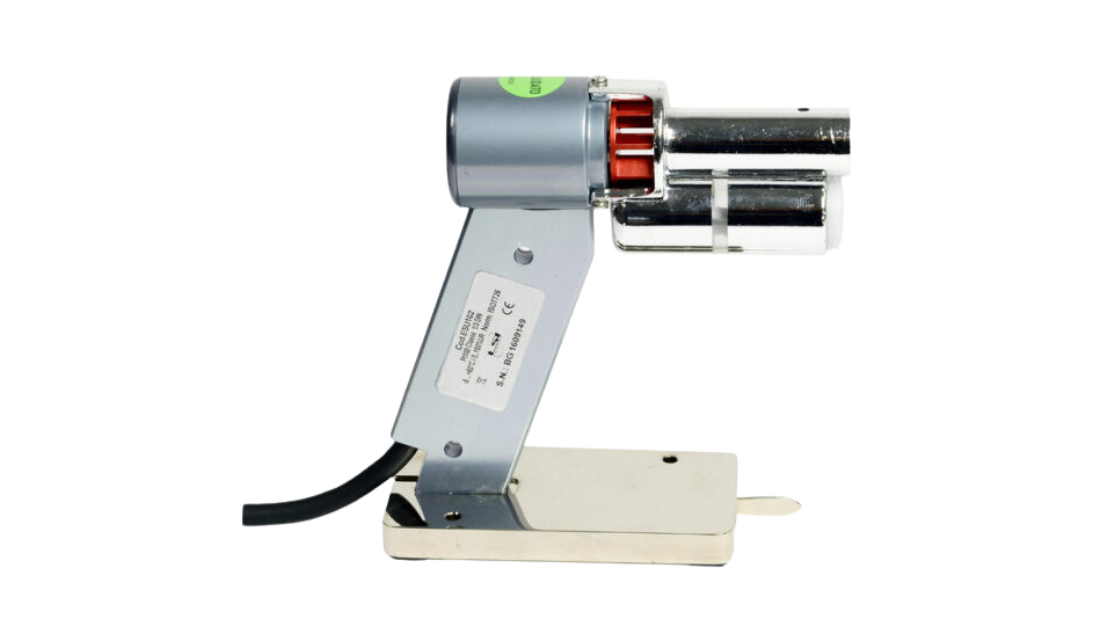
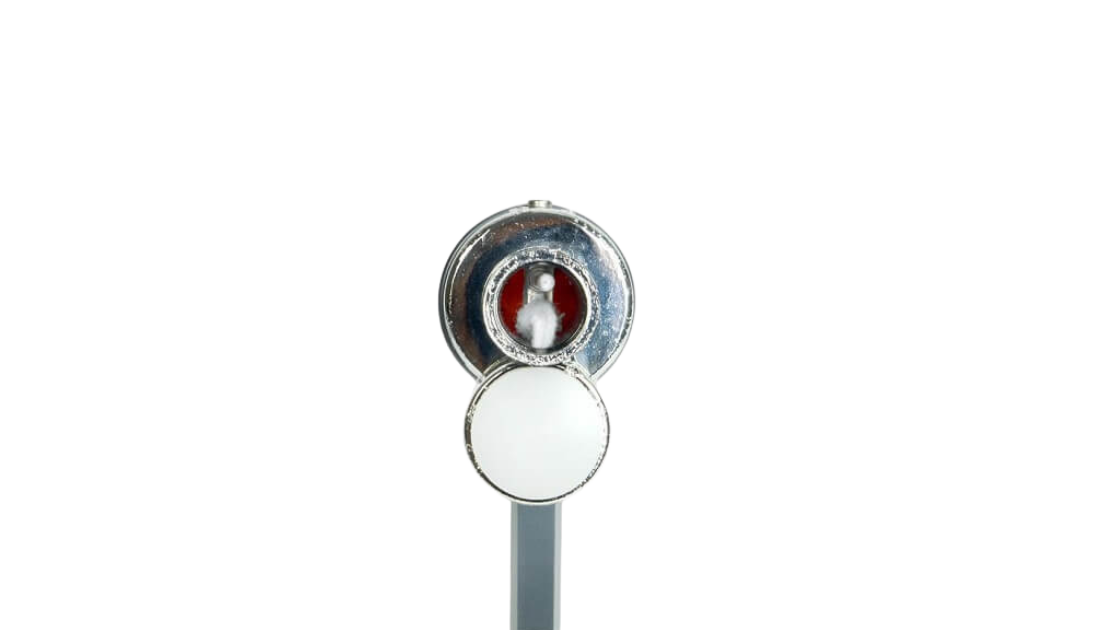
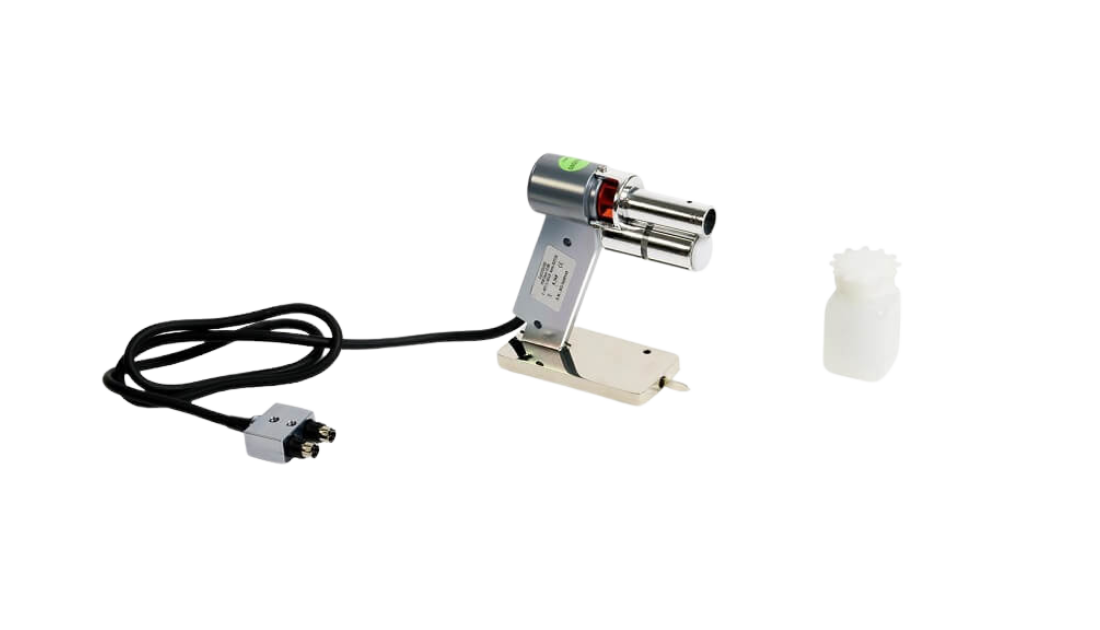
Psychrometer sensor with wet&dry bulbs and forced ventilation.
Wet bulb is closed inside a wet cotton sock from a distilled water tank.
DATA SHEETS
Description
Description
Dry bulb and wet bulb temperature sensor
This sensor has a very good stability because it is based on a direct measurement of temperature using 1/3 DIN element and it is not sensitive to the time drift of every hygrometer element.
LSI LASTEM data loggers can calculate Relative Humidity starting from wet & dry temperatures.
Psychrometer sensor
Highlights
- Wet&Dry forced ventilation temperatures sensor. Design made according to ISO7726 standard;
- Direct calculation of the Relative Humidity and Dew Point using LSI LASTEM data logger according to ISO7726 standard;
- 2% accuracy assured over the whole range (0-100%) and wide operative temperature (0÷60°C);
- High accuracy Pt100 1/3 DIN B sensitive elements;
- Forced ventilation on the sensitive elements: >2 m/s;
- Long term stability and robust principle. Applications in polluted/salty air even near the saturation with high temperatures;
- Internal ISO17025 accreditated calibration laboratory;
- Model code: ESU102A.
FAQ: Frequently Asked Questions
What is the difference between a psychrometer and a capacitive thermo-hygrometer?
A psychrometer determines relative humidity from dry-bulb and wet-bulb temperature measurements, while a capacitive thermo-hygrometer uses a sensing element that measures relative humidity directly. The LSI LASTEM psychrometer uses two Pt100 sensors with forced ventilation, whereas capacitive thermo-hygrometers generally provide a more compact solution with fast response and lower water-management requirements.
When should a psychrometer be preferred to a capacitive humidity sensor?
A psychrometer is particularly suitable when long-term stability, a robust measurement principle and reliable operation under demanding conditions are important, for example in polluted or salty air, high humidity or near-saturation conditions. A capacitive sensor is often preferable when compactness, low maintenance, continuous monitoring and easy integration into automated networks are priorities.
Which standards apply to psychrometric humidity measurements in thermal environments?
The LSI LASTEM psychrometer is designed according to ISO 7726, the international standard defining minimum instrument characteristics and measurement methods for physical quantities in thermal environments. From dry- and wet-bulb temperatures, LSI LASTEM data loggers calculate relative humidity and dew point using a psychrometric approach. The current edition is ISO 7726:2025.
What are the main advantages of the LSI LASTEM psychrometer?
The ESU102A psychrometer uses two high-accuracy Pt100 1/3 DIN B elements, forced ventilation above 2 m/s and supports direct calculation of relative humidity and dew point through LSI LASTEM data loggers. Because the measurement principle is based on direct temperature measurements, it is less sensitive to the long-term drift typical of hygrometric sensing elements. Declared relative humidity accuracy is 2% over the full 0–100% range.
Additional information
Additional information
| Grandezze | |
|---|---|
| Applications | IEQ and environmental comfort, Museums and archaeological sites, Stress and thermal comfort and related quantities portable |
Product
ESU102A
Categories Indoor sensors, Sensors, Temperature and Relative Humidity
Dry bulb and wet bulb temperature sensor
This sensor has a very good stability because it is based on a direct measurement of temperature using 1/3 DIN element and it is not sensitive to the time drift of every hygrometer element.
LSI LASTEM data loggers can calculate Relative Humidity starting from wet & dry temperatures.
Psychrometer sensor
Highlights
- Wet&Dry forced ventilation temperatures sensor. Design made according to ISO7726 standard;
- Direct calculation of the Relative Humidity and Dew Point using LSI LASTEM data logger according to ISO7726 standard;
- 2% accuracy assured over the whole range (0-100%) and wide operative temperature (0÷60°C);
- High accuracy Pt100 1/3 DIN B sensitive elements;
- Forced ventilation on the sensitive elements: >2 m/s;
- Long term stability and robust principle. Applications in polluted/salty air even near the saturation with high temperatures;
- Internal ISO17025 accreditated calibration laboratory;
- Model code: ESU102A.
FAQ: Frequently Asked Questions
What is the difference between a psychrometer and a capacitive thermo-hygrometer?
A psychrometer determines relative humidity from dry-bulb and wet-bulb temperature measurements, while a capacitive thermo-hygrometer uses a sensing element that measures relative humidity directly. The LSI LASTEM psychrometer uses two Pt100 sensors with forced ventilation, whereas capacitive thermo-hygrometers generally provide a more compact solution with fast response and lower water-management requirements.
When should a psychrometer be preferred to a capacitive humidity sensor?
A psychrometer is particularly suitable when long-term stability, a robust measurement principle and reliable operation under demanding conditions are important, for example in polluted or salty air, high humidity or near-saturation conditions. A capacitive sensor is often preferable when compactness, low maintenance, continuous monitoring and easy integration into automated networks are priorities.
Which standards apply to psychrometric humidity measurements in thermal environments?
The LSI LASTEM psychrometer is designed according to ISO 7726, the international standard defining minimum instrument characteristics and measurement methods for physical quantities in thermal environments. From dry- and wet-bulb temperatures, LSI LASTEM data loggers calculate relative humidity and dew point using a psychrometric approach. The current edition is ISO 7726:2025.
What are the main advantages of the LSI LASTEM psychrometer?
The ESU102A psychrometer uses two high-accuracy Pt100 1/3 DIN B elements, forced ventilation above 2 m/s and supports direct calculation of relative humidity and dew point through LSI LASTEM data loggers. Because the measurement principle is based on direct temperature measurements, it is less sensitive to the long-term drift typical of hygrometric sensing elements. Declared relative humidity accuracy is 2% over the full 0–100% range.