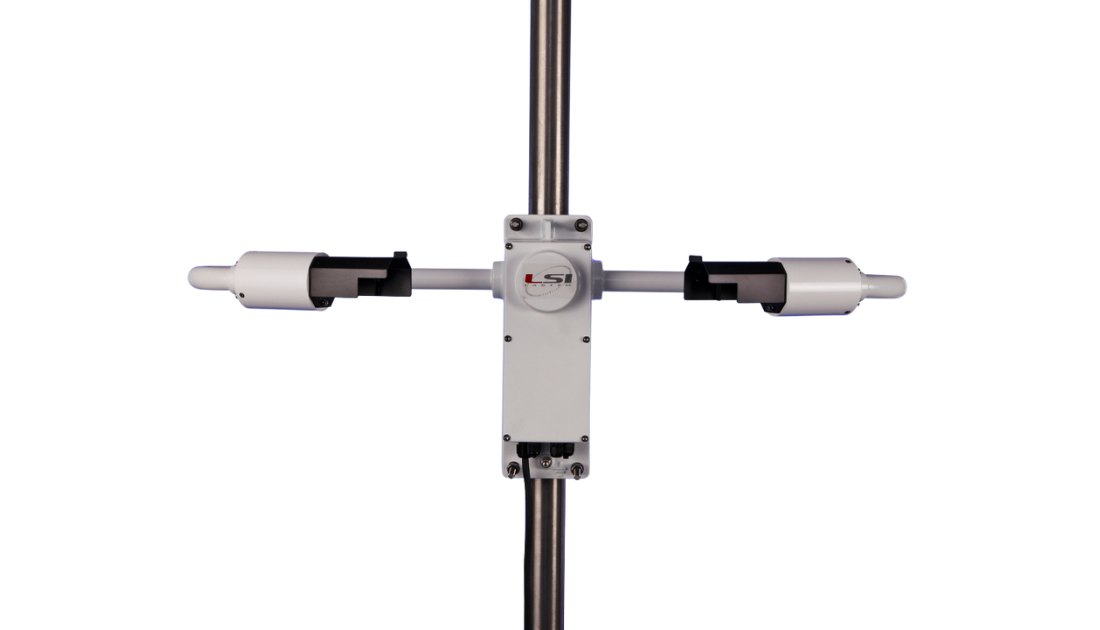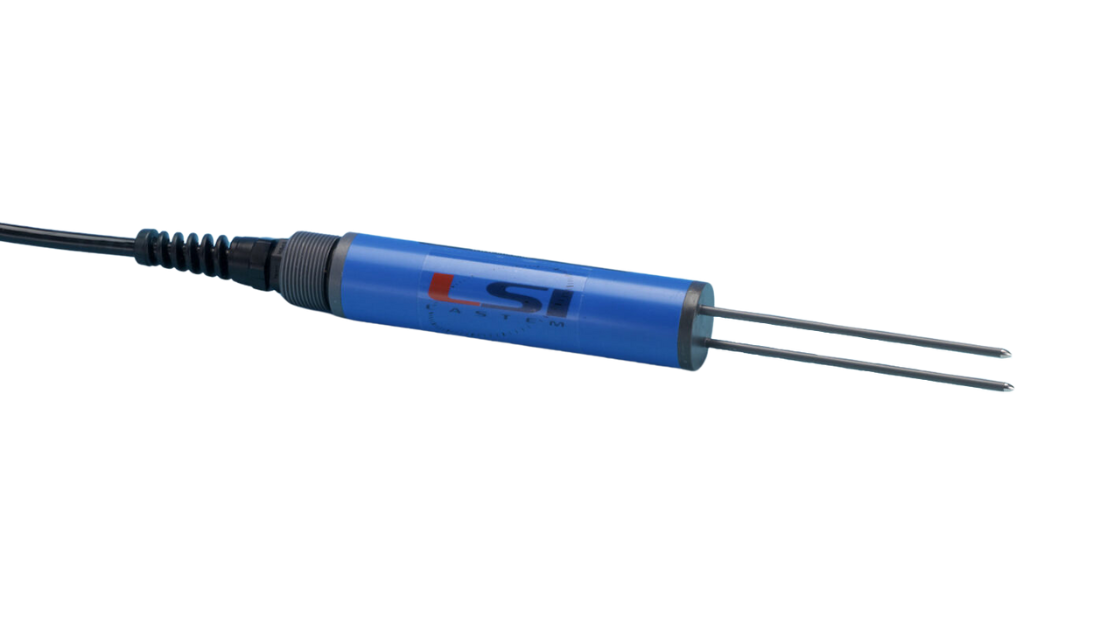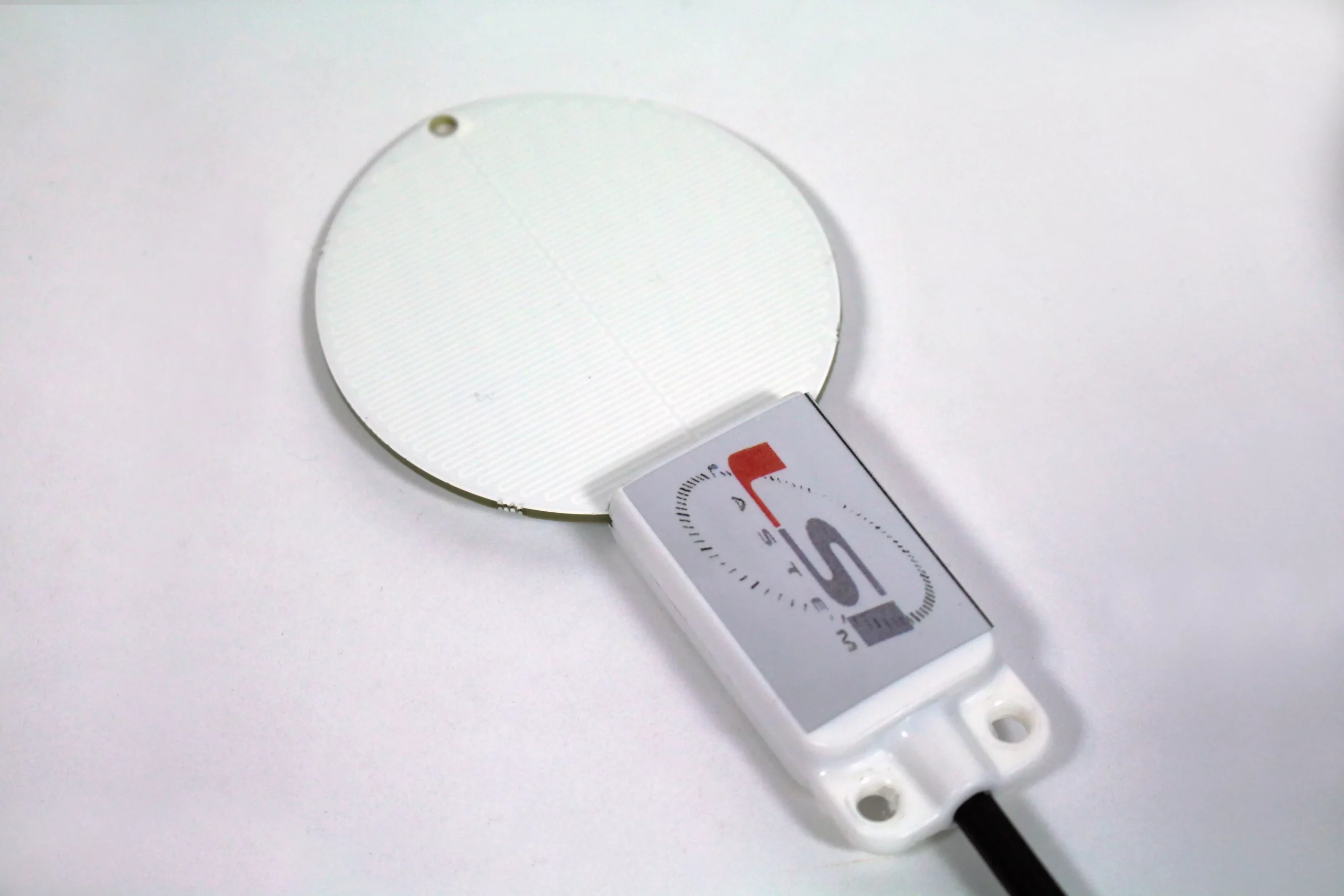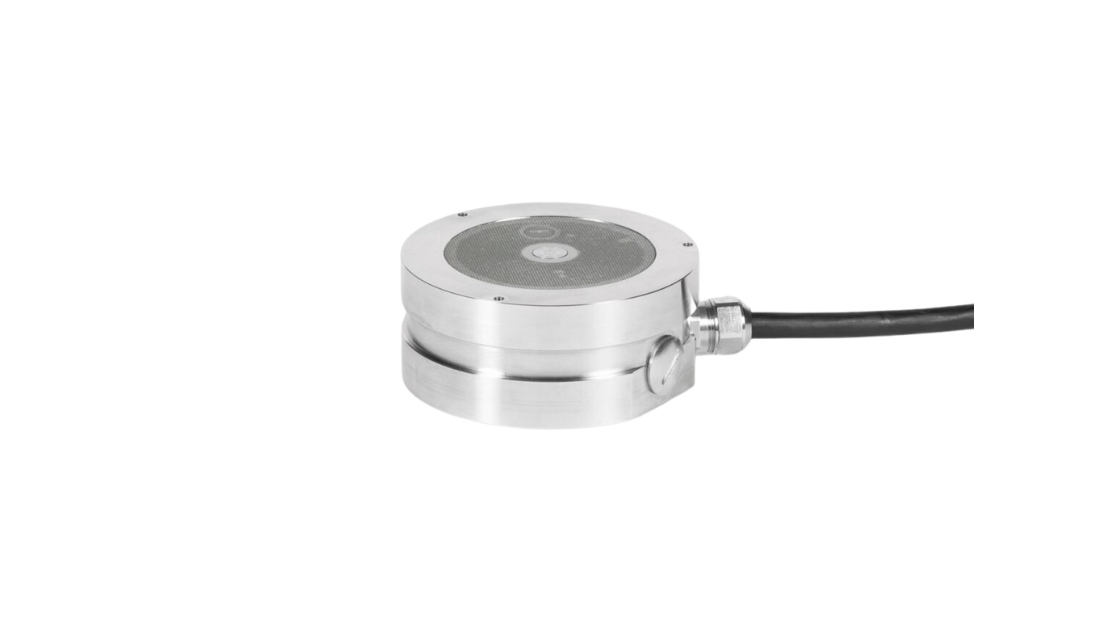
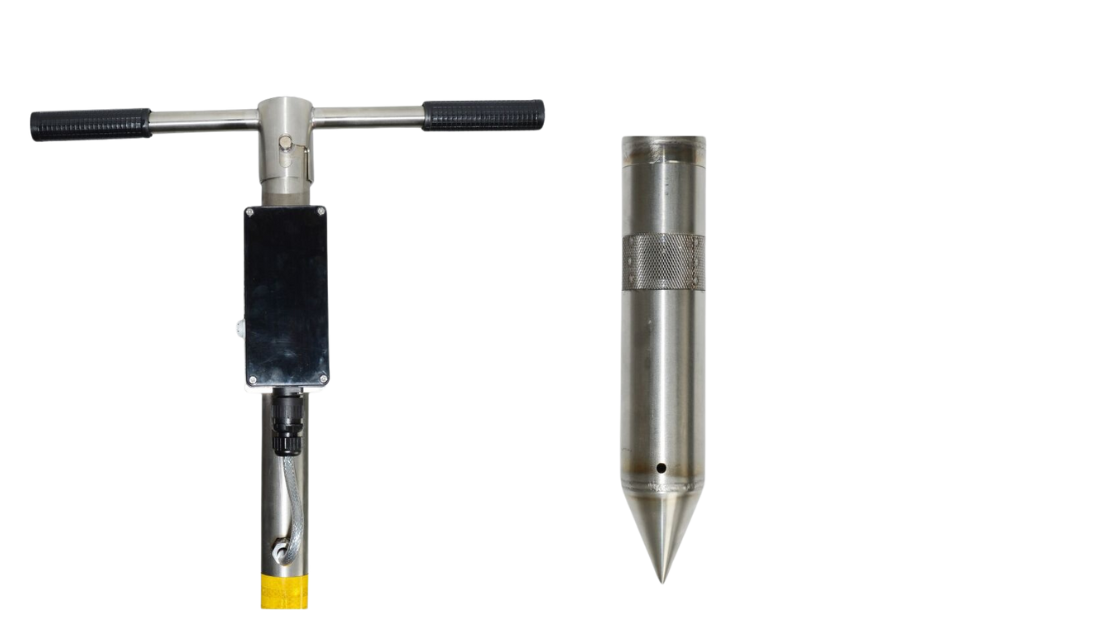
Asphalt state temperature, aqueous film, freezing and residual salt
Wide range of sensors for continuous monitoring of the conditions of asphalt surfaces
Sensors for complete monitoring of the condition of the asphalt. Designed in severe environments subjected to snow and ice treatment interventions.
Asphalt condition sensors.
DATA SHEETS
Description
Description
Wide range of sensors for continuous monitoring of the conditions of asphalt surfaces
Different versions of the same sensor are made to measure also the underground temperatures using separate sensor units. Main difference between DQA352 and DQA353 is the better accuracy of the DQA353 in the Water film thickness and Freezing point temperature specifications.
DQA352 has RS485 output with an open protocol suitable for connection to LSI LASTEM and Boschung data loggers as well as third part integration systems.
DQA353 has a Boschung proprietary protocol only.
DQA352-353 sensors are made by Boschung Mecatronic AG.
Surface temperature, asphalt state and aqueous film
Highlights
These sensors accurately report the following parameters:
- Road surface temperature;
- Road conditions;
- Water film thickness on the pavement;
- Model codes: DQA352.0, DQA352.0E, DQA352.1E, DQA352.2E, DQA353.0, DQA353.0E, DQA353.1E, DQA353.2E.
FAQ: Frequently Asked Questions
Which parameters are monitored for a complete assessment of pavement conditions?
The sensors continuously monitor surface temperature, pavement condition, water-film thickness, freezing-point temperature and residual salt concentration. Combining these parameters provides a much more complete picture of actual pavement conditions than air temperature alone and supports winter management of roads, bridges, aprons and airport runways.
Why is it useful to measure water film, freezing point and residual salt on roads?
Water-film thickness indicates the presence and amount of water on the pavement, while freezing-point temperature helps assess when this water may turn into ice. Residual salt concentration also provides information on the effect of previously applied anti-icing treatments. Together, these measurements can support more targeted winter-maintenance decisions instead of relying only on air or pavement temperature.
How can this type of sensor support airport runway monitoring and the ICAO GRF?
At airports, continuous pavement monitoring helps identify dry, wet, moist, water-covered or potentially slippery surface conditions and track their evolution during rain, snow or freezing events. The ICAO Global Reporting Format (GRF) standardises runway condition assessment through the Runway Condition Report, Runway Condition Code and Runway Condition Assessment Matrix. Pavement-sensor data can therefore provide objective supporting information within a broader runway-condition assessment and management system, without replacing the procedures required by the GRF.
Which features make these sensors suitable for roads and airports under severe winter conditions?
The sensors are designed for permanent installation on surfaces exposed to snow, ice and anti-icing treatments and can classify pavement conditions as dry, wet, moist, flowing water or slippery according to EN 15518-3. Versions with additional probes are also available for measuring temperatures below the road surface. The DQA352 also provides an open-protocol RS485 output for integration into third-party acquisition systems and RWIS networks.
Additional information
Additional information
| Grandezze | |
|---|---|
| Applications |
Product
DQA352.0-DQA352.0E-DQA352.1E-DQA352.2E-DQA353.0-DQA353.0E-DQA353.1E-DQA353.2E
Categories Asphalt status sensors, Sensors, Temperature, state, aqueous film, salt
Wide range of sensors for continuous monitoring of the conditions of asphalt surfaces
Different versions of the same sensor are made to measure also the underground temperatures using separate sensor units. Main difference between DQA352 and DQA353 is the better accuracy of the DQA353 in the Water film thickness and Freezing point temperature specifications.
DQA352 has RS485 output with an open protocol suitable for connection to LSI LASTEM and Boschung data loggers as well as third part integration systems.
DQA353 has a Boschung proprietary protocol only.
DQA352-353 sensors are made by Boschung Mecatronic AG.
Surface temperature, asphalt state and aqueous film
Highlights
These sensors accurately report the following parameters:
- Road surface temperature;
- Road conditions;
- Water film thickness on the pavement;
- Model codes: DQA352.0, DQA352.0E, DQA352.1E, DQA352.2E, DQA353.0, DQA353.0E, DQA353.1E, DQA353.2E.
FAQ: Frequently Asked Questions
Which parameters are monitored for a complete assessment of pavement conditions?
The sensors continuously monitor surface temperature, pavement condition, water-film thickness, freezing-point temperature and residual salt concentration. Combining these parameters provides a much more complete picture of actual pavement conditions than air temperature alone and supports winter management of roads, bridges, aprons and airport runways.
Why is it useful to measure water film, freezing point and residual salt on roads?
Water-film thickness indicates the presence and amount of water on the pavement, while freezing-point temperature helps assess when this water may turn into ice. Residual salt concentration also provides information on the effect of previously applied anti-icing treatments. Together, these measurements can support more targeted winter-maintenance decisions instead of relying only on air or pavement temperature.
How can this type of sensor support airport runway monitoring and the ICAO GRF?
At airports, continuous pavement monitoring helps identify dry, wet, moist, water-covered or potentially slippery surface conditions and track their evolution during rain, snow or freezing events. The ICAO Global Reporting Format (GRF) standardises runway condition assessment through the Runway Condition Report, Runway Condition Code and Runway Condition Assessment Matrix. Pavement-sensor data can therefore provide objective supporting information within a broader runway-condition assessment and management system, without replacing the procedures required by the GRF.
Which features make these sensors suitable for roads and airports under severe winter conditions?
The sensors are designed for permanent installation on surfaces exposed to snow, ice and anti-icing treatments and can classify pavement conditions as dry, wet, moist, flowing water or slippery according to EN 15518-3. Versions with additional probes are also available for measuring temperatures below the road surface. The DQA352 also provides an open-protocol RS485 output for integration into third-party acquisition systems and RWIS networks.