Wetness presence
Sensor for the presence and persistence of water on the leaf surfaces
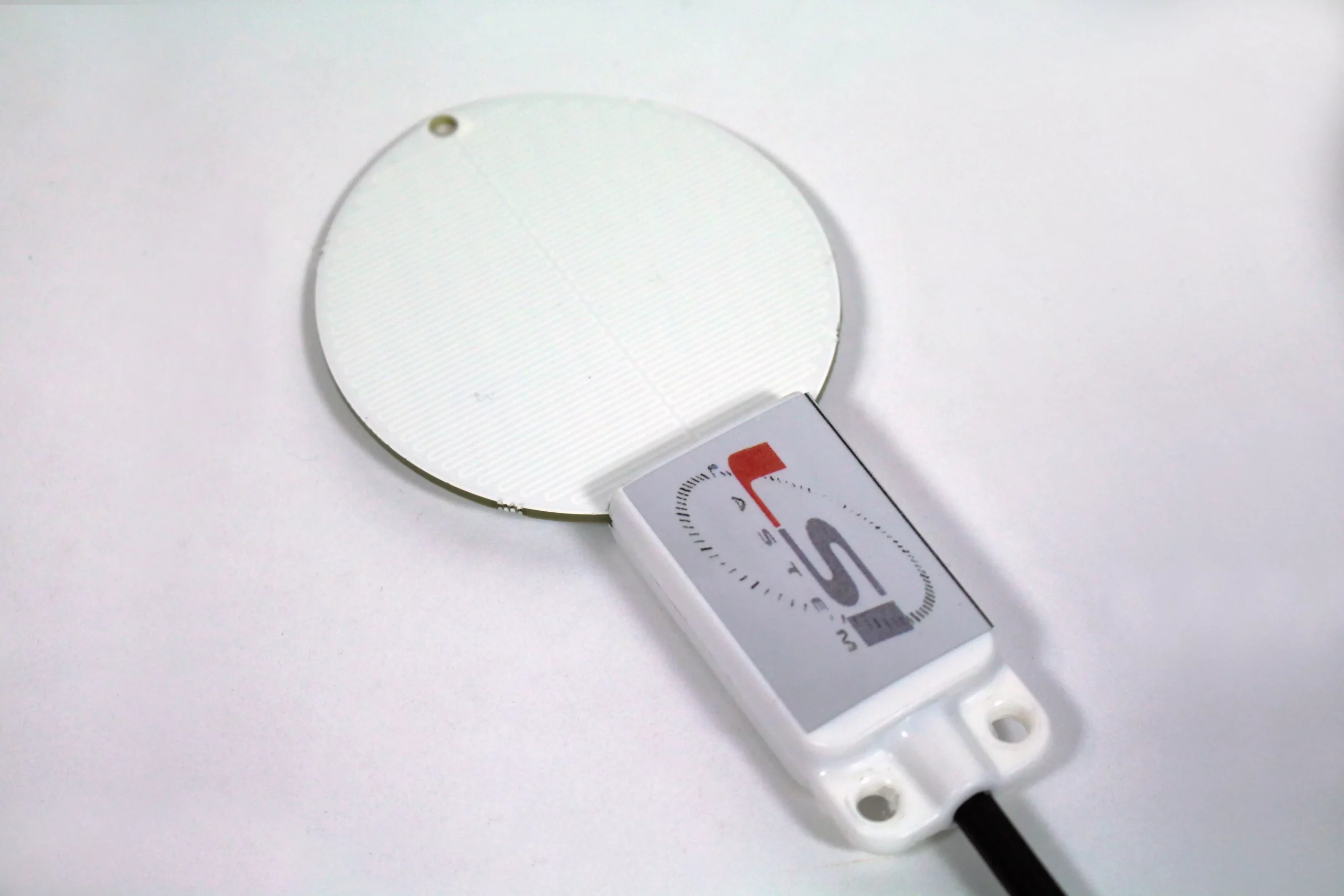
The Wetness presence sensors detect the presence of water over the leaf surface irrespective of the source. Sensors is based on the principle of conductivity between electrodes, which are arranged on the double sensitive surface.
Of reduced size and weight, it can be applied on the surface of leaves or as a simulation of their behavior.
DATA SHEETS
Description
Description
Wetness presence
Highlights
- Measures the presence of wetting, however generated in a range of 0-100%;
- Given its small size and weight, applicable on the leaf surface, or usable as a simulation of the behaviour of the leaf;
- Measure the presence of wetting independently on its two faces; two independent outputs;
- Model code: DQA057.1.
FAQ: Frequently Asked Questions
What is a leaf wetness sensor used for?
The sensor measures the presence and persistence of water on leaf surfaces, regardless of whether it comes from rain, dew, fog, or irrigation. Leaf wetness duration is an important agrometeorological parameter because, together with temperature, it helps assess conditions that may favour the development of many fungal and bacterial diseases.
How does the LSI LASTEM leaf wetness sensor work?
The sensor detects changes in the electrical properties between the electrodes on the sensitive surfaces when water is deposited. The result is expressed as the percentage of wet area on a scale from 0 to 100%, making it possible to monitor both the beginning and the development of the wetness event.
Why does the sensor measure both surfaces separately?
The two sensitive sides have independent outputs and can represent the upper and lower surfaces of a leaf. This configuration makes it possible to detect different wetness conditions on the two sides, improving measurement representativeness compared with a sensor with only one active surface.
How is the leaf wetness sensor installed and integrated?
Thanks to its compact size and low weight, the sensor can be attached directly to a leaf or installed in a position that simulates its orientation and behaviour. It has IP67 protection, an operating range from −30 to +60 °C, and can be connected to E-Log and Alpha-Log data loggers through the EDSCA2000 interface and the ALIEM module.
Additional information
Additional information
| Applications | |
|---|---|
| Grandezze |
Product
DQA057.1
Categories Meteo sensors, Sensors, Wetness presence
Wetness presence
Highlights
- Measures the presence of wetting, however generated in a range of 0-100%;
- Given its small size and weight, applicable on the leaf surface, or usable as a simulation of the behaviour of the leaf;
- Measure the presence of wetting independently on its two faces; two independent outputs;
- Model code: DQA057.1.
FAQ: Frequently Asked Questions
What is a leaf wetness sensor used for?
The sensor measures the presence and persistence of water on leaf surfaces, regardless of whether it comes from rain, dew, fog, or irrigation. Leaf wetness duration is an important agrometeorological parameter because, together with temperature, it helps assess conditions that may favour the development of many fungal and bacterial diseases.
How does the LSI LASTEM leaf wetness sensor work?
The sensor detects changes in the electrical properties between the electrodes on the sensitive surfaces when water is deposited. The result is expressed as the percentage of wet area on a scale from 0 to 100%, making it possible to monitor both the beginning and the development of the wetness event.
Why does the sensor measure both surfaces separately?
The two sensitive sides have independent outputs and can represent the upper and lower surfaces of a leaf. This configuration makes it possible to detect different wetness conditions on the two sides, improving measurement representativeness compared with a sensor with only one active surface.
How is the leaf wetness sensor installed and integrated?
Thanks to its compact size and low weight, the sensor can be attached directly to a leaf or installed in a position that simulates its orientation and behaviour. It has IP67 protection, an operating range from −30 to +60 °C, and can be connected to E-Log and Alpha-Log data loggers through the EDSCA2000 interface and the ALIEM module.