Air speed
Hot wire anemometer
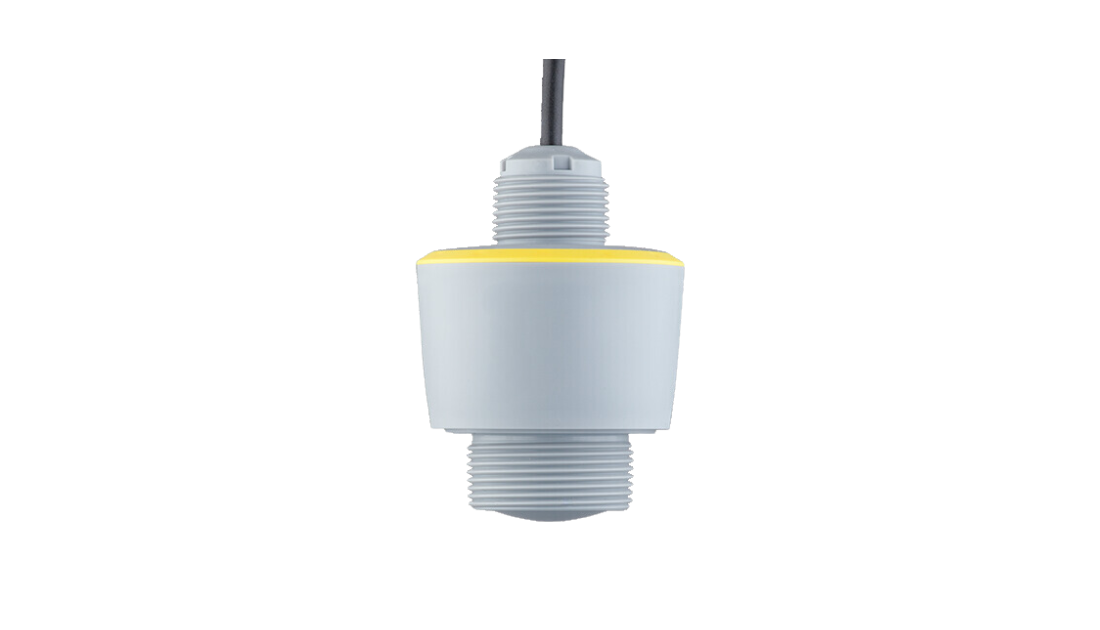
Portable hot wire anemometer for measuring mean air speed (va). ESV108-309 measure the air speed only, using one sample every 100 ms and update output every one sec.
The ESV307 model is similar to the ESV108 model, but its output is serial to be connected directly to the RS232-2 port of the E / M-Log data loggers.
DATA SHEETS
Description
Description
Hot wire anemometer
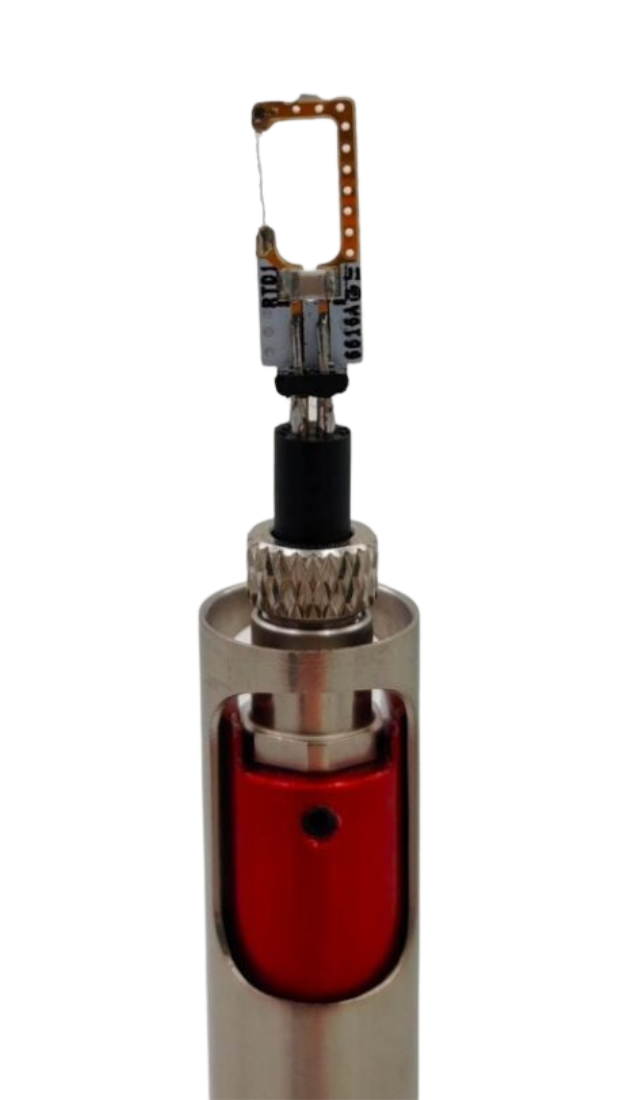
ESV308 calculates also turbolence intensity (TU) in compliance with ISO7726 using air speed measurement sampled every 100 ms, a rate allowing calculation of Average air speed (va), standard deviation and Turbulence index over 1 second. The reading is then updated every second with a running average over the previous 5 sec. These sensors can be used in indoor environments, ducts, ventilation outlets. It can be hand-held or it can be mounted on a tripod during longer measurements. When the support for the directional measurement is removed, this sensor has a good response to plane omnidirectional air flow which arrive on the hot wire from any directions within 300°.
Air speed
Highlights
- Replaceable head for easy repair of broken wire;
- Very low measurement threshold: 0,01 m/s;
- Because of the omnidirectional sensitivity, this sensor is very suitable in applications where the air flow is not directional as in Heat stress and Thermal comfort applications;
- Using air speed values, LSI LASTEM’s M/R-Log data loggers can calculate directly air flow (mass and volume) and number of air changes;
- Because of the fast response time, this sensor is very suitable for Turbolence Intensity (TU) measurements; LSI LASTEM M/R-Log data loggers can calculate directly TU and % of people dissatisfy by air draft as described in ISO7730 standard;
- Internal ISO17025 accredited calibration laboratory;
- Model codes: EXP126, ESV108.1, ESV108, ESV308, ESV126.
FAQ: Frequently Asked Questions
Why use a true hot-wire anemometer for indoor air velocity measurement?
A true hot-wire anemometer uses a very thin heated wire that is highly sensitive to heat transfer caused even by extremely low airflows. This technology is particularly suitable for indoor measurements, where air velocities are often very low and small variations can affect occupants’ thermal comfort. LSI LASTEM hot-wire anemometers provide measurement thresholds down to 0.01 m/s and are designed for accurate air velocity measurements in microclimate, thermal comfort, duct and ventilation outlet applications.
What is the difference between a true hot-wire sensor and a heated-sphere sensor?
A hot wire and a heated sphere are two different sensing technologies and should not be considered equivalent. The LSI LASTEM sensor uses an actual heated tungsten wire, whose very low thermal mass provides high sensitivity and fast response. These characteristics are especially important when measuring low air velocities and rapid airflow fluctuations, as required in thermal comfort and turbulence assessments. Standards assess the overall performance of the instrument rather than simply prescribing a technology by name.
Which standards require accurate air velocity measurement for thermal comfort assessment?
ISO 7726:2025 specifies the characteristics of instruments and methods used to measure physical quantities in thermal environments, including air velocity. Air velocity is also important in assessments according to ISO 7730, where mean air speed and turbulence intensity contribute to evaluating thermal comfort and discomfort caused by draught. The LSI LASTEM ESV308 samples air speed every 100 ms and determines mean air speed, standard deviation and turbulence intensity.
What makes LSI LASTEM hot-wire anemometers particularly accurate?
LSI LASTEM hot-wire anemometers combine a measurement range from 0.01 to 20 m/s, high sensitivity at low air velocities, fast response and near-omnidirectional sensitivity over an approximately 300° arc. Their declared accuracies meet the performance requirements of ISO 7726. LSI LASTEM also operates an internal ISO/IEC 17025 accredited laboratory for air velocity, where sensors are tested and accredited calibration certificates can be supplied on request.
Additional information
Additional information
| Applications | IEQ and environmental comfort, Museums and archaeological sites, Stress and thermal comfort and related quantities portable |
|---|---|
| Grandezze |
Product
EXP126-ESV108.1-ESV108-ESV308-ESV126
Categories Air speed, Indoor sensors, Sensors
Hot wire anemometer
ESV308 calculates also turbolence intensity (TU) in compliance with ISO7726 using air speed measurement sampled every 100 ms, a rate allowing calculation of Average air speed (va), standard deviation and Turbulence index over 1 second. The reading is then updated every second with a running average over the previous 5 sec. These sensors can be used in indoor environments, ducts, ventilation outlets. It can be hand-held or it can be mounted on a tripod during longer measurements. When the support for the directional measurement is removed, this sensor has a good response to plane omnidirectional air flow which arrive on the hot wire from any directions within 300°.
Air speed
Highlights
- Replaceable head for easy repair of broken wire;
- Very low measurement threshold: 0,01 m/s;
- Because of the omnidirectional sensitivity, this sensor is very suitable in applications where the air flow is not directional as in Heat stress and Thermal comfort applications;
- Using air speed values, LSI LASTEM’s M/R-Log data loggers can calculate directly air flow (mass and volume) and number of air changes;
- Because of the fast response time, this sensor is very suitable for Turbolence Intensity (TU) measurements; LSI LASTEM M/R-Log data loggers can calculate directly TU and % of people dissatisfy by air draft as described in ISO7730 standard;
- Internal ISO17025 accredited calibration laboratory;
- Model codes: EXP126, ESV108.1, ESV108, ESV308, ESV126.
FAQ: Frequently Asked Questions
Why use a true hot-wire anemometer for indoor air velocity measurement?
A true hot-wire anemometer uses a very thin heated wire that is highly sensitive to heat transfer caused even by extremely low airflows. This technology is particularly suitable for indoor measurements, where air velocities are often very low and small variations can affect occupants’ thermal comfort. LSI LASTEM hot-wire anemometers provide measurement thresholds down to 0.01 m/s and are designed for accurate air velocity measurements in microclimate, thermal comfort, duct and ventilation outlet applications.
What is the difference between a true hot-wire sensor and a heated-sphere sensor?
A hot wire and a heated sphere are two different sensing technologies and should not be considered equivalent. The LSI LASTEM sensor uses an actual heated tungsten wire, whose very low thermal mass provides high sensitivity and fast response. These characteristics are especially important when measuring low air velocities and rapid airflow fluctuations, as required in thermal comfort and turbulence assessments. Standards assess the overall performance of the instrument rather than simply prescribing a technology by name.
Which standards require accurate air velocity measurement for thermal comfort assessment?
ISO 7726:2025 specifies the characteristics of instruments and methods used to measure physical quantities in thermal environments, including air velocity. Air velocity is also important in assessments according to ISO 7730, where mean air speed and turbulence intensity contribute to evaluating thermal comfort and discomfort caused by draught. The LSI LASTEM ESV308 samples air speed every 100 ms and determines mean air speed, standard deviation and turbulence intensity.
What makes LSI LASTEM hot-wire anemometers particularly accurate?
LSI LASTEM hot-wire anemometers combine a measurement range from 0.01 to 20 m/s, high sensitivity at low air velocities, fast response and near-omnidirectional sensitivity over an approximately 300° arc. Their declared accuracies meet the performance requirements of ISO 7726. LSI LASTEM also operates an internal ISO/IEC 17025 accredited laboratory for air velocity, where sensors are tested and accredited calibration certificates can be supplied on request.