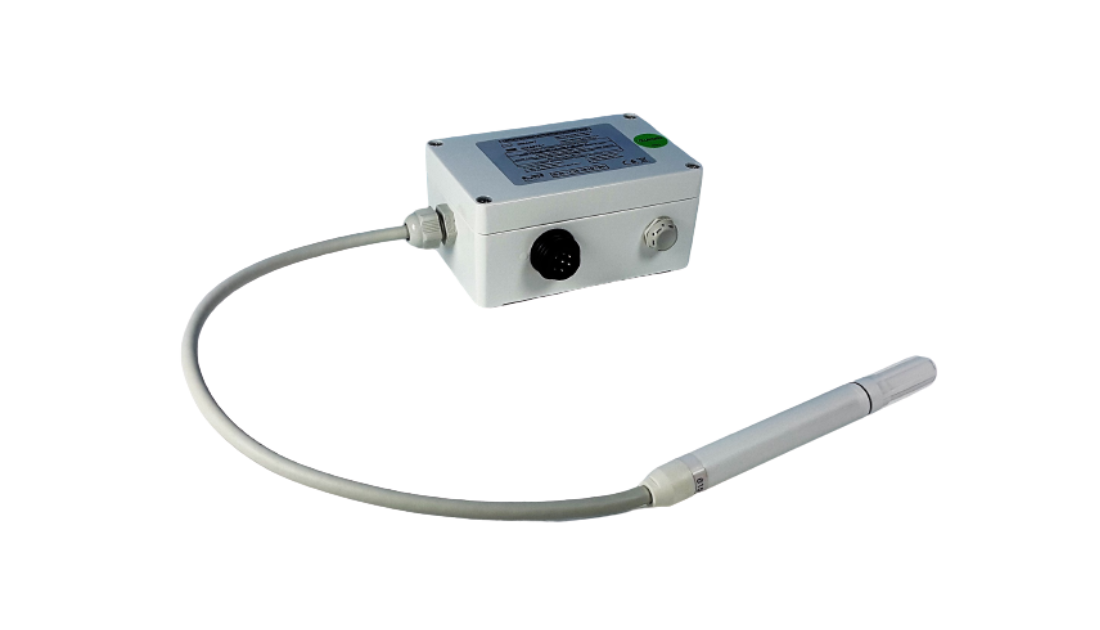
NO sensors
Nitrogen monoxide
Sensor for measuring Nitrogen monoxide in indoor applications.
DATA SHEETS
Description
Description
Nitrogen monoxide
Range of sensors for measuring gas concentration in indoor environments.
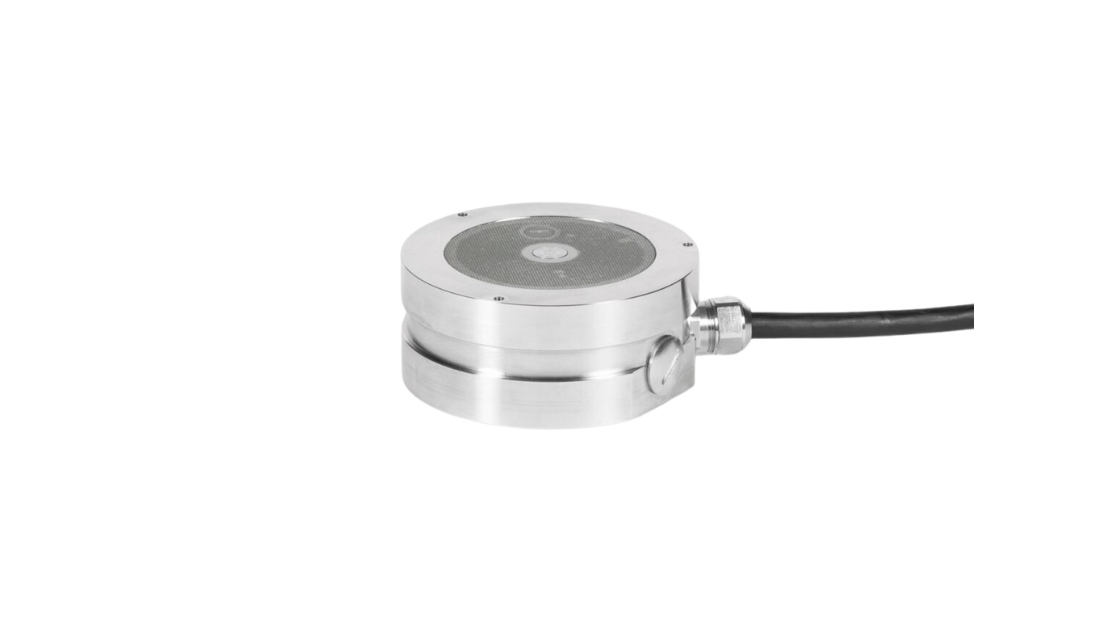
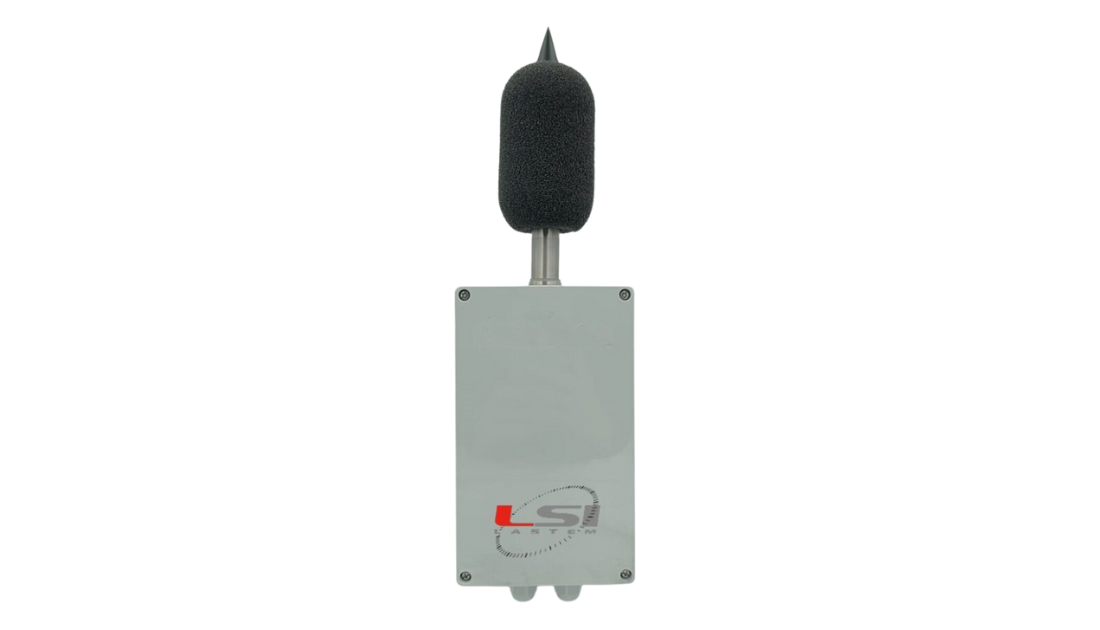
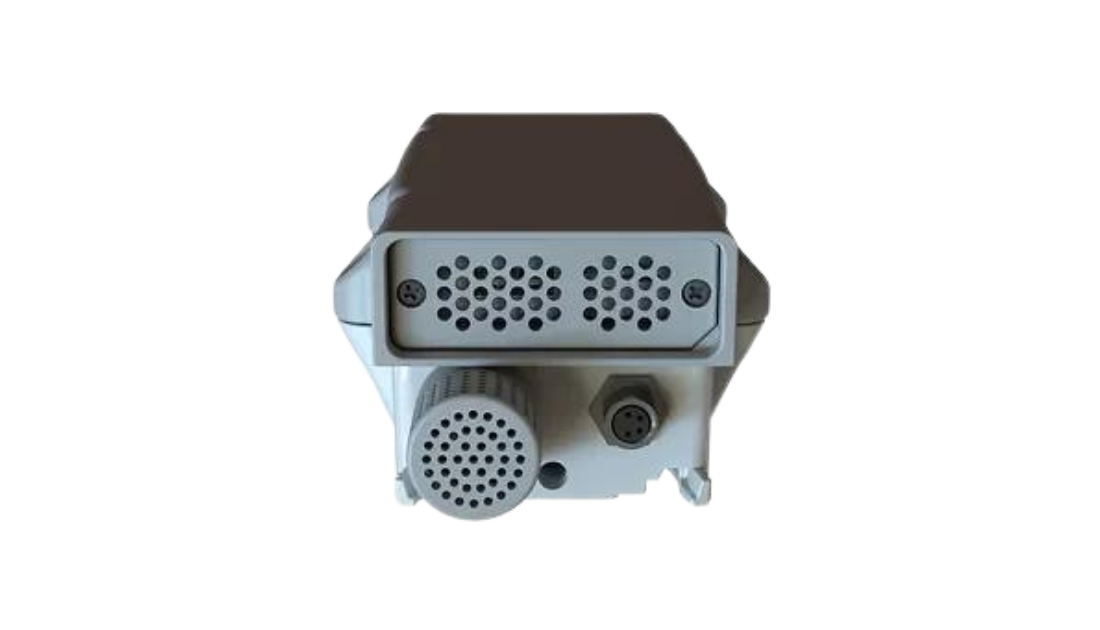
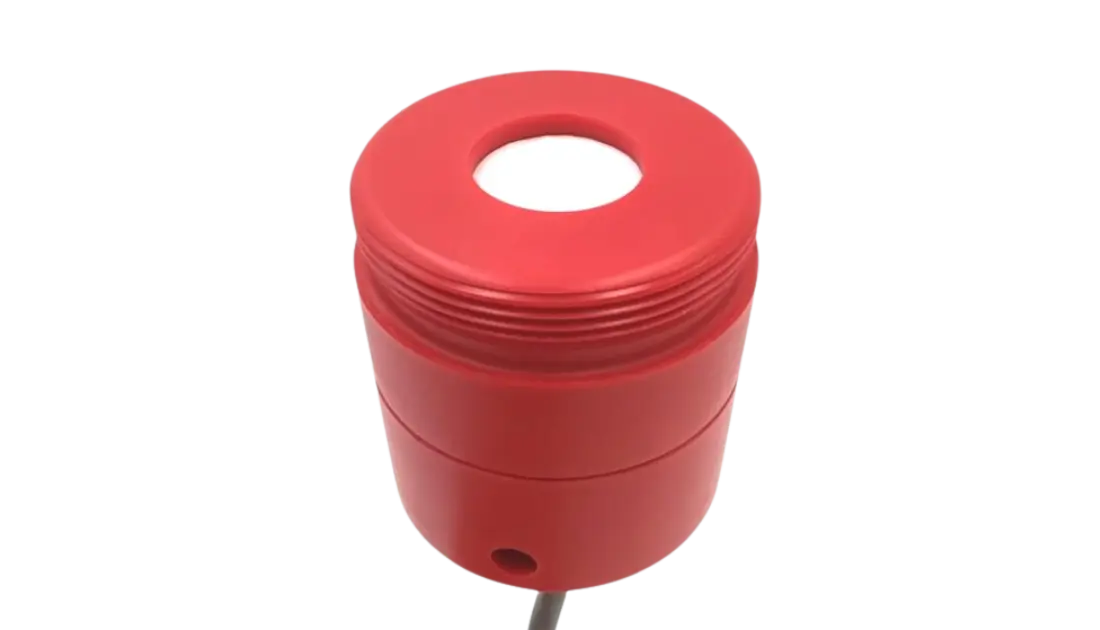
Range of sensors for measuring gas concentration in indoor environments. The line includes sensors (PRGSAx200 and ESOxxx) with cables and mini-DIN connectors for use with LSI LASTEM data loggers type M-Log (ELO009) and sensors with 4…20 mA output and RS485 Modbus (PRGSAx900 and DSOxxx) that can be used by third-party systems or LSI LASTEM data loggers with terminal block. The sensors are based on electrochemical cell, infrared (CO2) and PID (VOC) technology.
NO sensors
Highlights
- Wide range of sensors optimized for indoor air quality monitoring;
- Portable and stand-alone applications in indoor environments;
- Sensors with 4…20 mA output and RS485 Modbus and free-wire cable (PRGSAx900 and DSOxxx range). Sensors with mV output, cable and MiniDIN connector (range PRGSAx200 and ESOxxx range);
- Range: 0…300 ppm
- Operative temperature: -20..50 °C;
- Sensor life: 2 years.
- Model codes: PRGSAA200, PRGSAA900, PRGSAA900.1.
FAQ: Frequently Asked Questions
Why is nitric oxide (NO) monitoring important?
Nitric oxide (NO) is a gas belonging to the nitrogen oxides (NOx) family and is mainly produced by high-temperature combustion processes. Monitoring NO helps detect and characterise emissions associated with combustion, engines and industrial processes. NO is also relevant to air quality because it can be oxidised in the atmosphere to form nitrogen dioxide (NO₂).
In which environments and applications is NO concentration monitoring useful?
NO measurement is useful in environments potentially affected by emissions from combustion processes, traffic, engines or industrial activities. Indoors, it can contribute to air quality assessment in technical areas, workplaces and other spaces potentially influenced by these sources. LSI LASTEM also identifies IEQ, waste-cycle applications and indoor monitoring among the applications for its NO sensor range.
How does the LSI LASTEM nitric oxide sensor work?
LSI LASTEM NO sensors use an electrochemical cell to measure nitric oxide concentration in air. The range covers 0–300 ppm, with a resolution of 0.5 ppm, declared repeatability of ±2% of reading and a T90 response time below 40 seconds. The indicative sensor life is approximately 2 years.
How can LSI LASTEM NO sensors be integrated into a monitoring system?
LSI LASTEM NO sensors can be used for both portable measurement surveys and fixed installations. Models are available with mV output and MiniDIN connectors for LSI LASTEM data loggers, as well as versions with 4–20 mA and RS485 Modbus that can also be integrated into third-party acquisition systems. NO can also be monitored alongside NO₂ and other gases to provide a more comprehensive multiparameter assessment of air quality.
Additional information
Additional information
| Grandezze | |
|---|---|
| Applications | IEQ and environmental comfort, Museums and archaeological sites, Stress and thermal comfort and related quantities portable, Waste cycle |
Product
PRGSAA200-PRGSAA900-PRGSAA900.1
Categories Gas, Indoor sensors, Sensors
Nitrogen monoxide
Range of sensors for measuring gas concentration in indoor environments.
Range of sensors for measuring gas concentration in indoor environments. The line includes sensors (PRGSAx200 and ESOxxx) with cables and mini-DIN connectors for use with LSI LASTEM data loggers type M-Log (ELO009) and sensors with 4…20 mA output and RS485 Modbus (PRGSAx900 and DSOxxx) that can be used by third-party systems or LSI LASTEM data loggers with terminal block. The sensors are based on electrochemical cell, infrared (CO2) and PID (VOC) technology.
NO sensors
Highlights
- Wide range of sensors optimized for indoor air quality monitoring;
- Portable and stand-alone applications in indoor environments;
- Sensors with 4…20 mA output and RS485 Modbus and free-wire cable (PRGSAx900 and DSOxxx range). Sensors with mV output, cable and MiniDIN connector (range PRGSAx200 and ESOxxx range);
- Range: 0…300 ppm
- Operative temperature: -20..50 °C;
- Sensor life: 2 years.
- Model codes: PRGSAA200, PRGSAA900, PRGSAA900.1.
FAQ: Frequently Asked Questions
Why is nitric oxide (NO) monitoring important?
Nitric oxide (NO) is a gas belonging to the nitrogen oxides (NOx) family and is mainly produced by high-temperature combustion processes. Monitoring NO helps detect and characterise emissions associated with combustion, engines and industrial processes. NO is also relevant to air quality because it can be oxidised in the atmosphere to form nitrogen dioxide (NO₂).
In which environments and applications is NO concentration monitoring useful?
NO measurement is useful in environments potentially affected by emissions from combustion processes, traffic, engines or industrial activities. Indoors, it can contribute to air quality assessment in technical areas, workplaces and other spaces potentially influenced by these sources. LSI LASTEM also identifies IEQ, waste-cycle applications and indoor monitoring among the applications for its NO sensor range.
How does the LSI LASTEM nitric oxide sensor work?
LSI LASTEM NO sensors use an electrochemical cell to measure nitric oxide concentration in air. The range covers 0–300 ppm, with a resolution of 0.5 ppm, declared repeatability of ±2% of reading and a T90 response time below 40 seconds. The indicative sensor life is approximately 2 years.
How can LSI LASTEM NO sensors be integrated into a monitoring system?
LSI LASTEM NO sensors can be used for both portable measurement surveys and fixed installations. Models are available with mV output and MiniDIN connectors for LSI LASTEM data loggers, as well as versions with 4–20 mA and RS485 Modbus that can also be integrated into third-party acquisition systems. NO can also be monitored alongside NO₂ and other gases to provide a more comprehensive multiparameter assessment of air quality.