Wet Bulb Temperature
Wet bulb natural ventilated temperature sensor.
DATA SHEETS
Description
Description
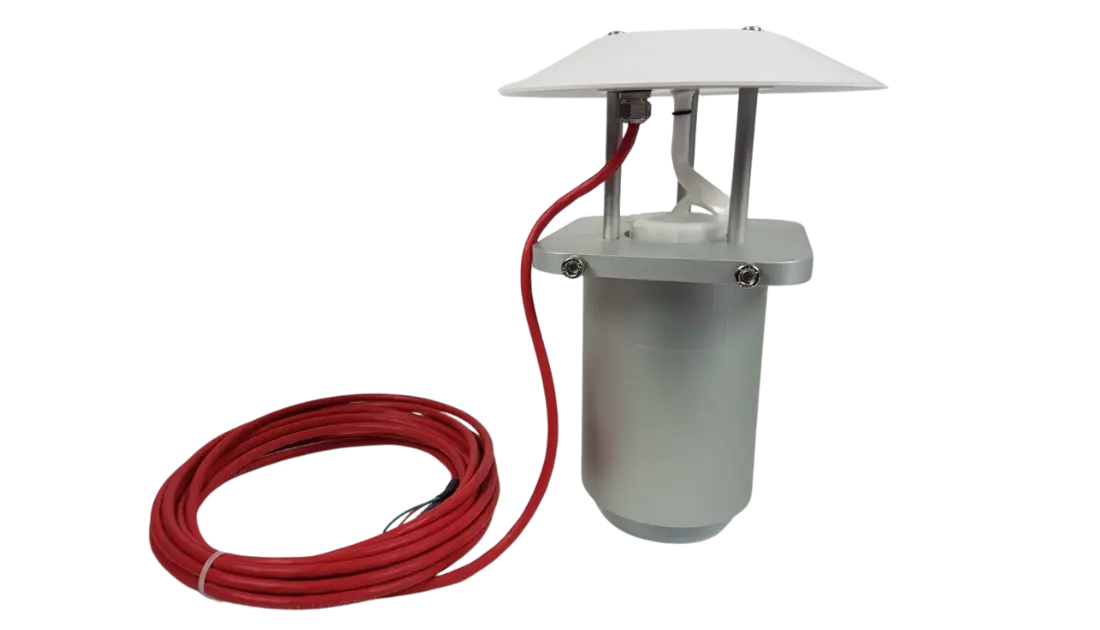
Naturally ventilated wet bulb temperature sensor
Thermometer probe with wet bulb and natural ventilation ISO7726 standard. The Pt100 element is closed inside a wet cotton sock from a water tank. The water tank has a high reflection factor to avoid water temperature increase due to radiant sources. This sensor is needed for WBGT (ISO77243) heat stress index assessment.
Both the ISO17025 certification issued by our LAT205 accredited laboratory and the ISO9001:2015 certification or the calibration Test Report alone are available.
Wet Bulb Temperature
Highlights
- Wet bulb temperature measurement with natural ventilation as required for the calculation of the WBGT index (ISO 7243) in fixed and/or outdoor installation;
- Manufactured in accordance with the requirements of ISO 7726 for wet-bulb sensors;
- Large tank for a runtime of over 30 days;
- Shielded from radiation;
- In house ISO17025 accreditate calibration laboratory;
- Model codes: DMA122, DMA122.1.
FAQ: Frequently Asked Questions
What is a natural wet-bulb temperature sensor used for?
The sensor directly measures natural wet-bulb temperature (Tnw), a parameter that reflects the combined effects of temperature, humidity, and ventilation on evaporative cooling. Tnw is one of the key variables used to calculate the WBGT index and assess heat stress in both indoor and outdoor environments.
Why is it preferable to measure natural wet-bulb temperature directly rather than estimate it?
Because indirect estimation of Tnw requires several environmental measurements and may combine the uncertainties of multiple sensors, especially under low-airflow conditions. In the WBGT calculation, Tnw also has a significant weighting, so an inaccurate estimate can introduce a substantial error in the final result. Direct measurement is therefore the more specific and reliable method.
How long does the reservoir of the LSI LASTEM wet-bulb temperature sensor last?
The 1-litre reservoir provides more than 30 days of operating autonomy, reducing the frequency of refilling with distilled water. The sensor is designed for fixed outdoor installations and long-term measurements, even in harsh climates; the reservoir is also shielded and highly reflective to limit heating caused by solar radiation.
Which features make the LSI LASTEM wet-bulb temperature sensor reliable?
The sensor uses a Pt100 element wrapped in an absorbent wick kept wet with distilled water, following the configuration required for Tnw measurement. It is designed in accordance with ISO 7726 requirements and is suitable for WBGT calculation according to ISO 7243. Calibration certificates issued by the internal LSI LASTEM ISO/IEC 17025 accredited laboratory are also available.
Additional information
Additional information
| Grandezze | |
|---|---|
| Applications | Agro-meteorology, Fixed indoor and outdoor thermal stress and comfort, Meteo observations |
Product
N/A
Categories Meteo sensors, Sensors, Temperature
Naturally ventilated wet bulb temperature sensor
Thermometer probe with wet bulb and natural ventilation ISO7726 standard. The Pt100 element is closed inside a wet cotton sock from a water tank. The water tank has a high reflection factor to avoid water temperature increase due to radiant sources. This sensor is needed for WBGT (ISO77243) heat stress index assessment.
Both the ISO17025 certification issued by our LAT205 accredited laboratory and the ISO9001:2015 certification or the calibration Test Report alone are available.
Wet Bulb Temperature
Highlights
- Wet bulb temperature measurement with natural ventilation as required for the calculation of the WBGT index (ISO 7243) in fixed and/or outdoor installation;
- Manufactured in accordance with the requirements of ISO 7726 for wet-bulb sensors;
- Large tank for a runtime of over 30 days;
- Shielded from radiation;
- In house ISO17025 accreditate calibration laboratory;
- Model codes: DMA122, DMA122.1.
FAQ: Frequently Asked Questions
What is a natural wet-bulb temperature sensor used for?
The sensor directly measures natural wet-bulb temperature (Tnw), a parameter that reflects the combined effects of temperature, humidity, and ventilation on evaporative cooling. Tnw is one of the key variables used to calculate the WBGT index and assess heat stress in both indoor and outdoor environments.
Why is it preferable to measure natural wet-bulb temperature directly rather than estimate it?
Because indirect estimation of Tnw requires several environmental measurements and may combine the uncertainties of multiple sensors, especially under low-airflow conditions. In the WBGT calculation, Tnw also has a significant weighting, so an inaccurate estimate can introduce a substantial error in the final result. Direct measurement is therefore the more specific and reliable method.
How long does the reservoir of the LSI LASTEM wet-bulb temperature sensor last?
The 1-litre reservoir provides more than 30 days of operating autonomy, reducing the frequency of refilling with distilled water. The sensor is designed for fixed outdoor installations and long-term measurements, even in harsh climates; the reservoir is also shielded and highly reflective to limit heating caused by solar radiation.
Which features make the LSI LASTEM wet-bulb temperature sensor reliable?
The sensor uses a Pt100 element wrapped in an absorbent wick kept wet with distilled water, following the configuration required for Tnw measurement. It is designed in accordance with ISO 7726 requirements and is suitable for WBGT calculation according to ISO 7243. Calibration certificates issued by the internal LSI LASTEM ISO/IEC 17025 accredited laboratory are also available.