Submersible sensors for the water level
Piezoelectric for continuous measurements
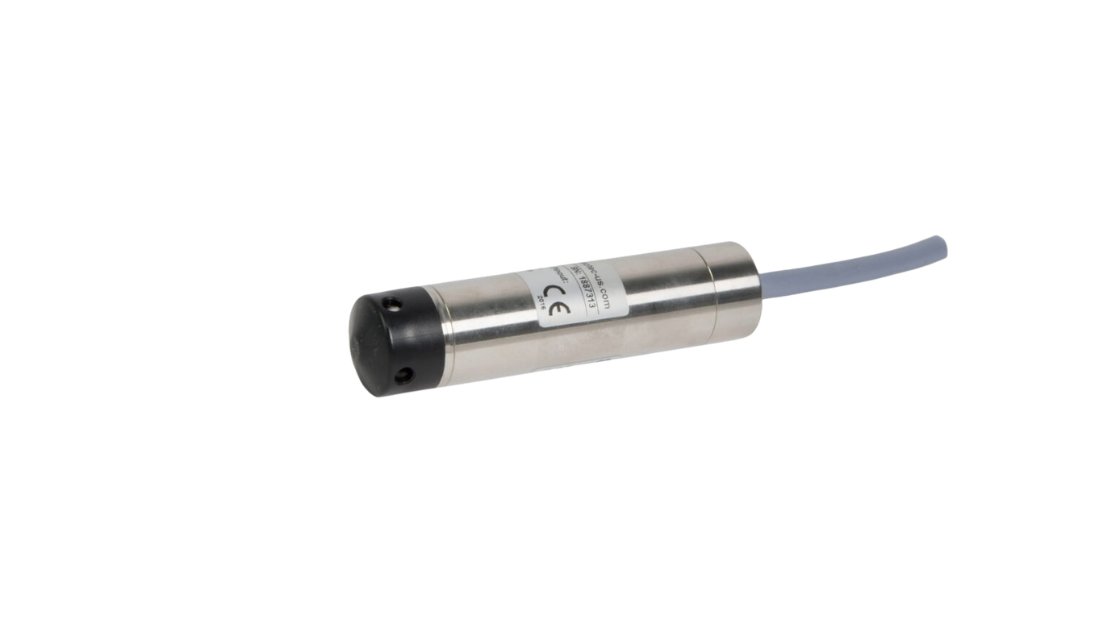
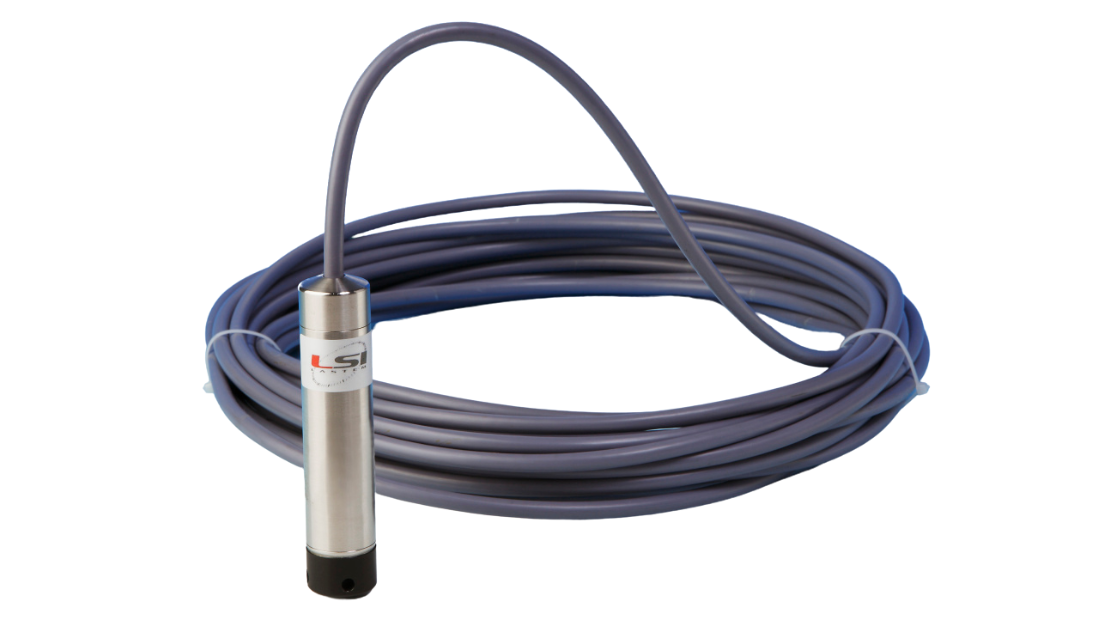
Piezometric submersible sensors for water level are designed for continuous level measurement in water applications.
The sensor has a stainless steel housing and a flush ceramic diaphragm which prevents from the build up of solids of time and makes it easy to clean.
The piezoelectric element detects the pressure difference between its location and the atmospheric pressure on the surface.
This pressure difference is proportional the water level above the sensor.
A special (ventilated) cable connects the sensor sensing element with the surface.
DATA SHEETS
Description
Description
Submersible sensors for the water level
Highlights
Different models with different lengths of submersible ventilated cable for pressure compensation;
- Analogue output: 4 ÷ 20 mA;
- Wide thermal compensation up to 70 ° C;
- Model codes: DQC001.15, DQC001.30, DQC001.50, DQC001.80.
FAQ: Frequently Asked Questions
What is a submersible water-level sensor used for?
A submersible level sensor continuously monitors changes in water level in wells, piezometers, tanks, reservoirs and other hydrological applications. It can also be used in landfills and environmental facilities to monitor liquid levels in monitoring wells, sumps or tanks. It is particularly useful when continuous time series are required to track water-level variations over time.
How does a submersible piezometric sensor measure water level?
The LSI LASTEM sensor is immersed in water and measures the difference between the pressure at the installation depth and atmospheric pressure at the surface. This differential pressure is proportional to the height of the water column above the sensor and is converted into the corresponding water level. A vented cable connects the internal sensor reference to the atmosphere, compensating for variations in barometric pressure.
In which hydrological applications are submersible water-level sensors used?
Submersible sensors are used for groundwater monitoring in wells and piezometers, for tracking level changes in basins, tanks and reservoirs and, where installation conditions are suitable, for surface-water monitoring. Continuous measurements help analyse groundwater response to rainfall, seasonal fluctuations, pumping effects and other hydrological processes. They are also used for environmental monitoring, landfills and water management and treatment facilities.
Which features make LSI LASTEM submersible sensors suitable for continuous monitoring?
LSI LASTEM sensors feature a stainless-steel housing and a flush ceramic diaphragm designed to reduce material build-up and simplify cleaning. Different vented submersible cable lengths are available, together with thermal compensation up to 70 °C and a 4–20 mA output for integration with data loggers and acquisition systems. These features make them suitable for permanent installations in wells, piezometers, tanks and environmental monitoring systems.
Additional information
Additional information
| Applications | |
|---|---|
| Grandezze |
Product
DQC001.15-DQC001.30-DQC001.50-DQC001.80
Categories Sensors, Submersible sensors for the water level, Water sensors
Submersible sensors for the water level
Highlights
Different models with different lengths of submersible ventilated cable for pressure compensation;
- Analogue output: 4 ÷ 20 mA;
- Wide thermal compensation up to 70 ° C;
- Model codes: DQC001.15, DQC001.30, DQC001.50, DQC001.80.
FAQ: Frequently Asked Questions
What is a submersible water-level sensor used for?
A submersible level sensor continuously monitors changes in water level in wells, piezometers, tanks, reservoirs and other hydrological applications. It can also be used in landfills and environmental facilities to monitor liquid levels in monitoring wells, sumps or tanks. It is particularly useful when continuous time series are required to track water-level variations over time.
How does a submersible piezometric sensor measure water level?
The LSI LASTEM sensor is immersed in water and measures the difference between the pressure at the installation depth and atmospheric pressure at the surface. This differential pressure is proportional to the height of the water column above the sensor and is converted into the corresponding water level. A vented cable connects the internal sensor reference to the atmosphere, compensating for variations in barometric pressure.
In which hydrological applications are submersible water-level sensors used?
Submersible sensors are used for groundwater monitoring in wells and piezometers, for tracking level changes in basins, tanks and reservoirs and, where installation conditions are suitable, for surface-water monitoring. Continuous measurements help analyse groundwater response to rainfall, seasonal fluctuations, pumping effects and other hydrological processes. They are also used for environmental monitoring, landfills and water management and treatment facilities.
Which features make LSI LASTEM submersible sensors suitable for continuous monitoring?
LSI LASTEM sensors feature a stainless-steel housing and a flush ceramic diaphragm designed to reduce material build-up and simplify cleaning. Different vented submersible cable lengths are available, together with thermal compensation up to 70 °C and a 4–20 mA output for integration with data loggers and acquisition systems. These features make them suitable for permanent installations in wells, piezometers, tanks and environmental monitoring systems.