Acidity and basicity in liquids
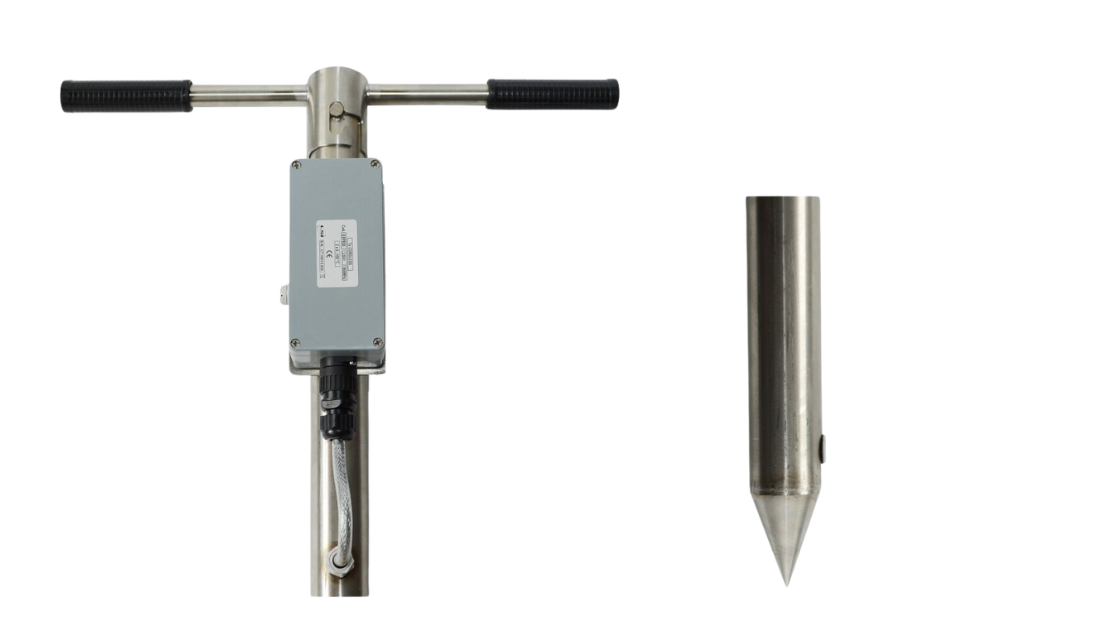
Instrument designed for measuring the pH of leachate
Acidity and basicity PH measurement system in liquids with a high fraction of suspended solids such as leachate.
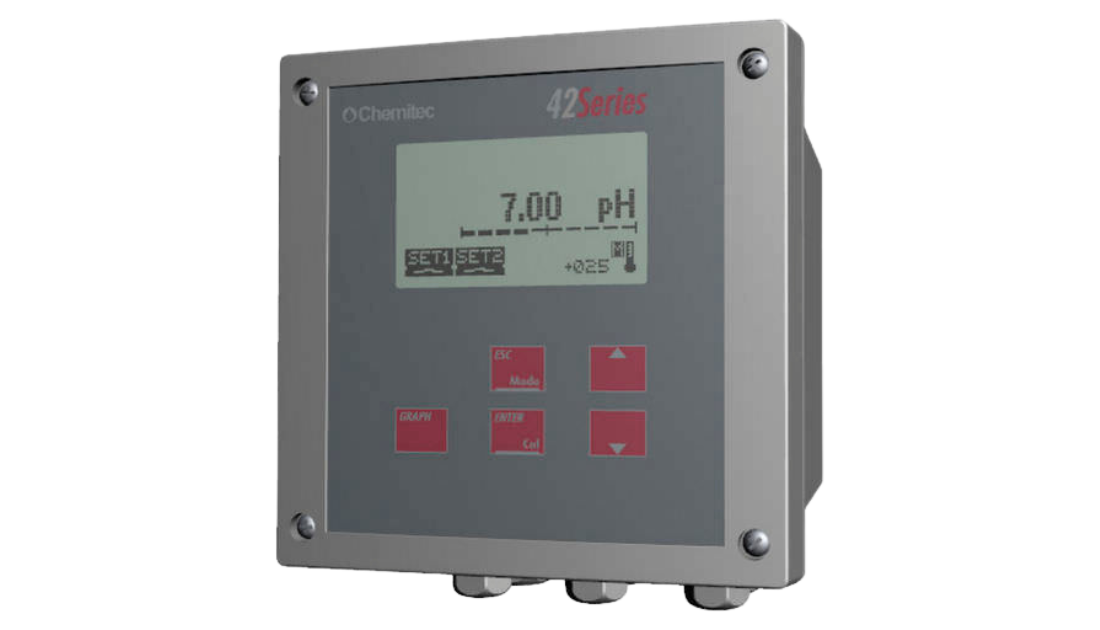
The control unit has a programmable 4 ÷ 20 mA output with free wires, is equipped with a keyboard for programming and calibrating the probe.
The acquired data can be viewed on the display.
DATA SHEETS
Description
Description
Instrument designed for measuring the pH of leachate
Thanks to the intuitive programming menu it is very easy to start and control the dosing system.
RS485 serial port for remote set up and acquisition in real time or to download recorded data on a PC or laptop, through the MODBUS RTU communication protocol.
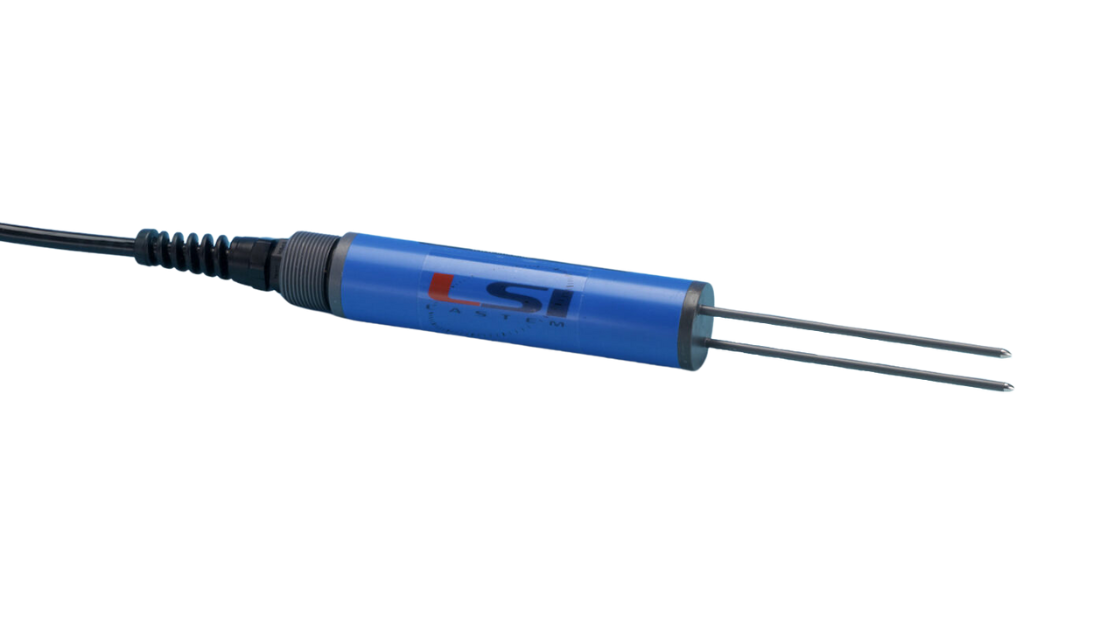
The probe can be used for measurement thanks to the immersion sensor holder.
Acidity and basicity in materials
Highlights
- Possibility of sensor calibration by inserting the probe in a sample solution;
- 2 RS485 Serial Ports;
- 2 Programmable Analog Outputs for measurement;
- 2 Relay outputs for intervention thresholds;
- 1 Relay Output for Instrument Anomaly Alarm;
- Model code: DQA431.
FAQ: Frequently Asked Questions
Why is leachate pH monitoring important in landfills and waste treatment facilities?
pH indicates the acidity or basicity of leachate and is an important parameter for tracking its characteristics and variations over time. Monitoring pH helps control liquid conditions during different collection and treatment stages and can support process management in waste treatment facilities.
Can the LSI LASTEM system measure pH in liquids with suspended solids such as leachate?
Yes. The DQA431 system is specifically designed for pH measurement in liquids with a high fraction of suspended solids, such as leachate. The probe can be installed directly in the liquid using a dedicated immersion sensor holder, making the system suitable for typical waste-management applications.
Can the LSI LASTEM pH measurement system be used for automatic process control?
Yes. The DQA431 features two programmable analogue outputs, two relay outputs for intervention thresholds and one relay output for instrument anomaly alarms. These features allow pH measurements to be used not only for monitoring but also as an input for dosing control or other processes requiring an action when predefined thresholds are reached.
How are pH data managed, calibrated and transmitted with the DQA431 system?
The control unit displays acquired data directly and allows sensor calibration using a reference solution. RS485 serial ports with Modbus RTU protocol also enable remote configuration, real-time data acquisition and connection to supervision and acquisition systems. This allows pH measurement to be integrated into a wider facility monitoring system.
Additional information
Additional information
| Applications | |
|---|---|
| Grandezze |
Product
DQA431
Categories Acidity and basicity in materials, Sensors, Sensors for materials
Instrument designed for measuring the pH of leachate
Thanks to the intuitive programming menu it is very easy to start and control the dosing system.
RS485 serial port for remote set up and acquisition in real time or to download recorded data on a PC or laptop, through the MODBUS RTU communication protocol.
The probe can be used for measurement thanks to the immersion sensor holder.
Acidity and basicity in materials
Highlights
- Possibility of sensor calibration by inserting the probe in a sample solution;
- 2 RS485 Serial Ports;
- 2 Programmable Analog Outputs for measurement;
- 2 Relay outputs for intervention thresholds;
- 1 Relay Output for Instrument Anomaly Alarm;
- Model code: DQA431.
FAQ: Frequently Asked Questions
Why is leachate pH monitoring important in landfills and waste treatment facilities?
pH indicates the acidity or basicity of leachate and is an important parameter for tracking its characteristics and variations over time. Monitoring pH helps control liquid conditions during different collection and treatment stages and can support process management in waste treatment facilities.
Can the LSI LASTEM system measure pH in liquids with suspended solids such as leachate?
Yes. The DQA431 system is specifically designed for pH measurement in liquids with a high fraction of suspended solids, such as leachate. The probe can be installed directly in the liquid using a dedicated immersion sensor holder, making the system suitable for typical waste-management applications.
Can the LSI LASTEM pH measurement system be used for automatic process control?
Yes. The DQA431 features two programmable analogue outputs, two relay outputs for intervention thresholds and one relay output for instrument anomaly alarms. These features allow pH measurements to be used not only for monitoring but also as an input for dosing control or other processes requiring an action when predefined thresholds are reached.
How are pH data managed, calibrated and transmitted with the DQA431 system?
The control unit displays acquired data directly and allows sensor calibration using a reference solution. RS485 serial ports with Modbus RTU protocol also enable remote configuration, real-time data acquisition and connection to supervision and acquisition systems. This allows pH measurement to be integrated into a wider facility monitoring system.