Heat flow meter
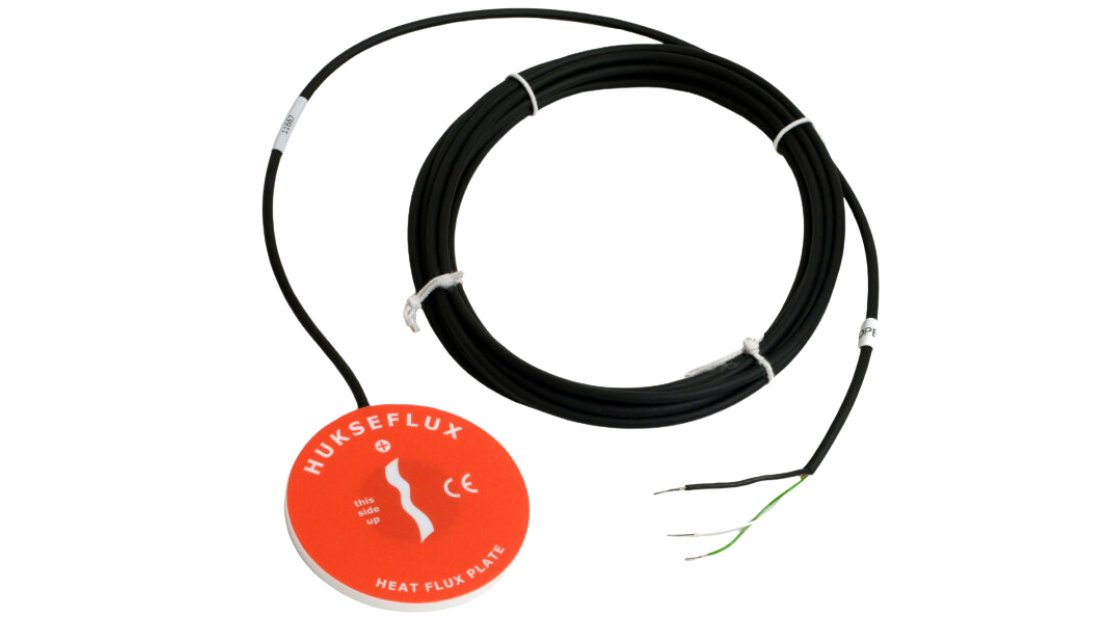
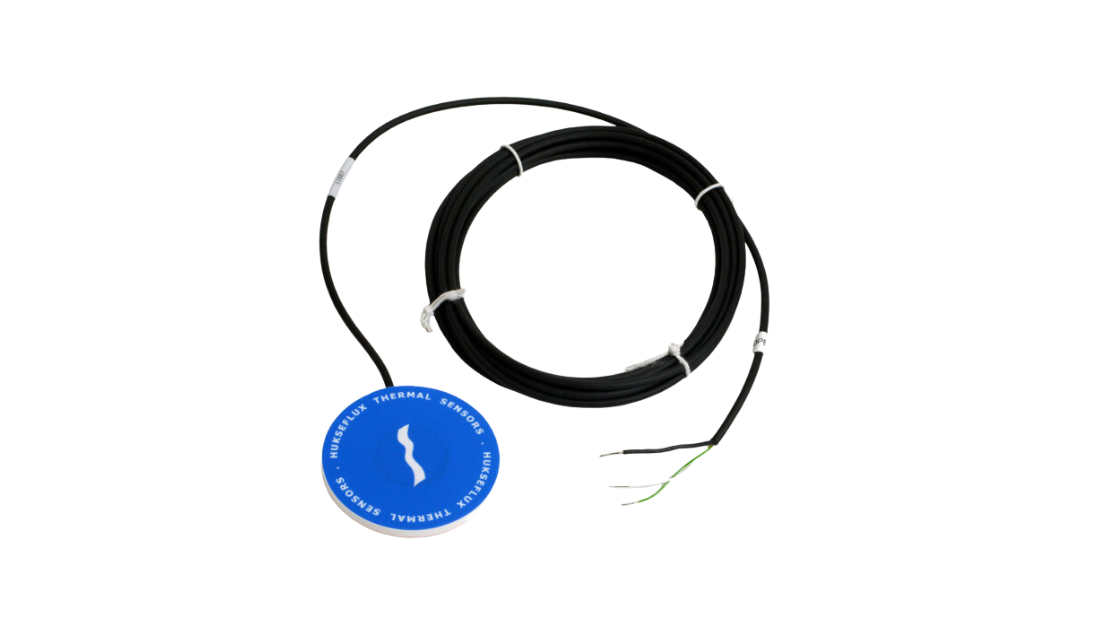
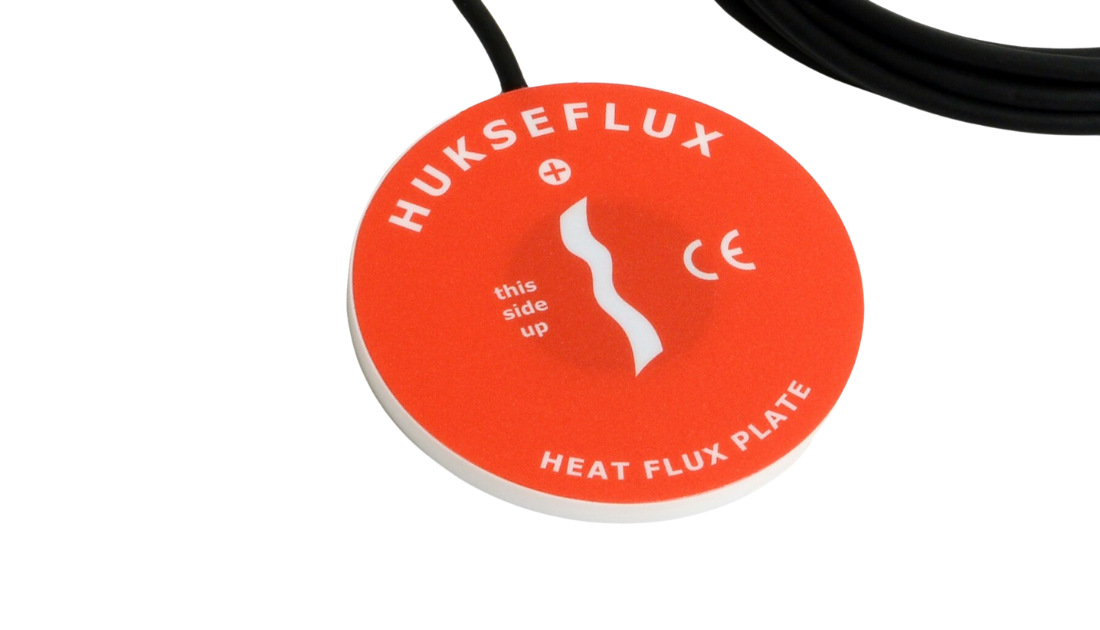
Sensor for measuring the thermal flow of the walls or the ground.
DATA SHEETS
Description
Description
Sensor for measuring the thermal flow of the walls or the ground
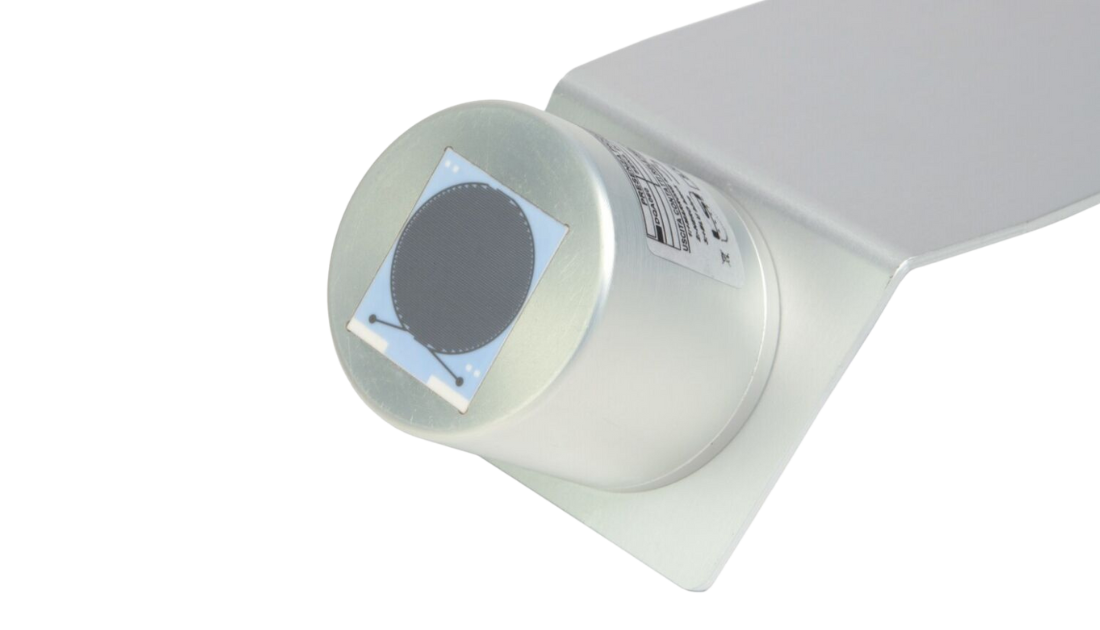
Sensor for Heat Flow Measurement in the soil as well as through walls and building envelopes. It measures the heat that flows through the sensor and its surrounding environment. Heat may be exchanged through conduction with the solid, or by radiation and convection. Sensor sensitivity is reported in the calibration certificate.
Heat flow meter
Highlights
- Used for heat flux measurement in the soil as well as through walls and building envelopes;
- LSI LASTEM supplies a turn-key system to calculate the “U Factor“ of the walls using heat flux and surface temperature sensors, data logger and software as described by the ISO 9869:1994 standard;
- Model codes: ESR240A.1, ESR240A.2, ESR240, DPE240, DPE250.
FAQ: Frequently Asked Questions
What is a heat flow meter used for in building energy assessment?
A heat flow meter measures the heat flux passing through a wall or another building-envelope component, expressed as thermal power per unit area. This measurement is essential for assessing the actual thermal behaviour of walls, roofs and other building elements in situ and can be used to evaluate heat losses, insulation performance and building energy efficiency.
How is the U-value of a wall measured with a heat flow meter?
Thermal transmittance, or U-value, describes the amount of heat passing through a building element in relation to the temperature difference between the indoor and outdoor environments. In situ, it is determined by measuring heat flux through the wall and relating it to the temperatures on both sides of the element. LSI LASTEM provides a complete system combining a heat flow meter, surface temperature sensors, data logger and software for U-value determination according to the heat flow meter method described in ISO 9869-1:2014.
What is the difference between U-value and thermal resistance R?
Thermal resistance R describes the ability of a building element to resist heat transfer, whereas thermal transmittance U describes how much heat passes through the complete element between two environments. In general, higher thermal resistance corresponds to better insulation performance and a lower U-value. ISO 9869-1:2014 describes the in-situ heat flow meter method for determining both thermal resistance and thermal transmittance of building elements.
Why measure U-value in situ instead of relying only on design values?
The actual performance of an existing wall may differ from its theoretical design value because of the materials used, installation quality, ageing, moisture, unknown layer composition or later modifications. In-situ heat-flow measurement therefore makes it possible to assess the real thermal performance of the building envelope under actual operating conditions. It is particularly useful for energy audits, refurbishment projects, historic buildings and structures where the exact wall composition is not known.
Additional information
Additional information
| Grandezze | |
|---|---|
| Applications | Energy testing of buildings, IEQ and environmental comfort, Museums and archaeological sites, Stress and thermal comfort and related quantities portable |
Product
ESR240A.1-ESR240A.2-ESR240-DPE240-DPE250
Categories Indoor sensors, Sensors, Thermal flow
Sensor for measuring the thermal flow of the walls or the ground
Sensor for Heat Flow Measurement in the soil as well as through walls and building envelopes. It measures the heat that flows through the sensor and its surrounding environment. Heat may be exchanged through conduction with the solid, or by radiation and convection. Sensor sensitivity is reported in the calibration certificate.
Heat flow meter
Highlights
- Used for heat flux measurement in the soil as well as through walls and building envelopes;
- LSI LASTEM supplies a turn-key system to calculate the “U Factor“ of the walls using heat flux and surface temperature sensors, data logger and software as described by the ISO 9869:1994 standard;
- Model codes: ESR240A.1, ESR240A.2, ESR240, DPE240, DPE250.
FAQ: Frequently Asked Questions
What is a heat flow meter used for in building energy assessment?
A heat flow meter measures the heat flux passing through a wall or another building-envelope component, expressed as thermal power per unit area. This measurement is essential for assessing the actual thermal behaviour of walls, roofs and other building elements in situ and can be used to evaluate heat losses, insulation performance and building energy efficiency.
How is the U-value of a wall measured with a heat flow meter?
Thermal transmittance, or U-value, describes the amount of heat passing through a building element in relation to the temperature difference between the indoor and outdoor environments. In situ, it is determined by measuring heat flux through the wall and relating it to the temperatures on both sides of the element. LSI LASTEM provides a complete system combining a heat flow meter, surface temperature sensors, data logger and software for U-value determination according to the heat flow meter method described in ISO 9869-1:2014.
What is the difference between U-value and thermal resistance R?
Thermal resistance R describes the ability of a building element to resist heat transfer, whereas thermal transmittance U describes how much heat passes through the complete element between two environments. In general, higher thermal resistance corresponds to better insulation performance and a lower U-value. ISO 9869-1:2014 describes the in-situ heat flow meter method for determining both thermal resistance and thermal transmittance of building elements.
Why measure U-value in situ instead of relying only on design values?
The actual performance of an existing wall may differ from its theoretical design value because of the materials used, installation quality, ageing, moisture, unknown layer composition or later modifications. In-situ heat-flow measurement therefore makes it possible to assess the real thermal performance of the building envelope under actual operating conditions. It is particularly useful for energy audits, refurbishment projects, historic buildings and structures where the exact wall composition is not known.