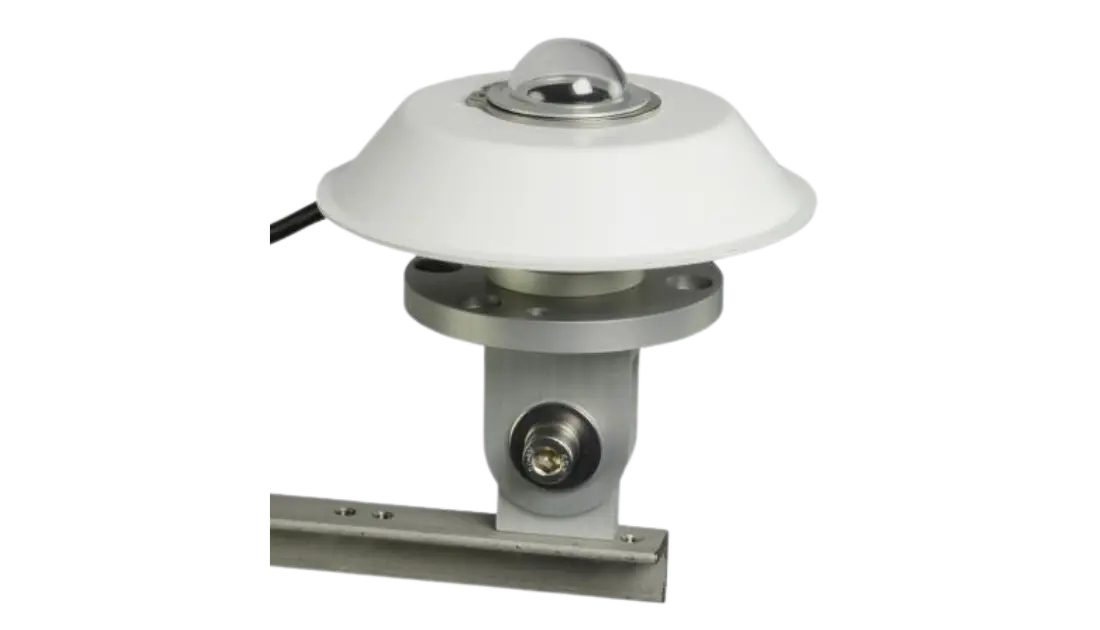
Particulate concentration
Optical technology for continuous measurements
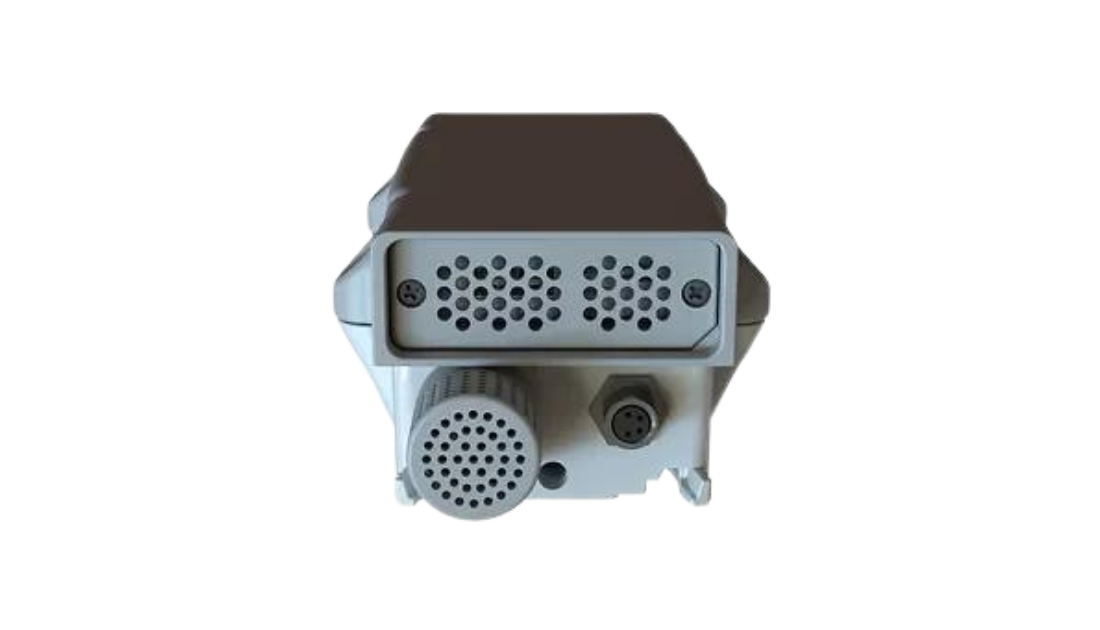
The fine dust sensors for particulate concentration are optical sensors for continuous measurement and control of fine dust contents.
Three particulate sizes are available: PM1, PM2.5 and PM10 simultaneously. The determination of particulate concentration is based on the light scatter measurement method. The flow enforcement takes place via the integrated fan (2 l/min). In the device there is a periodic control and correction of zero point and reference point which is enabled by the electrostatic precipitator with integrated high voltage module. A high zero-point stability is achieved by evaluation of the internal measuring signals.
DATA SHEETS
Description
Description
Particulate concentration sensor
Highlights
- Determinazione simultanea di PM1, PM2.5 e PM10
- Monitoraggio di polveri sottili in:
- Production area (workshops, factories, etc.);
- Indoor air quality monitoring in offices;
- Monitoring the ambient air;
- Integrazione nella stazione meteorologica;
- Wide operating ambient conditions: -20…60 °C, 0…99% RH;
- Sampling Rate: 5 min to 24 h;
- Output RS485 Modbus-RTU;
- Model code: PRPMA3100.
FAQ: Frequently Asked Questions
What is a particulate matter concentration sensor used for?
The sensor continuously measures the concentration of airborne particulate matter in outdoor environments. It can be used in weather stations, environmental monitoring networks, urban areas, industrial sites, construction sites, and locations close to road infrastructure to identify variations and potentially critical air-quality conditions.
Which particulate matter fractions does the LSI LASTEM sensor measure?
The sensor simultaneously measures PM1, PM2.5, and PM10, corresponding to particles with different aerodynamic diameters. Measuring all three fractions provides a more complete description of particulate matter and helps distinguish finer particles from coarser ones.
How does the LSI LASTEM particulate matter sensor work?
The sensor uses an optical measurement principle based on the scattering of light by particles passing through the measurement chamber. Air is drawn in at a controlled flow rate of 2 l/min. The instrument also performs periodic checks and corrections of the zero point and reference to improve measurement stability over time.
Which features make it suitable for continuous monitoring?
The sensor covers a range from 0 to 1,000 µg/m³, detects particles from 0.3 to 10 µm, and has a detection limit below 1 µg/m³. It is equipped with an RS485 Modbus-RTU output, IP65 protection, and an operating range from −20 to +60 °C and from 0 to 99% relative humidity. These characteristics make it suitable for integration with Alpha-Log and for continuous outdoor installations.
Additional information
Additional information
| Grandezze | |
|---|---|
| Applications | Air quality, Meteo observations, Museums and archaeological sites |
Product
PRPMA3100
Categories Meteo sensors, Particulate concentration, Sensors
Particulate concentration sensor
Highlights
- Determinazione simultanea di PM1, PM2.5 e PM10
- Monitoraggio di polveri sottili in:
- Production area (workshops, factories, etc.);
- Indoor air quality monitoring in offices;
- Monitoring the ambient air;
- Integrazione nella stazione meteorologica;
- Wide operating ambient conditions: -20…60 °C, 0…99% RH;
- Sampling Rate: 5 min to 24 h;
- Output RS485 Modbus-RTU;
- Model code: PRPMA3100.
FAQ: Frequently Asked Questions
What is a particulate matter concentration sensor used for?
The sensor continuously measures the concentration of airborne particulate matter in outdoor environments. It can be used in weather stations, environmental monitoring networks, urban areas, industrial sites, construction sites, and locations close to road infrastructure to identify variations and potentially critical air-quality conditions.
Which particulate matter fractions does the LSI LASTEM sensor measure?
The sensor simultaneously measures PM1, PM2.5, and PM10, corresponding to particles with different aerodynamic diameters. Measuring all three fractions provides a more complete description of particulate matter and helps distinguish finer particles from coarser ones.
How does the LSI LASTEM particulate matter sensor work?
The sensor uses an optical measurement principle based on the scattering of light by particles passing through the measurement chamber. Air is drawn in at a controlled flow rate of 2 l/min. The instrument also performs periodic checks and corrections of the zero point and reference to improve measurement stability over time.
Which features make it suitable for continuous monitoring?
The sensor covers a range from 0 to 1,000 µg/m³, detects particles from 0.3 to 10 µm, and has a detection limit below 1 µg/m³. It is equipped with an RS485 Modbus-RTU output, IP65 protection, and an operating range from −20 to +60 °C and from 0 to 99% relative humidity. These characteristics make it suitable for integration with Alpha-Log and for continuous outdoor installations.