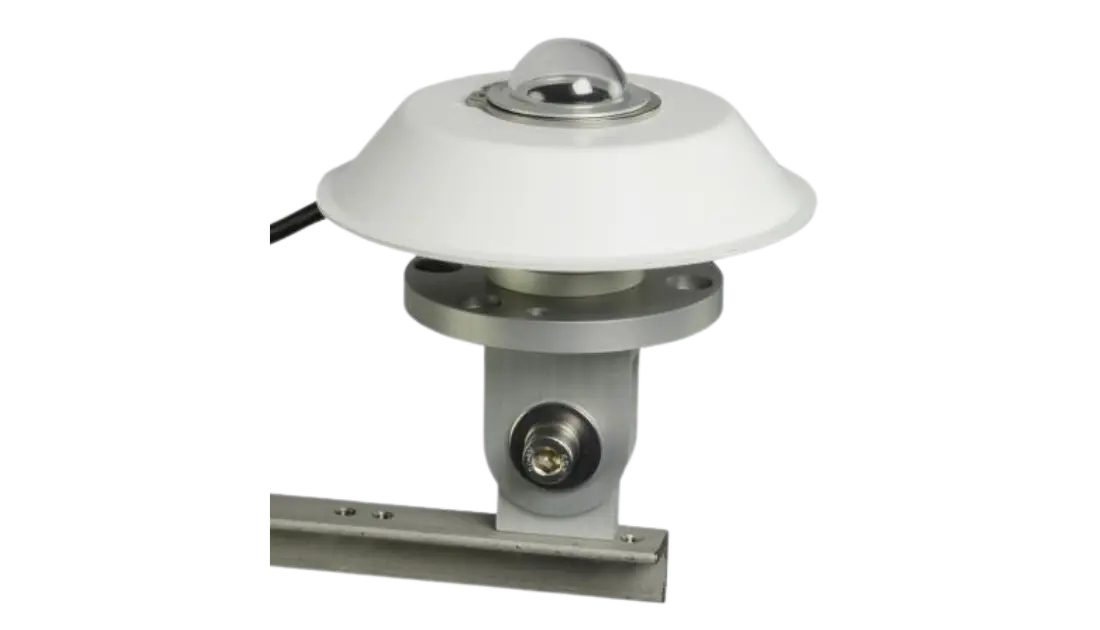
Surface freezing temperature of the asphalt
Sensor for a very accurate measurement of the freezing temperature
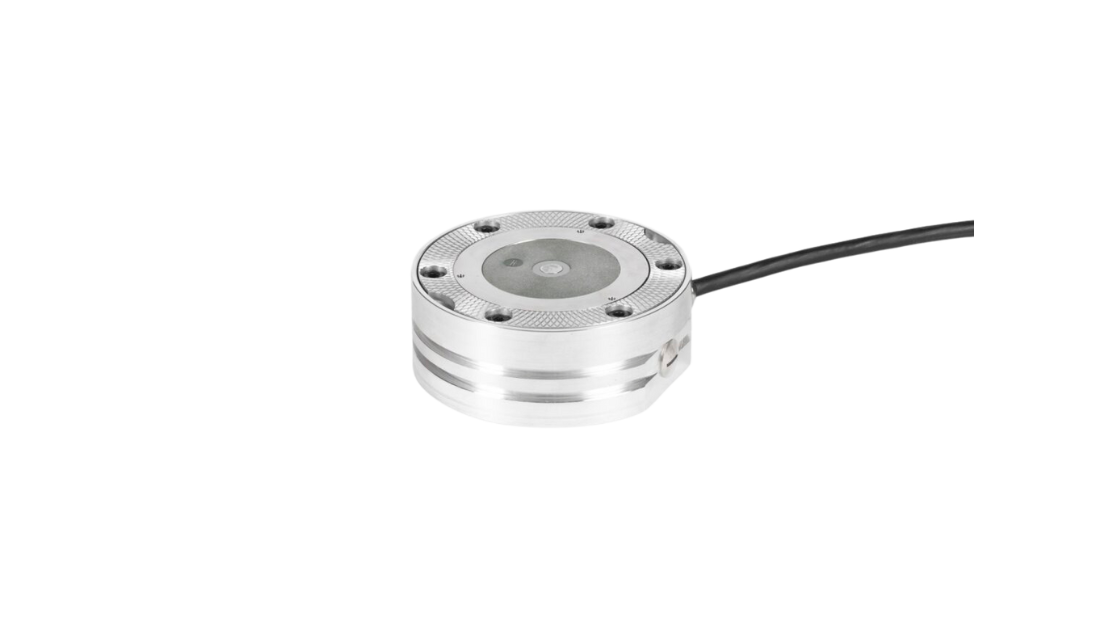
This sensor measures the freezing temperature asphalt and is an active sensor, which performs measurements by cooling a sensor cell (Peltier cell) to a temperature of 15 ° C lower than that of the road surface.
DATA SHEETS
Description
Description
Sensor for a very accurate measurement of the freezing temperature
This series brings a great advantage in airport applications, where the thawing agent is not allowed, it also ensures the accuracy of the measurement of the freezing temperature as required by the European standard EN15518.
Particularly suitable for installations on airport runways.
This sensor has RS485 output with an open protocol suitable for connection to LSI LASTEM and Boschung data loggers as well as third part integration systems.
This sensor is made by Boschung Mecatronic AG.
Surface freezing temperature of the asphalt
Highlights
- Active sensor (allows a very accurate estimate of the freezing);
- Active measurement obtained by measuring the freezing temperature of a mix of water and thawing agent stowed into the sensor (process independent of any type of thawing agent;
- Model code: DQA354.
FAQ: Frequently Asked Questions
Why is monitoring asphalt surface freezing temperature important on roads and at airports?
Freezing temperature helps identify the conditions under which water, moisture or contaminants on the pavement may turn into ice. This parameter is particularly important on roads, bridges, aprons and airport runways because it helps detect conditions favourable to ice formation and supports timely surface-treatment decisions.
How is freezing temperature monitoring used at airports?
At airports, monitoring runway conditions supports the timely assessment of wet, contaminated or potentially icy surfaces. The ICAO Global Reporting Format (GRF) provides a standardised framework for runway surface condition assessment through the Runway Condition Report, Runway Condition Code and Runway Condition Assessment Matrix. Freezing temperature measurements can therefore provide useful input within a broader pavement-condition monitoring and runway-management system.
What are the advantages of continuous freezing-temperature monitoring on roads?
Continuous monitoring makes it possible to track pavement conditions before, during and after critical weather events. The data can support anti-icing and snow-treatment planning, helping operators intervene more precisely than when relying on air temperature alone. The sensor family is designed for surfaces subject to snow and ice treatment and for operation under severe environmental conditions.
Why is a sensor installed directly in the asphalt useful for winter pavement management?
Surface measurement provides information on the actual asphalt conditions, which can differ significantly from air temperature. This makes the data more representative of the real risk of pavement freezing. When integrated into a continuous monitoring system, the sensor can support winter road and airport operations and help improve the timing of treatment, maintenance and safety decisions.
Additional information
Additional information
| Applications | |
|---|---|
| Grandezze |
Product
DQA354
Categories Asphalt status sensors, Freezing temperature, Sensors
Sensor for a very accurate measurement of the freezing temperature
This series brings a great advantage in airport applications, where the thawing agent is not allowed, it also ensures the accuracy of the measurement of the freezing temperature as required by the European standard EN15518.
Particularly suitable for installations on airport runways.
This sensor has RS485 output with an open protocol suitable for connection to LSI LASTEM and Boschung data loggers as well as third part integration systems.
This sensor is made by Boschung Mecatronic AG.
Surface freezing temperature of the asphalt
Highlights
- Active sensor (allows a very accurate estimate of the freezing);
- Active measurement obtained by measuring the freezing temperature of a mix of water and thawing agent stowed into the sensor (process independent of any type of thawing agent;
- Model code: DQA354.
FAQ: Frequently Asked Questions
Why is monitoring asphalt surface freezing temperature important on roads and at airports?
Freezing temperature helps identify the conditions under which water, moisture or contaminants on the pavement may turn into ice. This parameter is particularly important on roads, bridges, aprons and airport runways because it helps detect conditions favourable to ice formation and supports timely surface-treatment decisions.
How is freezing temperature monitoring used at airports?
At airports, monitoring runway conditions supports the timely assessment of wet, contaminated or potentially icy surfaces. The ICAO Global Reporting Format (GRF) provides a standardised framework for runway surface condition assessment through the Runway Condition Report, Runway Condition Code and Runway Condition Assessment Matrix. Freezing temperature measurements can therefore provide useful input within a broader pavement-condition monitoring and runway-management system.
What are the advantages of continuous freezing-temperature monitoring on roads?
Continuous monitoring makes it possible to track pavement conditions before, during and after critical weather events. The data can support anti-icing and snow-treatment planning, helping operators intervene more precisely than when relying on air temperature alone. The sensor family is designed for surfaces subject to snow and ice treatment and for operation under severe environmental conditions.
Why is a sensor installed directly in the asphalt useful for winter pavement management?
Surface measurement provides information on the actual asphalt conditions, which can differ significantly from air temperature. This makes the data more representative of the real risk of pavement freezing. When integrated into a continuous monitoring system, the sensor can support winter road and airport operations and help improve the timing of treatment, maintenance and safety decisions.