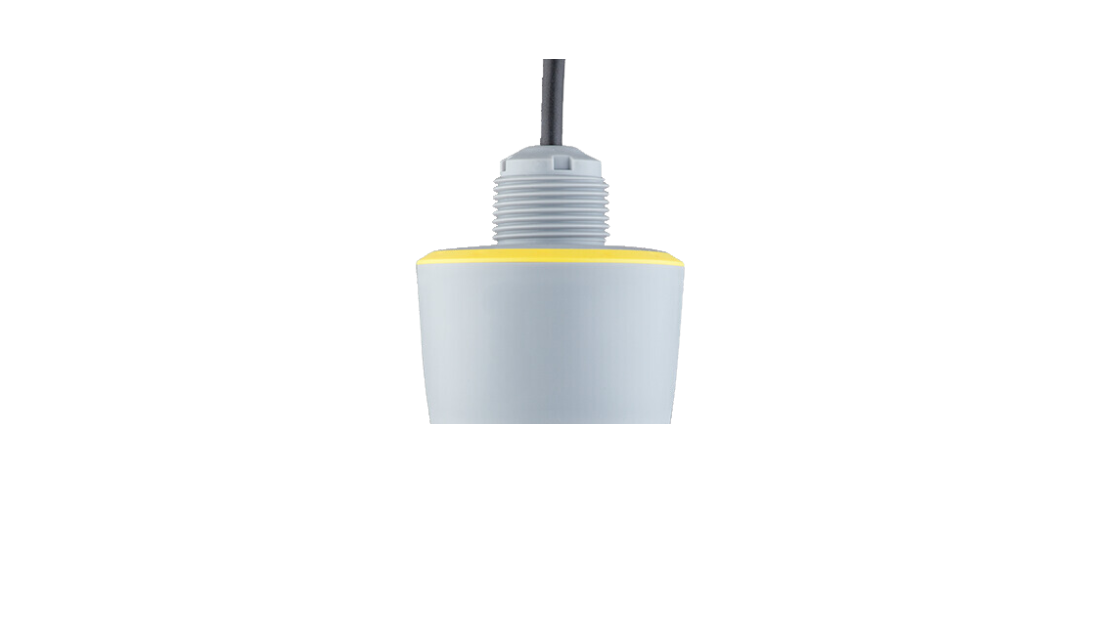
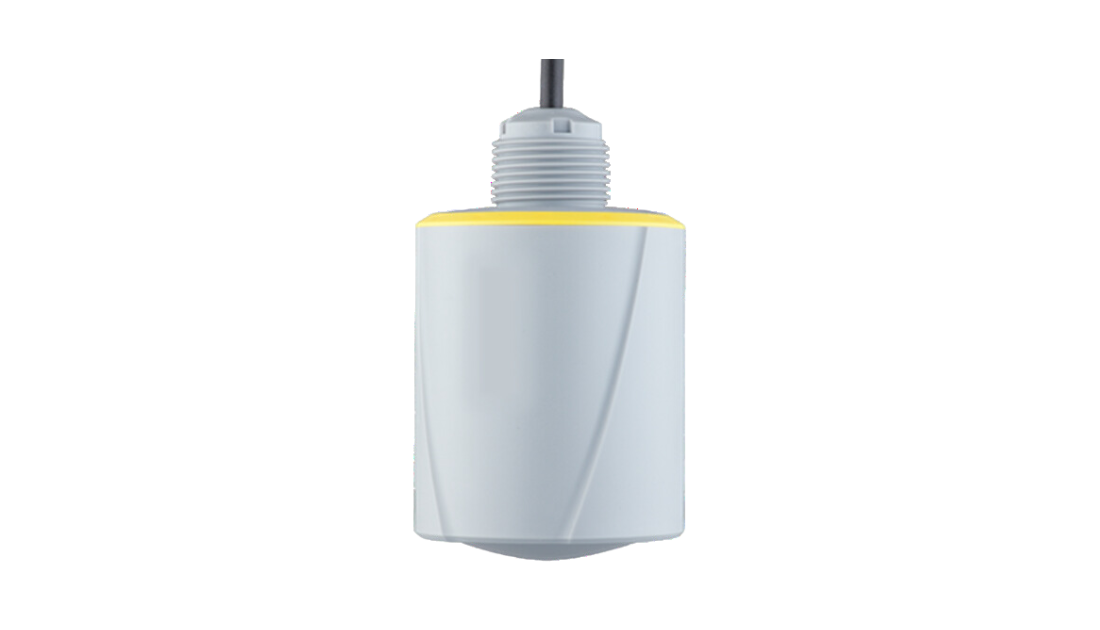
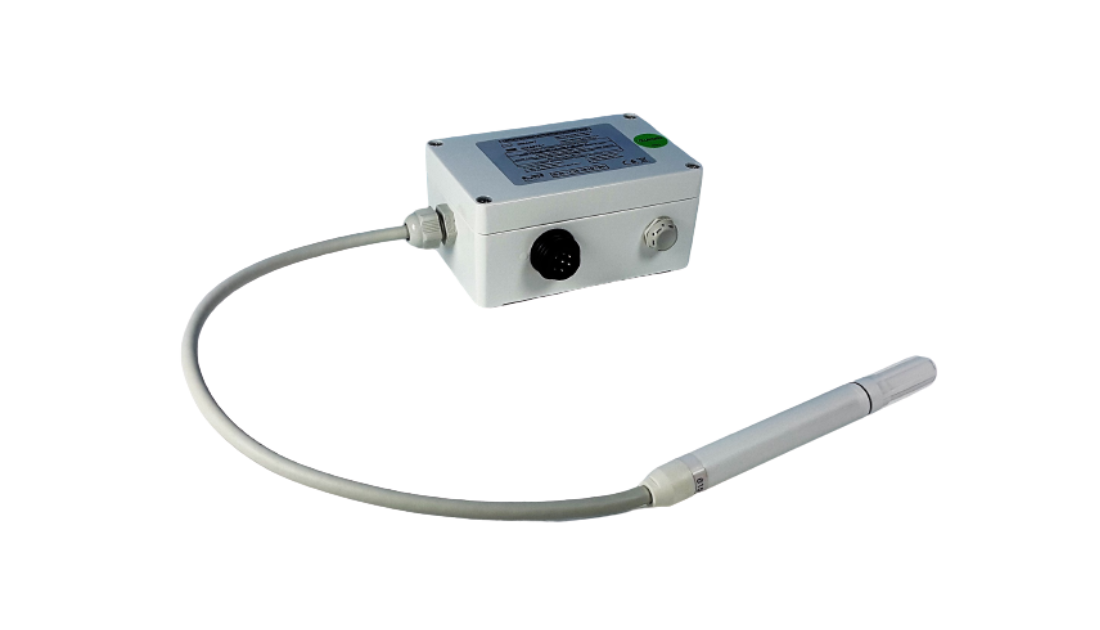
Radar water level sensors
For continuous non-contact measurements
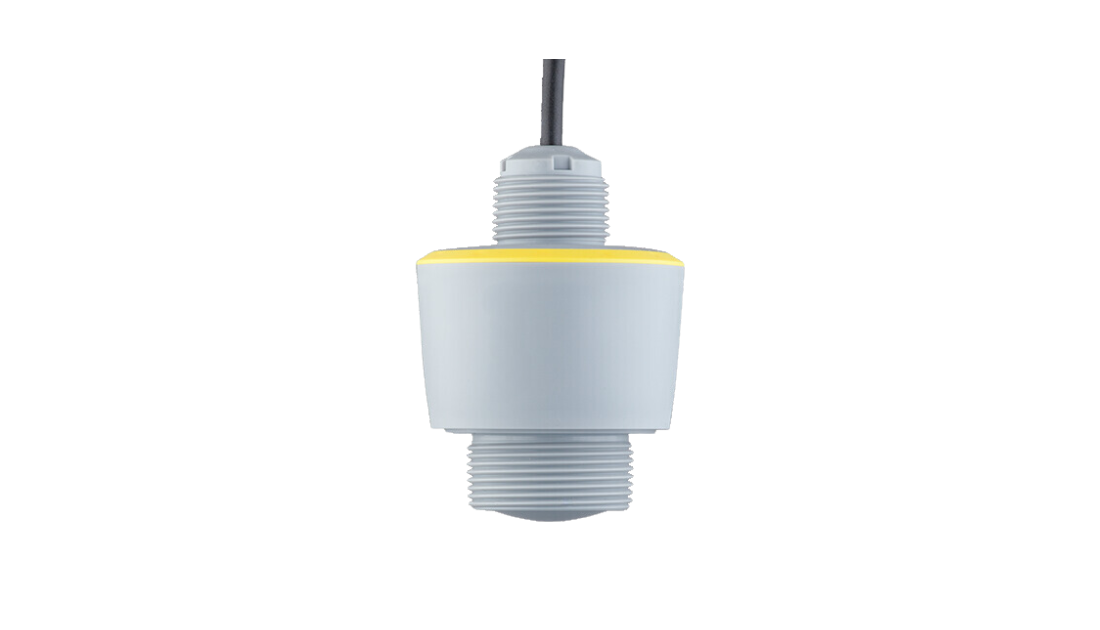
Radar water level sensors for continuous, non-contact level measurement of liquids. A series of extremely short microwavw pulses are irradiated by the sensor towards the surface of the water from wich they are reflected and then newly received by the receiving system.
The signal return time is proportional to the distance between the sensor and the water surface.
These models are more suitable than the submersible type, when the installation is made difficult due to strong current, possible overflows and edges of the unaccessible water basins.
DATA SHEETS
Description
Description
Radar water level sensors
Highlights
- Sensors for non-contact water level measurement, suitable for measurements in even severe applications;
- IP68 protection;
- It does not require maintenance as it measures without contact with the liquid;
- High stability even in situations of large and sudden thermal gradients;
- Not affected by condensation and dust phenomena;
- Model codes: PRLVA3002, PRLVA3001, PRLVA3003, PRLVA3201.
FAQ: Frequently Asked Questions
What are the advantages of a radar sensor for water-level measurement?
The main advantage of a radar sensor is non-contact water-level measurement: the sensor is installed above the water surface and does not need to be submerged. This reduces maintenance requirements and makes radar technology particularly suitable for rivers and canals with strong currents, possible overflows or difficult-to-access measuring points. LSI LASTEM radar sensors are also designed to operate in the presence of condensation, dust and significant temperature variations.
In which hydrological applications are radar water-level sensors used?
Radar sensors are particularly suitable for continuous water-level monitoring in rivers and canals and can also be used in basins, reservoirs and other applications where direct contact between the sensor and water should be avoided. Measuring ranges up to 30 m make it possible to adapt the system to different installation conditions and expected water-level variations.
How does a radar water-level sensor work?
The sensor transmits a frequency-modulated radar signal towards the water surface, where it is reflected and received again by the antenna. The frequency change in the received signal is related to the distance between the sensor and the water surface and is converted into a level measurement. As the measurement is performed remotely, the sensor is not directly exposed to the current or material transported by the water.
How can radar water-level sensors be used in hydrological early warning systems?
Continuous monitoring of river and canal levels makes it possible to track rapid water-level rises during intense weather events. By connecting the radar sensor to a data logger and remote communication system, water-level measurements can be combined with rainfall and other hydrometeorological data and used to generate alarms when predefined thresholds are exceeded. LSI LASTEM hydrological monitoring systems support remote communications, real-time data and rainfall analysis for alarm generation.
Additional information
Additional information
| Grandezze | |
|---|---|
| Applications |
Product
PRLVA3002-PRLVA3001-PRLVA3003-PRLVA3201
Categories Radar water level sensors, Sensors, Water sensors
Radar water level sensors
Highlights
- Sensors for non-contact water level measurement, suitable for measurements in even severe applications;
- IP68 protection;
- It does not require maintenance as it measures without contact with the liquid;
- High stability even in situations of large and sudden thermal gradients;
- Not affected by condensation and dust phenomena;
- Model codes: PRLVA3002, PRLVA3001, PRLVA3003, PRLVA3201.
FAQ: Frequently Asked Questions
What are the advantages of a radar sensor for water-level measurement?
The main advantage of a radar sensor is non-contact water-level measurement: the sensor is installed above the water surface and does not need to be submerged. This reduces maintenance requirements and makes radar technology particularly suitable for rivers and canals with strong currents, possible overflows or difficult-to-access measuring points. LSI LASTEM radar sensors are also designed to operate in the presence of condensation, dust and significant temperature variations.
In which hydrological applications are radar water-level sensors used?
Radar sensors are particularly suitable for continuous water-level monitoring in rivers and canals and can also be used in basins, reservoirs and other applications where direct contact between the sensor and water should be avoided. Measuring ranges up to 30 m make it possible to adapt the system to different installation conditions and expected water-level variations.
How does a radar water-level sensor work?
The sensor transmits a frequency-modulated radar signal towards the water surface, where it is reflected and received again by the antenna. The frequency change in the received signal is related to the distance between the sensor and the water surface and is converted into a level measurement. As the measurement is performed remotely, the sensor is not directly exposed to the current or material transported by the water.
How can radar water-level sensors be used in hydrological early warning systems?
Continuous monitoring of river and canal levels makes it possible to track rapid water-level rises during intense weather events. By connecting the radar sensor to a data logger and remote communication system, water-level measurements can be combined with rainfall and other hydrometeorological data and used to generate alarms when predefined thresholds are exceeded. LSI LASTEM hydrological monitoring systems support remote communications, real-time data and rainfall analysis for alarm generation.