Surface temperature
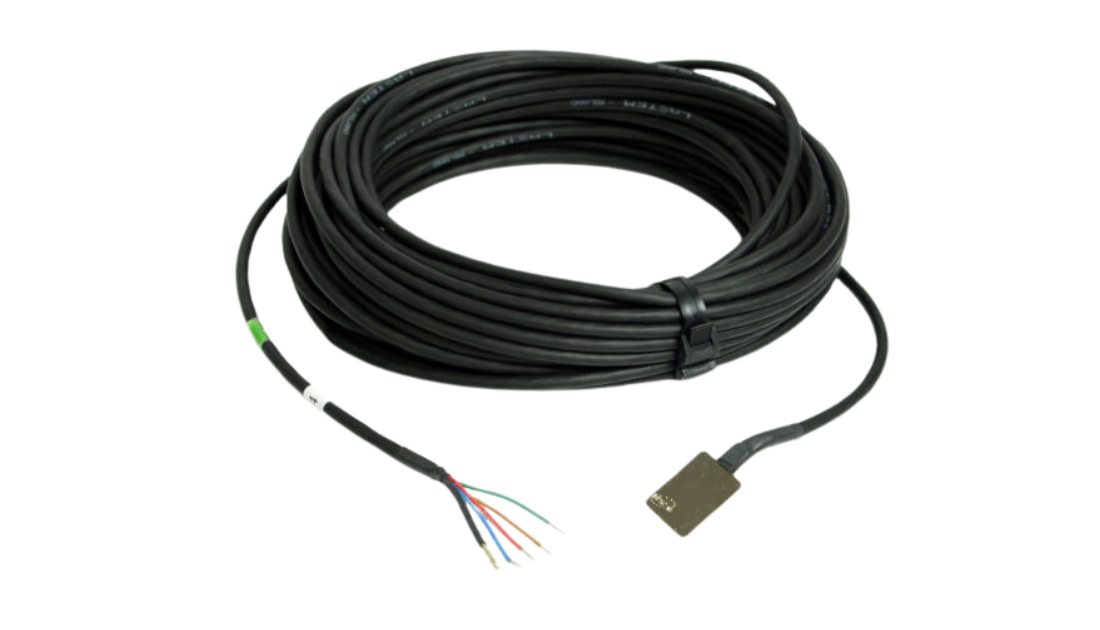
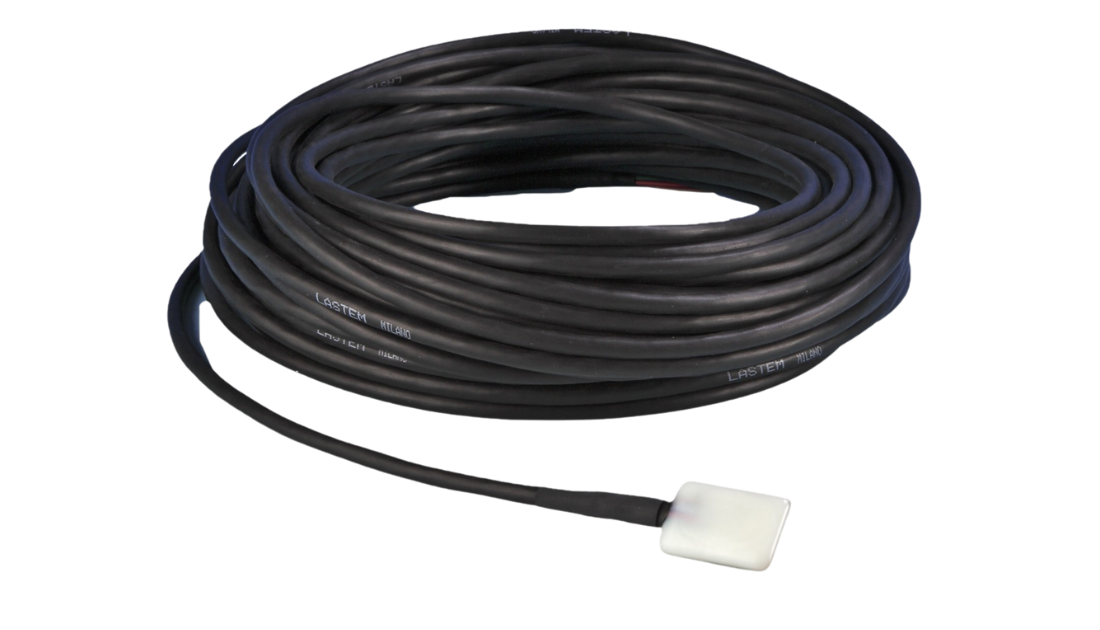
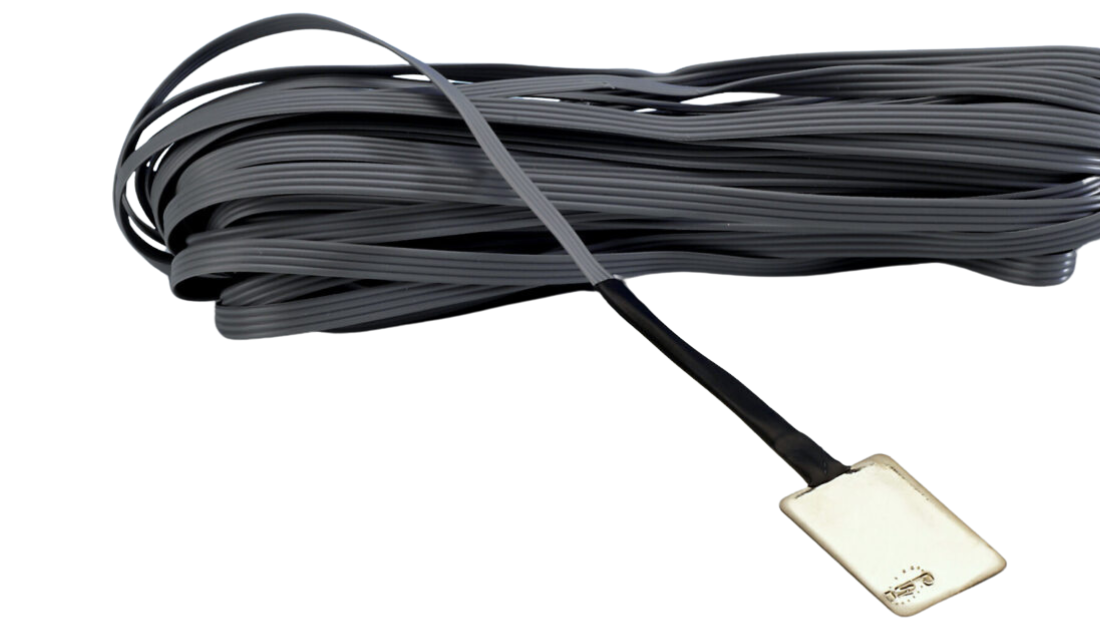
Plate sensor for temperature measurements in contact with surfaces. The compact size allows it to be installed even in small spaces.
DATA SHEETS
Description
Description
Sensors for measuring the surface temperature
Plate sensor for surface temperature measurements.
The compact dimensions allow installation even in small spaces. It can be fixed using silicone, double-sided tape or thermo-conductive paste.
Surface temperature
Highlights
- Robust sensor for outdoor applications even in severe environmental conditions;
- 4-wires Pt100 technology for long distance cable connections;
- Ideal to be attached to the walls for wall surface temperature measurements in building assessments (U factor applications);
- Pt100 1/3 DIN B Class AA sensitive element for outstanding accuracy. (0,15°C);
- Flat cable for cabling in norrow path (EST124);
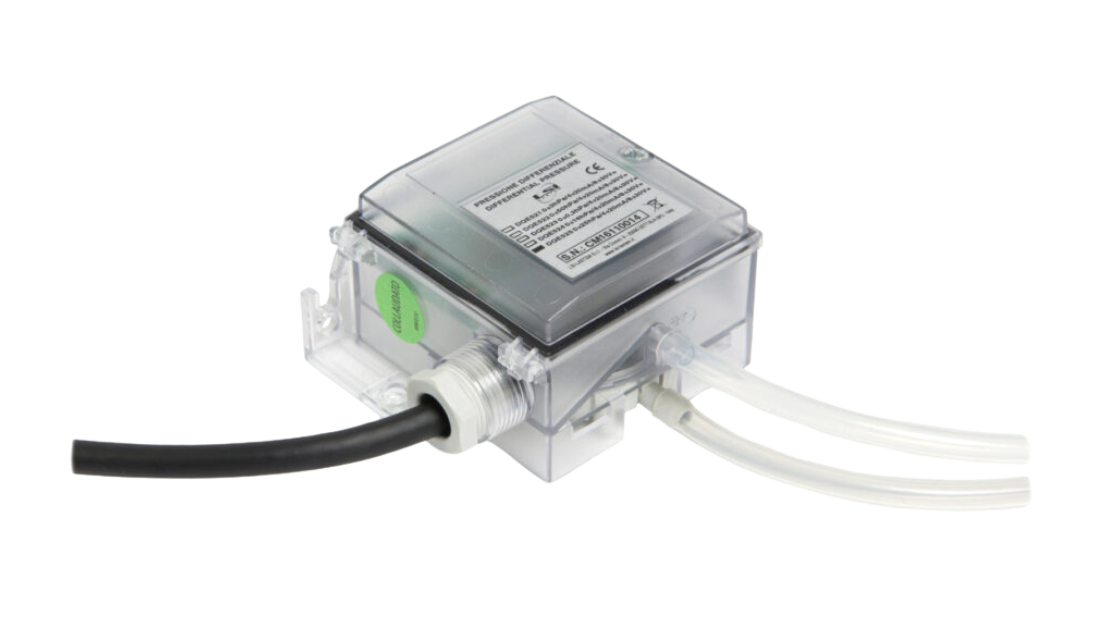
- Accessories for 4 ÷ 20 mA and RS-485 signal output;
- In-house ISO17025 accredited calibration laboratory;
- Model codes: EST124, DLE124.1, DLE124.
FAQ: Frequently Asked Questions
Why measure wall surface temperature in museums and historic buildings?
Air temperature alone does not fully describe the microclimatic conditions close to walls, surfaces and artworks. A cold wall can create much higher local relative humidity than that measured in the centre of the room and, if its surface temperature reaches the dew point, condensation may occur. Surface temperature monitoring is therefore particularly useful in museums, churches, archives and historic buildings to identify cold areas and potentially critical conditions for walls, collections and sensitive materials.
Why is surface temperature important for museum conservation?
In museum monitoring, surface temperature can be measured directly on walls, display cases, architectural elements or, where appropriate, object surfaces. When combined with indoor air temperature and relative humidity, it provides a better understanding of the actual microclimate close to surfaces and helps assess the risk of phenomena such as condensation and mould growth. Artwork surface temperature is also recognised as a relevant parameter in the assessment of microclimatic conditions for preventive conservation.
How is wall surface temperature used in building thermal calculations?
Surface temperature is useful for analysing the thermal behaviour of the building envelope. When measured together with air temperature and heat flow through the wall, it can support the in-situ determination of thermal resistance and thermal transmittance using the heat flow meter method. This makes it valuable for assessing heat losses, wall performance and the energy behaviour of existing buildings, including museums and historic buildings. [ISO](https://www.iso.org/standard/59697.html?utm_source=chatgpt.com) The LSI LASTEM datasheet specifically indicates the use of the EST124 surface temperature sensor together with a heat-flux sensor for thermal measurements on walls.
Which features make the LSI LASTEM surface temperature sensor suitable for monitoring?
The LSI LASTEM sensor uses a four-wire Pt100 1/3 DIN B Class AA sensing element, with a declared accuracy of 0.1 °C. Its compact plate can be applied directly to the monitored surface using silicone, double-sided adhesive tape or thermally conductive paste to improve thermal contact. 4–20 mA and RS485 signal conversion options are also available, together with calibration certificates from the internal ISO/IEC 17025 accredited laboratory.
Additional information
Additional information
| Grandezze | |
|---|---|
| Applications | Energy testing of buildings, IEQ and environmental comfort, Museums and archaeological sites, Stress and thermal comfort and related quantities portable |
Product
EST124-DLE124.1-DLE124
Categories Indoor sensors, Sensors, Temperature
Sensors for measuring the surface temperature
Plate sensor for surface temperature measurements.
The compact dimensions allow installation even in small spaces. It can be fixed using silicone, double-sided tape or thermo-conductive paste.
Surface temperature
Highlights
- Robust sensor for outdoor applications even in severe environmental conditions;
- 4-wires Pt100 technology for long distance cable connections;
- Ideal to be attached to the walls for wall surface temperature measurements in building assessments (U factor applications);
- Pt100 1/3 DIN B Class AA sensitive element for outstanding accuracy. (0,15°C);
- Flat cable for cabling in norrow path (EST124);
- Accessories for 4 ÷ 20 mA and RS-485 signal output;
- In-house ISO17025 accredited calibration laboratory;
- Model codes: EST124, DLE124.1, DLE124.
FAQ: Frequently Asked Questions
Why measure wall surface temperature in museums and historic buildings?
Air temperature alone does not fully describe the microclimatic conditions close to walls, surfaces and artworks. A cold wall can create much higher local relative humidity than that measured in the centre of the room and, if its surface temperature reaches the dew point, condensation may occur. Surface temperature monitoring is therefore particularly useful in museums, churches, archives and historic buildings to identify cold areas and potentially critical conditions for walls, collections and sensitive materials.
Why is surface temperature important for museum conservation?
In museum monitoring, surface temperature can be measured directly on walls, display cases, architectural elements or, where appropriate, object surfaces. When combined with indoor air temperature and relative humidity, it provides a better understanding of the actual microclimate close to surfaces and helps assess the risk of phenomena such as condensation and mould growth. Artwork surface temperature is also recognised as a relevant parameter in the assessment of microclimatic conditions for preventive conservation.
How is wall surface temperature used in building thermal calculations?
Surface temperature is useful for analysing the thermal behaviour of the building envelope. When measured together with air temperature and heat flow through the wall, it can support the in-situ determination of thermal resistance and thermal transmittance using the heat flow meter method. This makes it valuable for assessing heat losses, wall performance and the energy behaviour of existing buildings, including museums and historic buildings. [ISO](https://www.iso.org/standard/59697.html?utm_source=chatgpt.com) The LSI LASTEM datasheet specifically indicates the use of the EST124 surface temperature sensor together with a heat-flux sensor for thermal measurements on walls.
Which features make the LSI LASTEM surface temperature sensor suitable for monitoring?
The LSI LASTEM sensor uses a four-wire Pt100 1/3 DIN B Class AA sensing element, with a declared accuracy of 0.1 °C. Its compact plate can be applied directly to the monitored surface using silicone, double-sided adhesive tape or thermally conductive paste to improve thermal contact. 4–20 mA and RS485 signal conversion options are also available, together with calibration certificates from the internal ISO/IEC 17025 accredited laboratory.