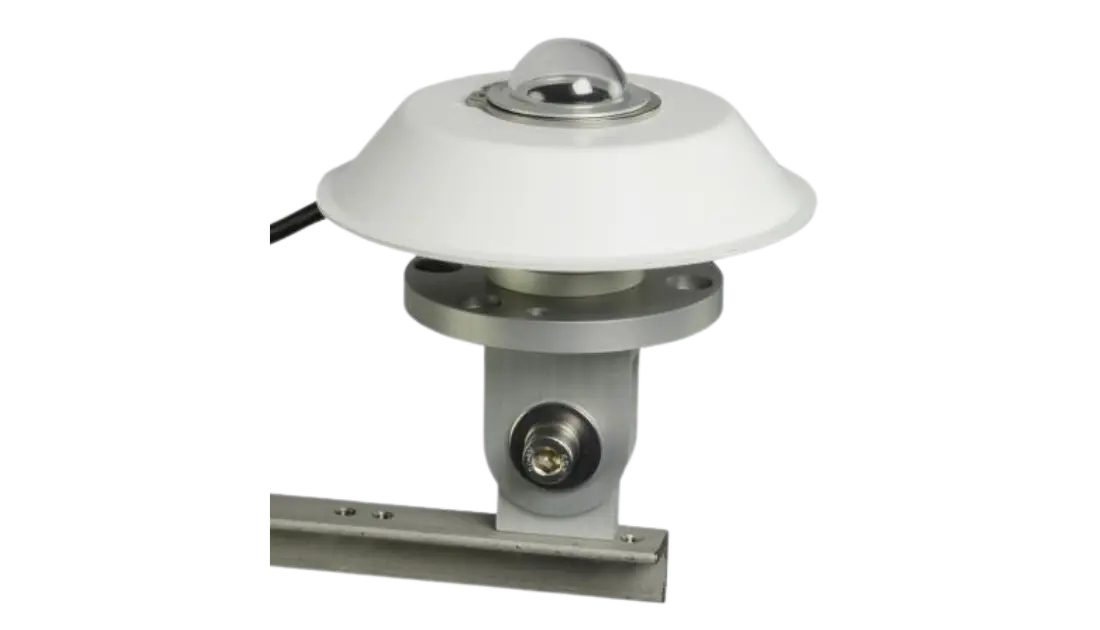
Globe temperature
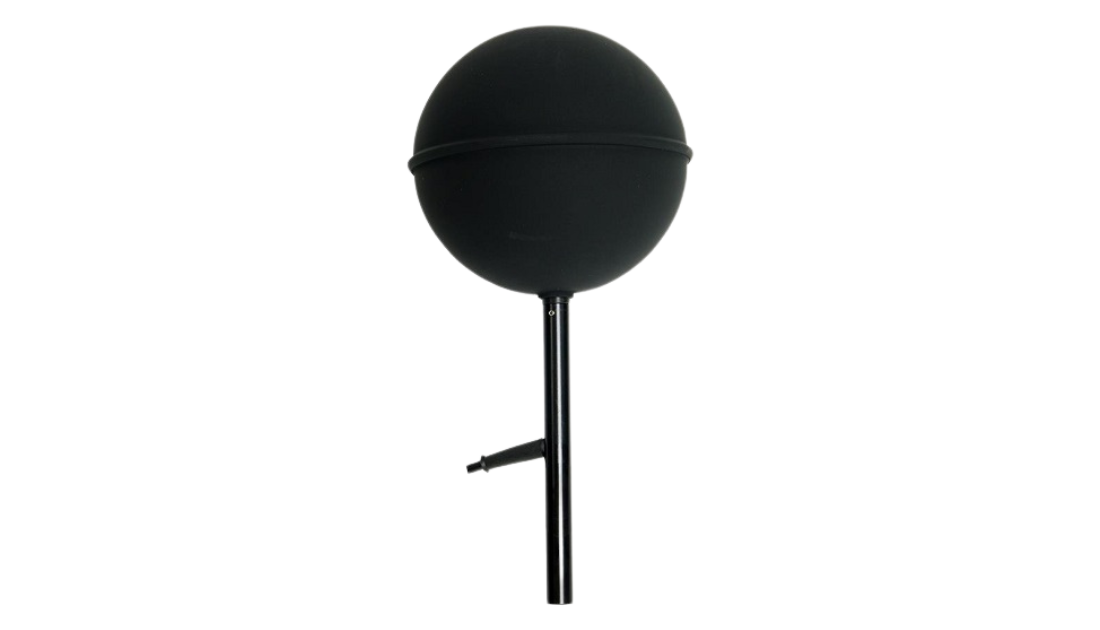
Black globe temperature sensor
Radiant temperature sensor (Pt100 output).
The temperature measured by the black globe environment sensor is an important variable in the calculation of microclimatic indices; represents the integrated effects of thermal radiation (radiant heat), air temperature and air speed on human comfort.
DATA SHEETS
Description
Description
Black globe temperature sensor
The sensor is designed to measure the radiant temperature according to ISO7726 is made of opaque black copper (reflection <2% ASTM 97-55). If connected to the LSI LASTEM M-Log series data loggers with the wet bulb temperature sensor, it allows the calculation of the WBGT thermal stress index.
Globe temperature
Highlights
- High absorbtion paint on the copper globe (>0.98);
- In-house ISO17025 calibration laboratory;
- Accurate temperature measurement (0.15 °C);
- Design and dimensions in compliance to ISO7726 standard;
- Model codes: EST131, PRTEA4922.
FAQ: Frequently Asked Questions
Why is globe temperature important in microclimatic calculations?
Air temperature alone does not fully describe the thermal load experienced by a person. A black globe thermometer measures globe temperature, which integrates the effects of air temperature, air velocity and, most importantly, thermal radiation. This measurement can be used to estimate Mean Radiant Temperature (Tmrt), a key parameter for assessing thermal comfort and heat stress and for calculating microclimatic indices such as WBGT, PMV/PPD and UTCI.
Which standards and microclimatic indices use globe temperature?
The LSI LASTEM globe thermometer is designed according to ISO 7726, which defines instruments and methods for measuring physical quantities in thermal environments. Globe temperature is used directly in WBGT calculation according to ISO 7243 and makes it possible to derive Mean Radiant Temperature for thermal comfort and heat stress assessments, including PMV/PPD according to ISO 7730 and UTCI. For a complete assessment, globe temperature must be combined with the other environmental parameters required by the specific index.
Can a globe thermometer be used for both mobile surveys and fixed monitoring?
Yes. Globe temperature can be measured during mobile or temporary surveys to compare workplaces, urban areas or indoor environments, or continuously within fixed monitoring networks. LSI LASTEM offers portable solutions for microclimatic surveys as well as IP66 globe thermometers that can be integrated into permanent systems through Pt100, 4–20 mA or Modbus-RTU interfaces. Fixed monitoring is especially useful when radiant heat changes throughout the day or across seasons and long-term trends or extreme events need to be analysed.
Why is globe temperature monitoring increasingly important with global warming?
As heat exposure increases and extreme heat events become more frequent and intense, air temperature alone may not adequately represent human thermal stress. WMO notes that heat-stress assessment requires indices combining temperature with factors such as humidity, solar radiation and wind, while urban heat islands can further increase exposure in cities. Monitoring globe temperature and Mean Radiant Temperature is therefore increasingly relevant in smart cities, public spaces, workplaces and microclimate networks to assess the thermal load actually experienced by people.
Additional information
Additional information
| Applications | IEQ and environmental comfort, Stress and thermal comfort and related quantities portable |
|---|---|
| Grandezze |
Product
EST131-PRTEA4922
Categories Indoor sensors, Sensors, Temperature
Black globe temperature sensor
The sensor is designed to measure the radiant temperature according to ISO7726 is made of opaque black copper (reflection <2% ASTM 97-55). If connected to the LSI LASTEM M-Log series data loggers with the wet bulb temperature sensor, it allows the calculation of the WBGT thermal stress index.
Globe temperature
Highlights
- High absorbtion paint on the copper globe (>0.98);
- In-house ISO17025 calibration laboratory;
- Accurate temperature measurement (0.15 °C);
- Design and dimensions in compliance to ISO7726 standard;
- Model codes: EST131, PRTEA4922.
FAQ: Frequently Asked Questions
Why is globe temperature important in microclimatic calculations?
Air temperature alone does not fully describe the thermal load experienced by a person. A black globe thermometer measures globe temperature, which integrates the effects of air temperature, air velocity and, most importantly, thermal radiation. This measurement can be used to estimate Mean Radiant Temperature (Tmrt), a key parameter for assessing thermal comfort and heat stress and for calculating microclimatic indices such as WBGT, PMV/PPD and UTCI.
Which standards and microclimatic indices use globe temperature?
The LSI LASTEM globe thermometer is designed according to ISO 7726, which defines instruments and methods for measuring physical quantities in thermal environments. Globe temperature is used directly in WBGT calculation according to ISO 7243 and makes it possible to derive Mean Radiant Temperature for thermal comfort and heat stress assessments, including PMV/PPD according to ISO 7730 and UTCI. For a complete assessment, globe temperature must be combined with the other environmental parameters required by the specific index.
Can a globe thermometer be used for both mobile surveys and fixed monitoring?
Yes. Globe temperature can be measured during mobile or temporary surveys to compare workplaces, urban areas or indoor environments, or continuously within fixed monitoring networks. LSI LASTEM offers portable solutions for microclimatic surveys as well as IP66 globe thermometers that can be integrated into permanent systems through Pt100, 4–20 mA or Modbus-RTU interfaces. Fixed monitoring is especially useful when radiant heat changes throughout the day or across seasons and long-term trends or extreme events need to be analysed.
Why is globe temperature monitoring increasingly important with global warming?
As heat exposure increases and extreme heat events become more frequent and intense, air temperature alone may not adequately represent human thermal stress. WMO notes that heat-stress assessment requires indices combining temperature with factors such as humidity, solar radiation and wind, while urban heat islands can further increase exposure in cities. Monitoring globe temperature and Mean Radiant Temperature is therefore increasingly relevant in smart cities, public spaces, workplaces and microclimate networks to assess the thermal load actually experienced by people.