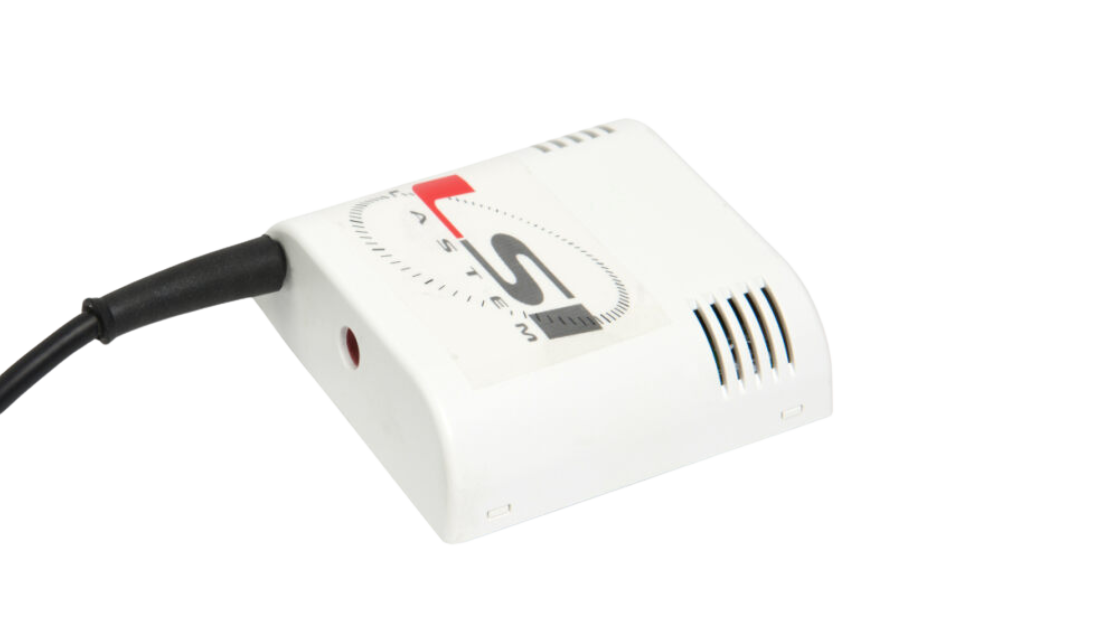
CO2 sensors
Carbon dioxide
Range of sensors for measuring gas concentration in indoor environments.
This sensor uses infrared absorption cell methode.
DATA SHEETS
Description
Description
Carbon dioxide
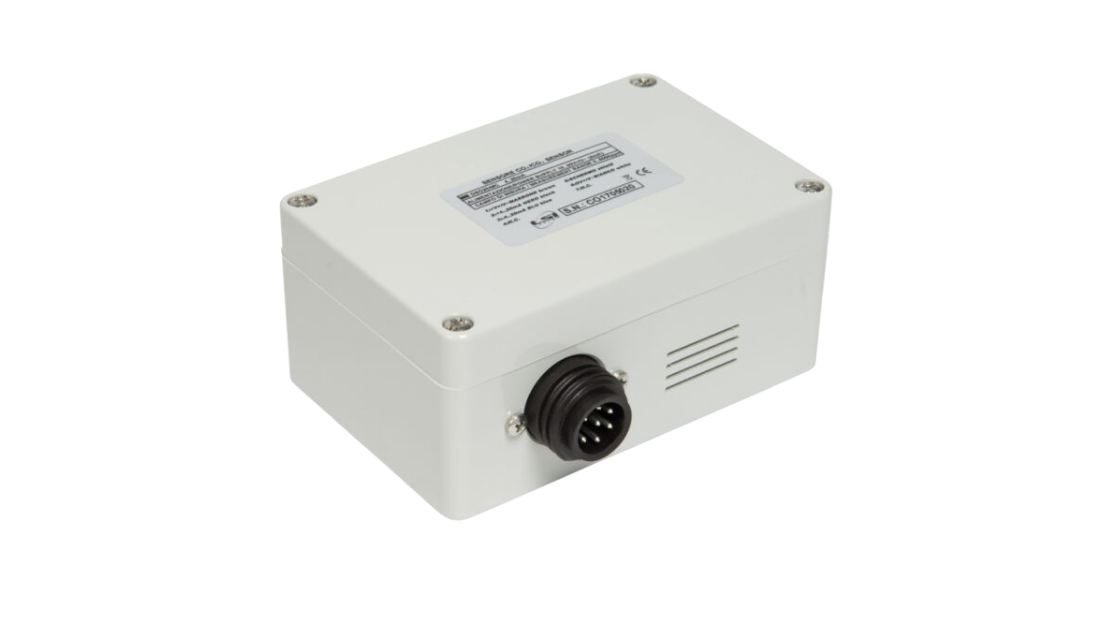
The line includes sensors with cables and mini-DIN connectors, to be used with LSI LASTEM data loggers type M-Log and sensors with 4-20 mA output that can be used by third party systems or LSI LASTEM data logger with inputs terminal block. The sensors are based on electrochemical cell technology.
The CO2 sensor is based on infra-red cell technology and the VOCs sensors on the PID cell technology.
CO2 sensors
Highlights
- Wide range of sensors optimized for indoor air quality monitoring;
- Portable and stand-alone applications in indoor environments;
- Possibility to calibrate the sensor using “zero” and “span” trimmers. Not for CO2;
- 4-20 mA output, free wires cable L.10 m (DSOxxx series);
- mV output and cable with MiniDIN connector type (ESOxxx series);
- Model codes: ESO204, DSO205.
FAQ: Frequently Asked Questions
Why is CO₂ monitoring important for Indoor Environmental Quality (IEQ)?
In occupied indoor environments, CO₂ concentration increases mainly as a result of human respiration and is a useful indicator for assessing the relationship between occupancy and ventilation. High concentrations may indicate that outdoor air supply is not adequate for the actual use of the space. CO₂ is therefore an important IEQ parameter, but it does not represent overall air quality on its own: for a comprehensive assessment, it should be considered together with temperature, humidity, particulate matter, VOCs and other indoor pollutants.
In which indoor environments is CO₂ monitoring particularly useful?
CO₂ monitoring is particularly useful in spaces with high or variable occupancy, such as schools, universities, offices, meeting rooms, public buildings and commercial spaces. Continuous measurement shows how concentrations change throughout the day in relation to occupancy and ventilation, helping identify recurring conditions of insufficient ventilation. It is therefore useful for both IEQ assessment surveys and continuous building monitoring.
How can CO₂ monitoring support building ventilation and energy efficiency?
CO₂ monitoring can help determine how ventilation responds to actual occupancy and can support Demand Controlled Ventilation (DCV) strategies, where outdoor air supply is adjusted according to occupancy conditions. This approach can help balance Indoor Environmental Quality and energy efficiency by avoiding insufficient ventilation of occupied spaces or unnecessary over-ventilation when demand is lower.
Which features do LSI LASTEM CO₂ sensors offer for IEQ monitoring?
LSI LASTEM CO₂ sensors use infrared technology and are designed for indoor air quality monitoring. Models with MiniDIN connectors are available for use with LSI LASTEM M-Log data loggers, while 4–20 mA versions can be integrated with LSI LASTEM or third-party acquisition systems. They can be used for both portable measurement surveys and continuous IEQ monitoring.
Additional information
Additional information
| Grandezze | |
|---|---|
| Applications | IEQ and environmental comfort, Museums and archaeological sites, Stress and thermal comfort and related quantities portable, Waste cycle |
Product
ESO204-DSO205
Categories Gas, Indoor sensors, Sensors
Carbon dioxide
The line includes sensors with cables and mini-DIN connectors, to be used with LSI LASTEM data loggers type M-Log and sensors with 4-20 mA output that can be used by third party systems or LSI LASTEM data logger with inputs terminal block. The sensors are based on electrochemical cell technology.
The CO2 sensor is based on infra-red cell technology and the VOCs sensors on the PID cell technology.
CO2 sensors
Highlights
- Wide range of sensors optimized for indoor air quality monitoring;
- Portable and stand-alone applications in indoor environments;
- Possibility to calibrate the sensor using “zero” and “span” trimmers. Not for CO2;
- 4-20 mA output, free wires cable L.10 m (DSOxxx series);
- mV output and cable with MiniDIN connector type (ESOxxx series);
- Model codes: ESO204, DSO205.
FAQ: Frequently Asked Questions
Why is CO₂ monitoring important for Indoor Environmental Quality (IEQ)?
In occupied indoor environments, CO₂ concentration increases mainly as a result of human respiration and is a useful indicator for assessing the relationship between occupancy and ventilation. High concentrations may indicate that outdoor air supply is not adequate for the actual use of the space. CO₂ is therefore an important IEQ parameter, but it does not represent overall air quality on its own: for a comprehensive assessment, it should be considered together with temperature, humidity, particulate matter, VOCs and other indoor pollutants.
In which indoor environments is CO₂ monitoring particularly useful?
CO₂ monitoring is particularly useful in spaces with high or variable occupancy, such as schools, universities, offices, meeting rooms, public buildings and commercial spaces. Continuous measurement shows how concentrations change throughout the day in relation to occupancy and ventilation, helping identify recurring conditions of insufficient ventilation. It is therefore useful for both IEQ assessment surveys and continuous building monitoring.
How can CO₂ monitoring support building ventilation and energy efficiency?
CO₂ monitoring can help determine how ventilation responds to actual occupancy and can support Demand Controlled Ventilation (DCV) strategies, where outdoor air supply is adjusted according to occupancy conditions. This approach can help balance Indoor Environmental Quality and energy efficiency by avoiding insufficient ventilation of occupied spaces or unnecessary over-ventilation when demand is lower.
Which features do LSI LASTEM CO₂ sensors offer for IEQ monitoring?
LSI LASTEM CO₂ sensors use infrared technology and are designed for indoor air quality monitoring. Models with MiniDIN connectors are available for use with LSI LASTEM M-Log data loggers, while 4–20 mA versions can be integrated with LSI LASTEM or third-party acquisition systems. They can be used for both portable measurement surveys and continuous IEQ monitoring.