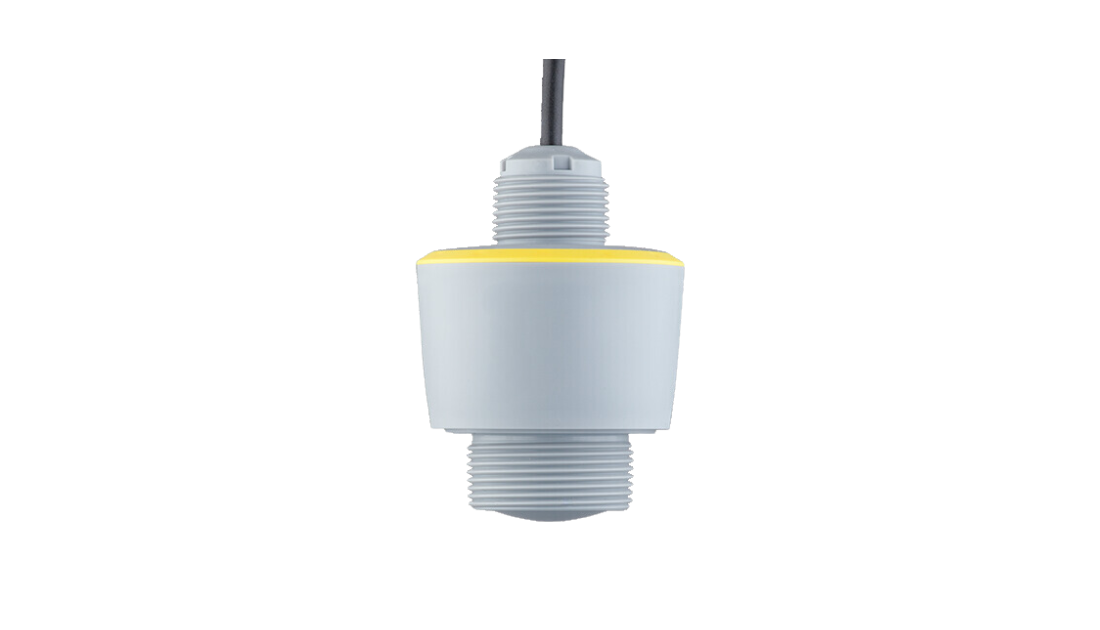
Calibrated cell
To evaluate the performance of photovoltaic panels
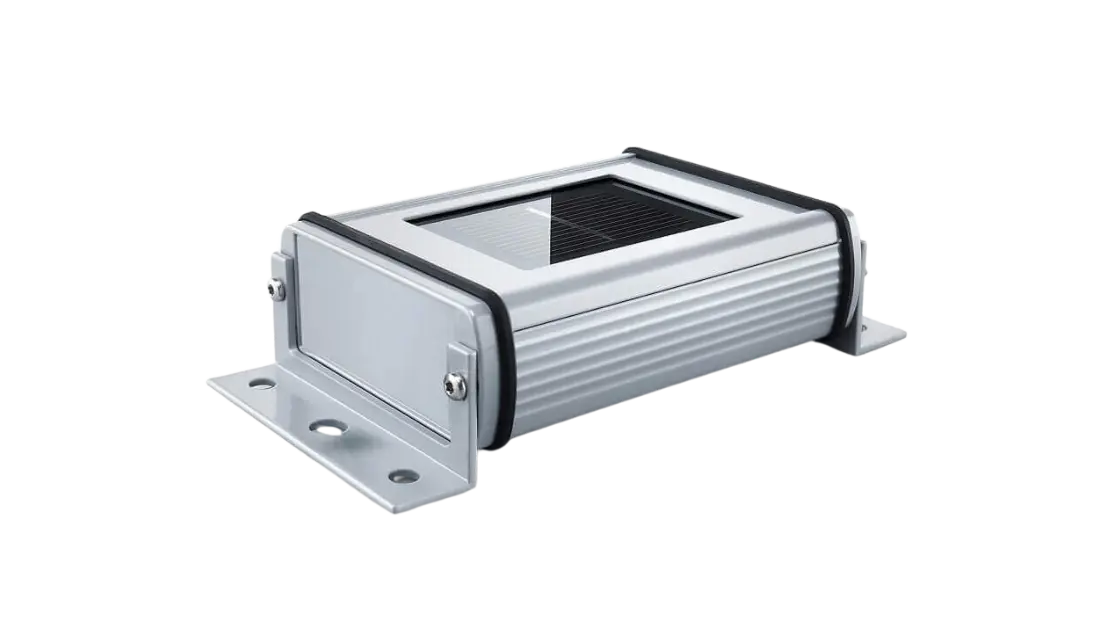
Reference cell designed for applications in solar systems for the measurement of insolation in the spectral band of photovoltaic panels.
DATA SHEETS
Description
Description
To evaluate the performance of photovoltaic panels
PRRDA4001 è una cella di riferimento ad alte prestazioni. Il sensore è disponibile con cella a tecnologia monocristallina. Inoltre, la calibrazione di ogni sensore è ottenuta da un elemento di riferimento (grado di qualità A, costruito in modo identico) da un laboratorio di prova accreditato in W/m².
A calibrating printout (similar to EN DIN 17025) reports the product specific parameters.
Calibrated cell
Highlights
- Help in the evaluation of the behavior and conversion efficiency downstream of PV modules during the PV plants assesemnt using the same solar cell technology as the PV modules;
- High performance calibrated reference cell;
- Monocristalline technology;
- Calibrated by a test laboratory and delivered with calibration certificate;
- Misura la radiazione e la temperatura della cella;
- Model codes: PRRDA4001, PRRDA4030, PRRDA4050.
FAQ: Frequently Asked Questions
What is a calibrated cell used for in a photovoltaic system?
A calibrated cell measures solar irradiance over a spectral range similar to that of photovoltaic modules. Installed in the same plane as the panels, it allows the available solar radiation to be compared with the energy produced, supporting assessment of system performance and conversion efficiency.
Why use a reference cell based on the same technology as the photovoltaic modules?
A cell made with photovoltaic technology similar to that of the modules provides a spectral response that is more representative of the monitored array. LSI LASTEM calibrated cells use monocrystalline technology, measure both irradiance and cell temperature, and are supplied with an individual calibration certificate.
How can soiling losses be calculated using two calibrated cells?
Two equivalent cells are installed in the same plane as the modules: one is kept clean, while the other is allowed to become naturally soiled. The ratio between the signals from the soiled and clean cells is used to calculate the soiling ratio, while the difference from 1 represents the loss caused by dirt. This approach is described in IEC 61724-1 for photovoltaic system monitoring.
Can two calibrated cells directly calculate the system Performance Ratio?
Not on their own. The two cells mainly make it possible to quantify the soiling ratio and losses caused by dirt. Calculating the Performance Ratio also requires the energy produced by the system, the irradiance in the plane of the modules, and the installed nominal power. However, the clean/soiled comparison helps interpret the Performance Ratio correctly and distinguish soiling losses from other faults or inefficiencies.
Additional information
Additional information
| Grandezze | |
|---|---|
| Applications |
Product
PRRDA4001-PRRDA4030-PRRDA4050
Categories Meteo sensors, Sensors, Solar radiation
To evaluate the performance of photovoltaic panels
PRRDA4001 è una cella di riferimento ad alte prestazioni. Il sensore è disponibile con cella a tecnologia monocristallina. Inoltre, la calibrazione di ogni sensore è ottenuta da un elemento di riferimento (grado di qualità A, costruito in modo identico) da un laboratorio di prova accreditato in W/m².
A calibrating printout (similar to EN DIN 17025) reports the product specific parameters.
Calibrated cell
Highlights
- Help in the evaluation of the behavior and conversion efficiency downstream of PV modules during the PV plants assesemnt using the same solar cell technology as the PV modules;
- High performance calibrated reference cell;
- Monocristalline technology;
- Calibrated by a test laboratory and delivered with calibration certificate;
- Misura la radiazione e la temperatura della cella;
- Model codes: PRRDA4001, PRRDA4030, PRRDA4050.
FAQ: Frequently Asked Questions
What is a calibrated cell used for in a photovoltaic system?
A calibrated cell measures solar irradiance over a spectral range similar to that of photovoltaic modules. Installed in the same plane as the panels, it allows the available solar radiation to be compared with the energy produced, supporting assessment of system performance and conversion efficiency.
Why use a reference cell based on the same technology as the photovoltaic modules?
A cell made with photovoltaic technology similar to that of the modules provides a spectral response that is more representative of the monitored array. LSI LASTEM calibrated cells use monocrystalline technology, measure both irradiance and cell temperature, and are supplied with an individual calibration certificate.
How can soiling losses be calculated using two calibrated cells?
Two equivalent cells are installed in the same plane as the modules: one is kept clean, while the other is allowed to become naturally soiled. The ratio between the signals from the soiled and clean cells is used to calculate the soiling ratio, while the difference from 1 represents the loss caused by dirt. This approach is described in IEC 61724-1 for photovoltaic system monitoring.
Can two calibrated cells directly calculate the system Performance Ratio?
Not on their own. The two cells mainly make it possible to quantify the soiling ratio and losses caused by dirt. Calculating the Performance Ratio also requires the energy produced by the system, the irradiance in the plane of the modules, and the installed nominal power. However, the clean/soiled comparison helps interpret the Performance Ratio correctly and distinguish soiling losses from other faults or inefficiencies.