Atmospheric pressure
High quality barometers for meteorological applications
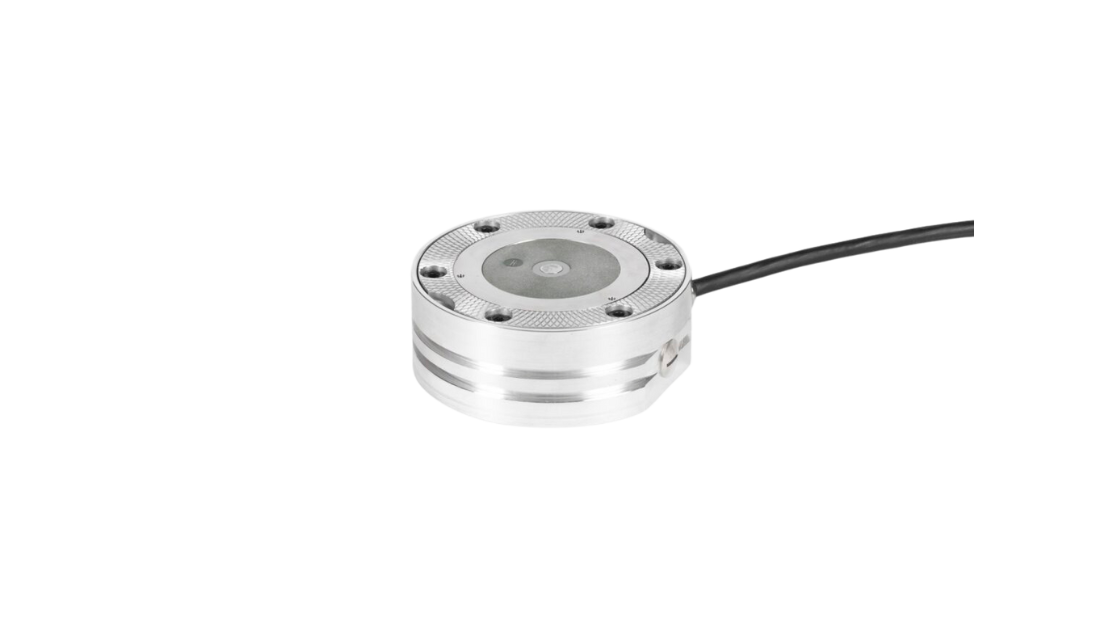
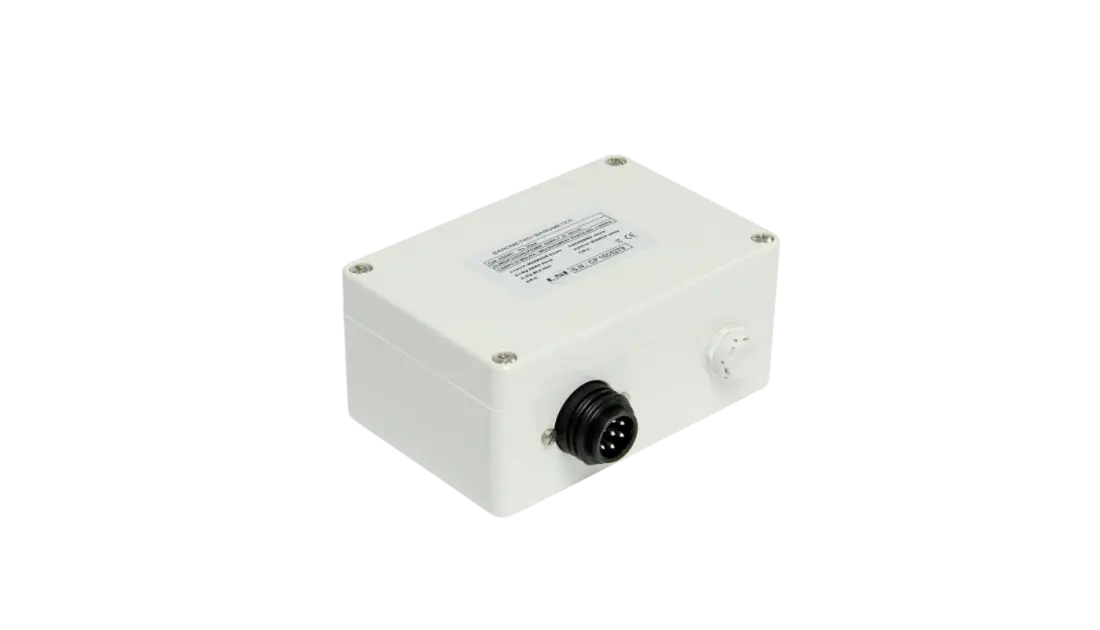
Sensors designed for accurate measurement of atmosperic pressure.
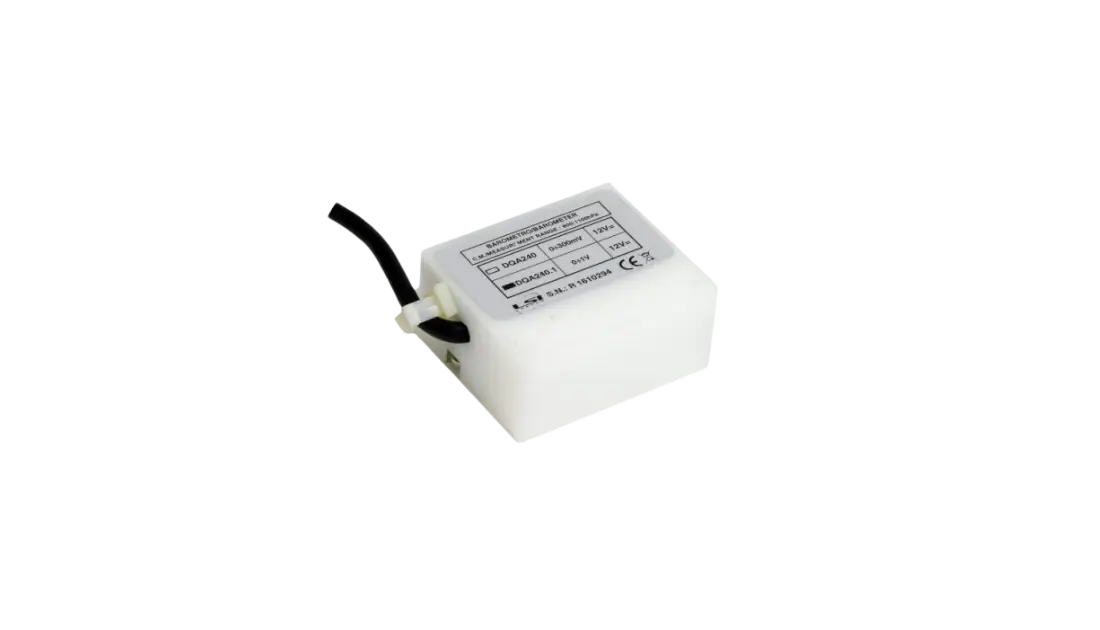
DQA240.1 is more suitable for LSI-LASTEM data acquisition systems (0-1Vdc output).
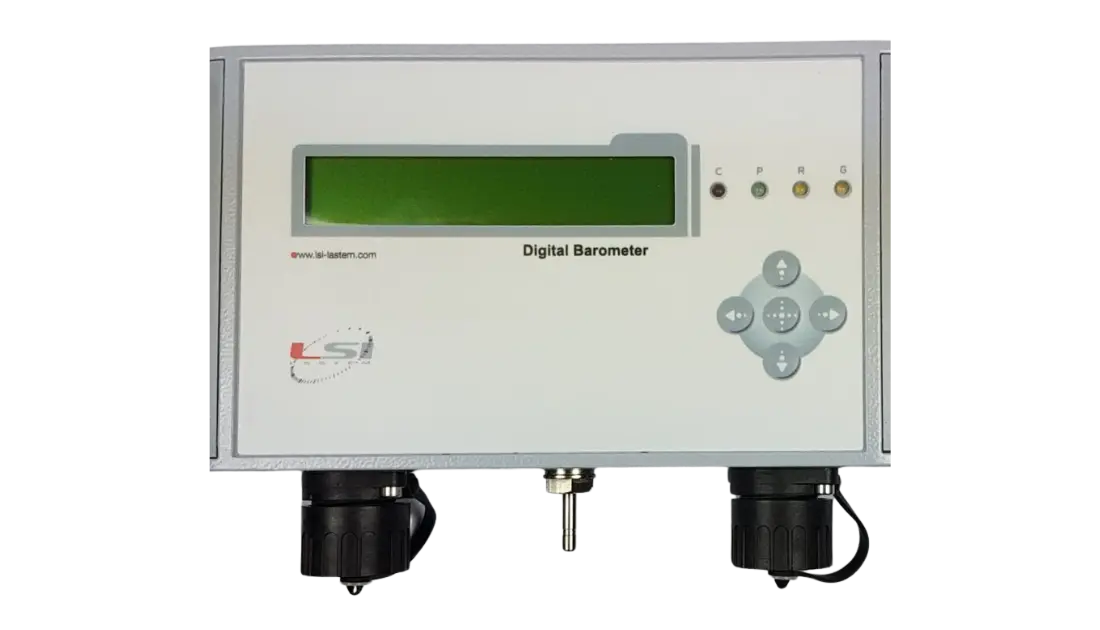
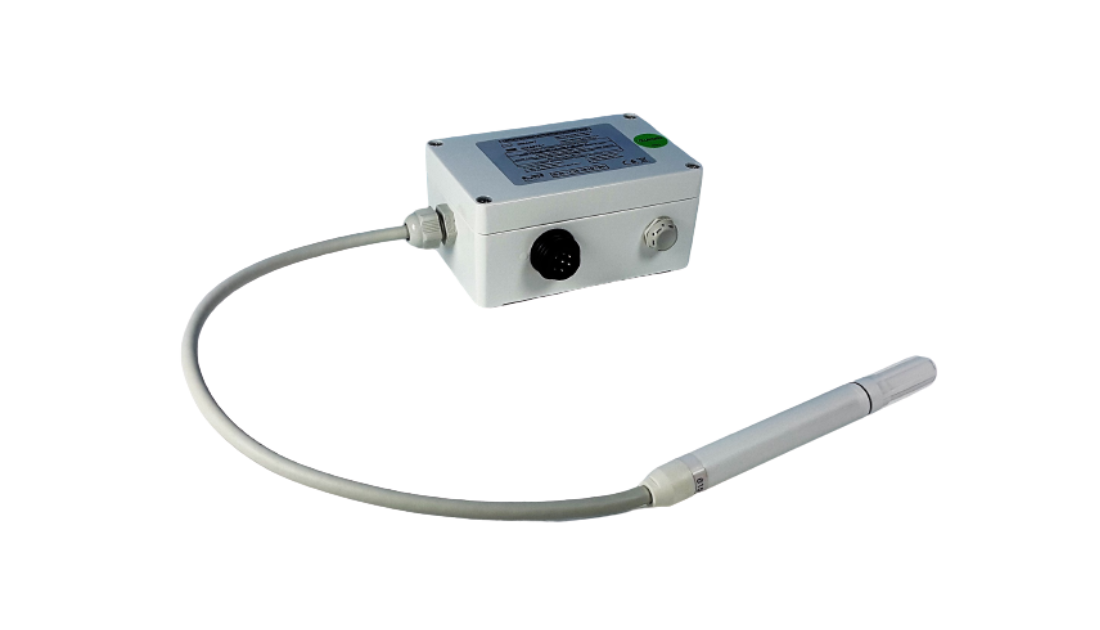
DQA801 is also suitable for integration in third part systems (0/4-20 mA output), its range is locally selectable by trimmer DQA251 is a high precision instrument for absolute pressure, QNH, QFE, QFF.
Long-term stability and a web interface make it the perfect instrument for professional acquisition systems and meteorology, aviation.
Heavy duty enclosure IP67, allows an easy installation also in harsh environmental conditions. This sensor is built according WMO and ICAO standards.
DATA SHEETS
Description
Description
Atmospheric pressure
Highlights
- Wide range of models with technical specifications for meteorological applications;
- Analogue outputs (DQA240A.1, DQA801); RS485, Ethernet digital output s(DQA251);
- Very good accuracy: ±0.15 hPa (@20°C) ±0.20 hPa (-40÷60 °C) (DQA251);
- QNH, QFE, QFF measurements (DQA251);
- Alpha-Log data logger is equipped with internal pressure sensor.
- In this document, technical specification of this sensor are described (Read Alpha-Log column);
- Model codes: DQA240A.1, DQA801, DQA251.
FAQ: Frequently Asked Questions
Why is atmospheric pressure measurement important?
Atmospheric pressure is one of the fundamental variables used to describe the state of the atmosphere and interpret changing weather conditions. Its variations help identify the passage of high- and low-pressure systems and support forecasting, climate analysis, and environmental monitoring.
What are the seven main meteorological variables identified by the WMO?
The seven main meteorological variables are air temperature, atmospheric pressure, humidity, surface wind, precipitation, solar radiation, and sunshine duration. Measuring them together provides a complete and comparable description of atmospheric conditions.
Which variables can LSI LASTEM data loggers calculate using measured atmospheric pressure?
Depending on the model, LSI LASTEM data loggers can use atmospheric pressure to calculate air velocity with Pitot or Darcy tubes, sea-level pressure, psychrometric relative humidity, specific humidity, wet-bulb temperature, and QNH barometric pressure using different ICAO and WMO algorithms. These calculations are useful in meteorology, psychrometrics, fluid-dynamic measurements, and airport applications.
Which features make LSI LASTEM barometers reliable?
The range includes analogue and digital models with different output signals for integration into monitoring systems. The high-precision model offers performance suitable for meteorological and airport applications, while long-term stability, protection for outdoor use, and the ability to process values such as QNH contribute to overall system reliability.
Additional information
Additional information
| Applications | Agro-meteorology, Air quality, Airports and roads, Hydrology, Meteo observations, Waste cycle |
|---|---|
| Grandezze |
Product
DQA240A.1-DQA801-DQA251
Categories Atmospheric pressure, Meteo sensors, Sensors
Atmospheric pressure
Highlights
- Wide range of models with technical specifications for meteorological applications;
- Analogue outputs (DQA240A.1, DQA801); RS485, Ethernet digital output s(DQA251);
- Very good accuracy: ±0.15 hPa (@20°C) ±0.20 hPa (-40÷60 °C) (DQA251);
- QNH, QFE, QFF measurements (DQA251);
- Alpha-Log data logger is equipped with internal pressure sensor.
- In this document, technical specification of this sensor are described (Read Alpha-Log column);
- Model codes: DQA240A.1, DQA801, DQA251.
FAQ: Frequently Asked Questions
Why is atmospheric pressure measurement important?
Atmospheric pressure is one of the fundamental variables used to describe the state of the atmosphere and interpret changing weather conditions. Its variations help identify the passage of high- and low-pressure systems and support forecasting, climate analysis, and environmental monitoring.
What are the seven main meteorological variables identified by the WMO?
The seven main meteorological variables are air temperature, atmospheric pressure, humidity, surface wind, precipitation, solar radiation, and sunshine duration. Measuring them together provides a complete and comparable description of atmospheric conditions.
Which variables can LSI LASTEM data loggers calculate using measured atmospheric pressure?
Depending on the model, LSI LASTEM data loggers can use atmospheric pressure to calculate air velocity with Pitot or Darcy tubes, sea-level pressure, psychrometric relative humidity, specific humidity, wet-bulb temperature, and QNH barometric pressure using different ICAO and WMO algorithms. These calculations are useful in meteorology, psychrometrics, fluid-dynamic measurements, and airport applications.
Which features make LSI LASTEM barometers reliable?
The range includes analogue and digital models with different output signals for integration into monitoring systems. The high-precision model offers performance suitable for meteorological and airport applications, while long-term stability, protection for outdoor use, and the ability to process values such as QNH contribute to overall system reliability.