Soiling
The sensor that measures the degree of dirt of the photovoltaic modules
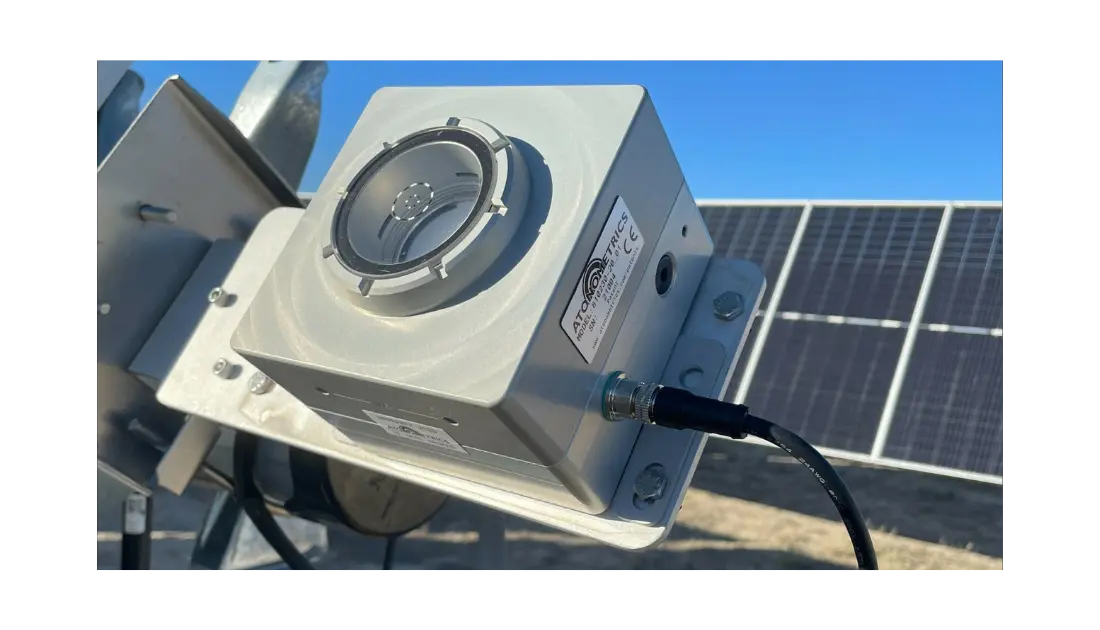
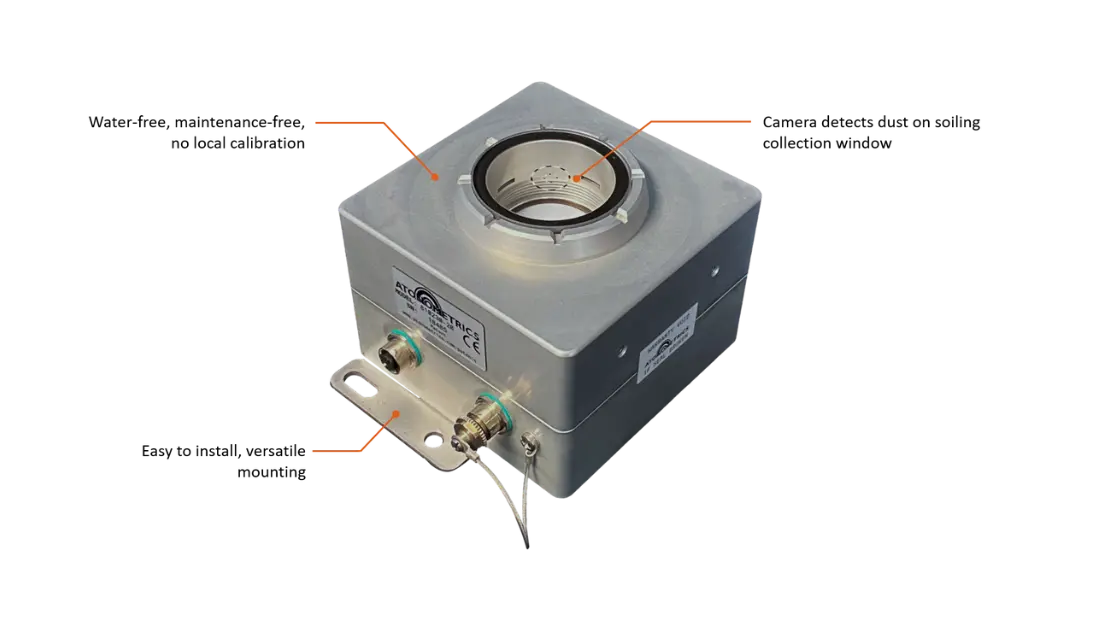
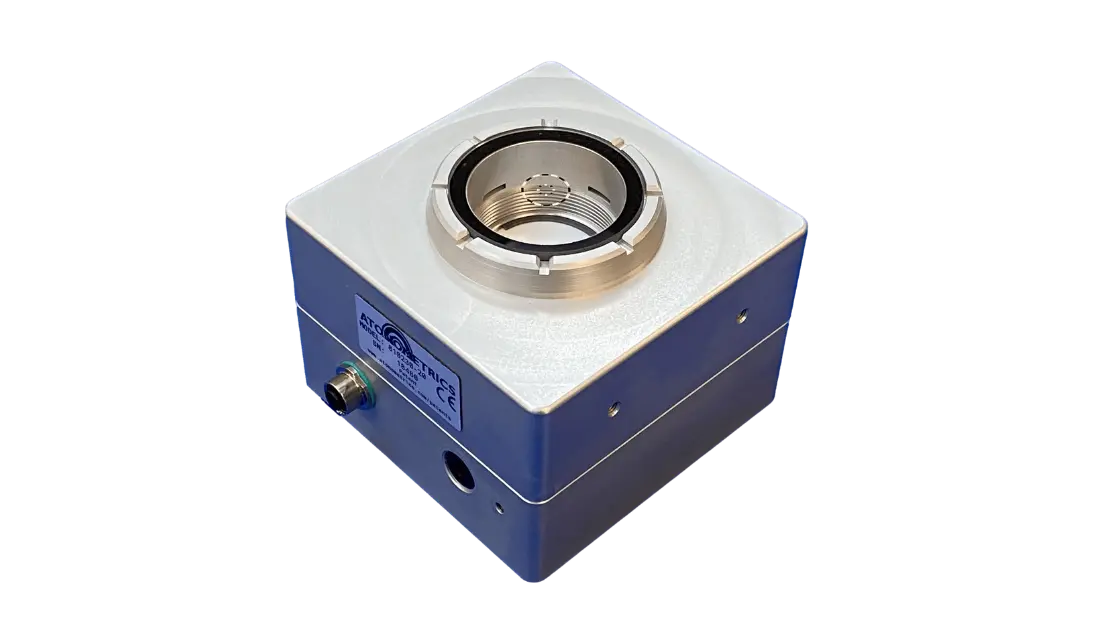
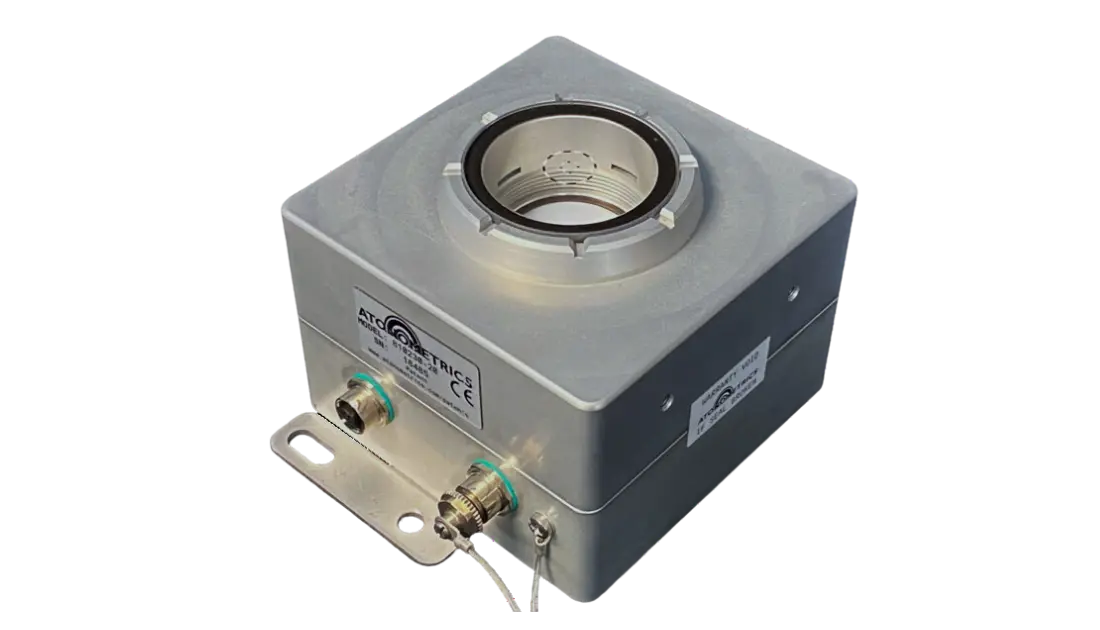
The PRPMA4100 sensor measures the soiling ratio of photovoltaic modules using innovative Mars optical technology. By taking photographs of the sensor screen at a distance of time, it enables an analysis of the deposition of soiling particles on the lens.
DATA SHEETS
Description
Description
The sensor that measures the degree of dirt of the photovoltaic modules
Its simple, maintenance-free operation enables users to reduce technician man-hours and produce panel soiling related efficiency loss measurements for PV systems at different scales. The sensor does not require site-specific calibration. By installing the sensor with the same orientation as the PV modules and subjecting it to the same washing operations, the soiling ratio of the modules can be obtained.
The sensor is useful for:
- Determining losses caused by soiling for monitoring PV performance;
- Optimize module washing schedules;
- Collect pre-construction prospecting data at new sites.
Install the sensor oriented like the PV modules to catch soiling particles. Wash the sensor each time you wash the PV array, to keep the cleanliness identical to that of the modules
Soiling
Highlights
- Mars’ innovative optical technology determines the soiling ratio by capturing and analyzing images of dust on the particle collection window;
- User-friendly sensor, simple and robust installation;
- Unlike other optical soiling sensor technologies, it does not require any site-specific calibration;
- Accessories: Cable for PRPMA4100 sensor, L=25 m – CCCFA0500;
- Model code: PRPMA4100.
FAQ: Frequently Asked Questions
What is a soiling sensor used for in photovoltaic systems?
The sensor measures the soiling ratio, an indicator of the reduction in photovoltaic performance associated with the accumulation of dust, sand, pollen, and other particles on the modules. The data make it possible to track soiling over time, assess related losses, and schedule cleaning according to actual site conditions. The sensor can also be used before a plant is built to characterise the soiling risk of the area.
How does the optical soiling sensor work?
The sensor uses optical technology to periodically capture images of the particles deposited on its collection window. Image processing evaluates the reduction in solar radiation transmission caused by the deposits and determines the soiling ratio. The system does not require site-specific calibration, provides a stated accuracy of ±1%, and features an RS485 Modbus-RTU output.
How should the sensor be installed and managed?
The sensor should be installed with the same orientation and inclination as the photovoltaic modules, so that its collection window is exposed to comparable deposition conditions. It should also be cleaned when the photovoltaic array is cleaned, restoring conditions comparable with those of the modules. The data can be used to analyse the soiling accumulation rate and support the planning of cleaning operations.
What is the difference between an optical soiling sensor and a system using two calibrated cells?
A system using two calibrated cells determines the soiling ratio by comparing a cell kept clean with one allowed to become soiled, providing a result directly related to photovoltaic response. The optical sensor analyses deposits on a single collection window and does not require a second clean cell. It therefore reduces dedicated maintenance, while calibrated cells provide greater representativeness of photovoltaic behaviour.
Product
PRPMA4100
Categories Meteo sensors, Sensors, Soiling
The sensor that measures the degree of dirt of the photovoltaic modules
Its simple, maintenance-free operation enables users to reduce technician man-hours and produce panel soiling related efficiency loss measurements for PV systems at different scales. The sensor does not require site-specific calibration. By installing the sensor with the same orientation as the PV modules and subjecting it to the same washing operations, the soiling ratio of the modules can be obtained.
The sensor is useful for:
- Determining losses caused by soiling for monitoring PV performance;
- Optimize module washing schedules;
- Collect pre-construction prospecting data at new sites.
Install the sensor oriented like the PV modules to catch soiling particles. Wash the sensor each time you wash the PV array, to keep the cleanliness identical to that of the modules
Soiling
Highlights
- Mars’ innovative optical technology determines the soiling ratio by capturing and analyzing images of dust on the particle collection window;
- User-friendly sensor, simple and robust installation;
- Unlike other optical soiling sensor technologies, it does not require any site-specific calibration;
- Accessories: Cable for PRPMA4100 sensor, L=25 m – CCCFA0500;
- Model code: PRPMA4100.
FAQ: Frequently Asked Questions
What is a soiling sensor used for in photovoltaic systems?
The sensor measures the soiling ratio, an indicator of the reduction in photovoltaic performance associated with the accumulation of dust, sand, pollen, and other particles on the modules. The data make it possible to track soiling over time, assess related losses, and schedule cleaning according to actual site conditions. The sensor can also be used before a plant is built to characterise the soiling risk of the area.
How does the optical soiling sensor work?
The sensor uses optical technology to periodically capture images of the particles deposited on its collection window. Image processing evaluates the reduction in solar radiation transmission caused by the deposits and determines the soiling ratio. The system does not require site-specific calibration, provides a stated accuracy of ±1%, and features an RS485 Modbus-RTU output.
How should the sensor be installed and managed?
The sensor should be installed with the same orientation and inclination as the photovoltaic modules, so that its collection window is exposed to comparable deposition conditions. It should also be cleaned when the photovoltaic array is cleaned, restoring conditions comparable with those of the modules. The data can be used to analyse the soiling accumulation rate and support the planning of cleaning operations.
What is the difference between an optical soiling sensor and a system using two calibrated cells?
A system using two calibrated cells determines the soiling ratio by comparing a cell kept clean with one allowed to become soiled, providing a result directly related to photovoltaic response. The optical sensor analyses deposits on a single collection window and does not require a second clean cell. It therefore reduces dedicated maintenance, while calibrated cells provide greater representativeness of photovoltaic behaviour.