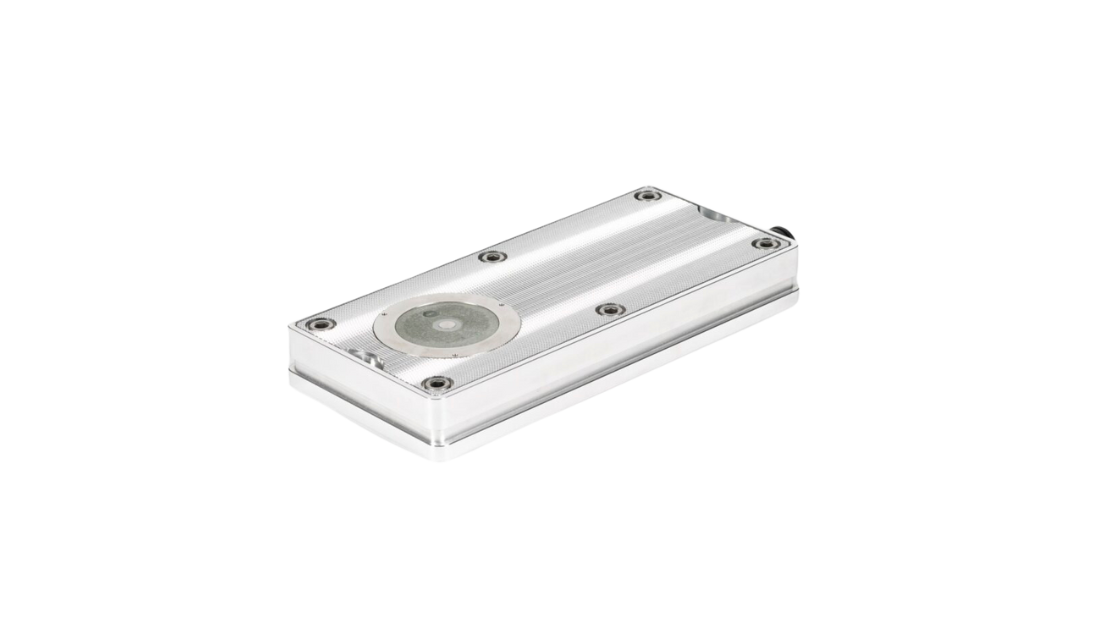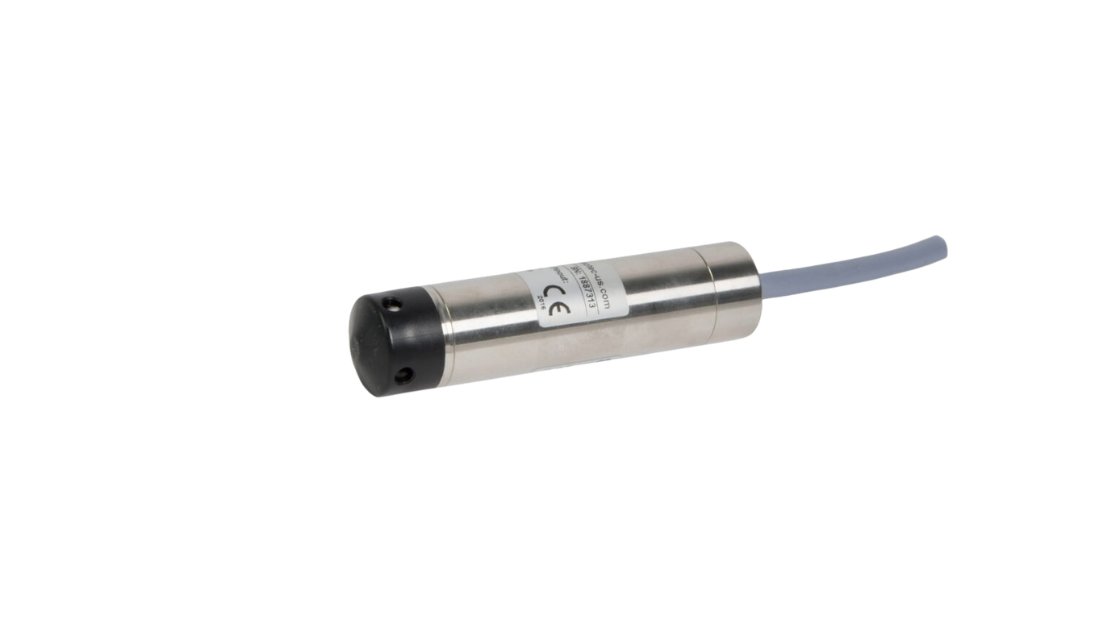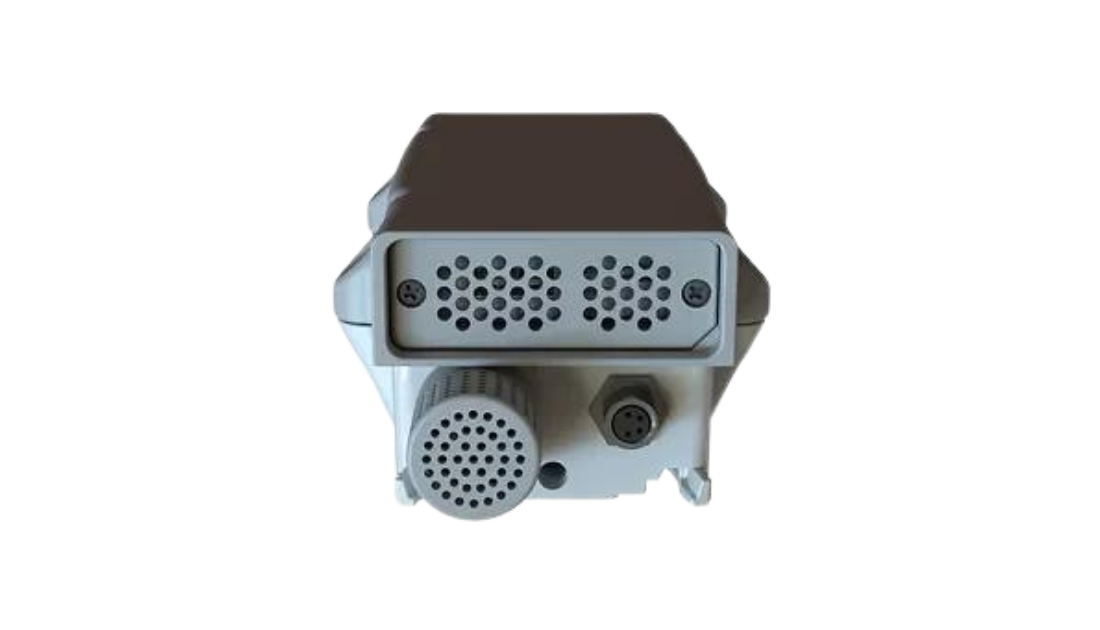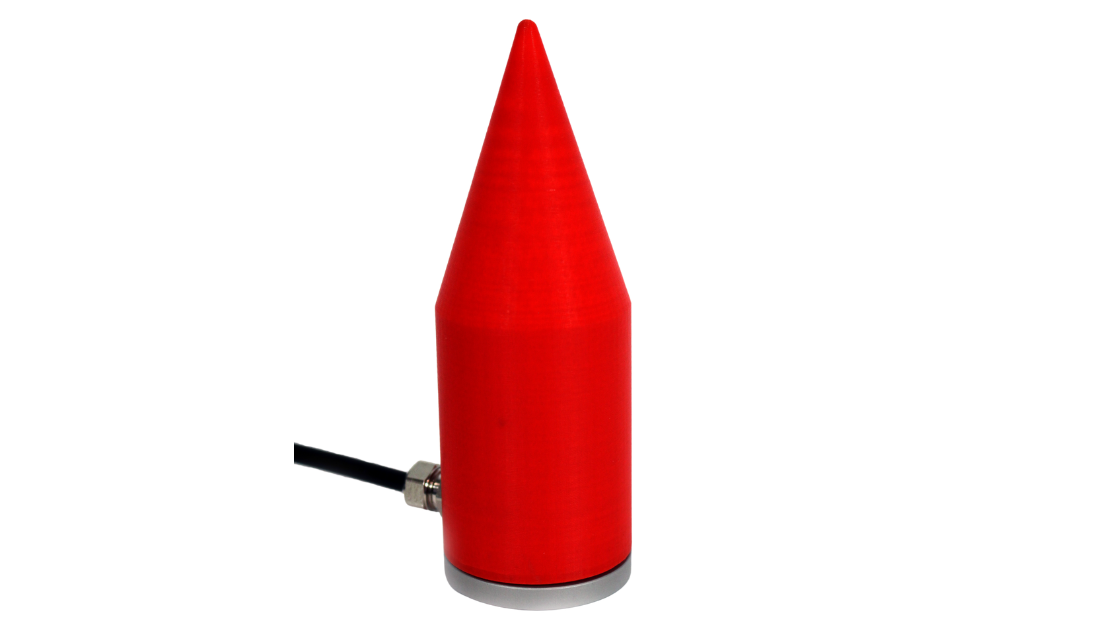
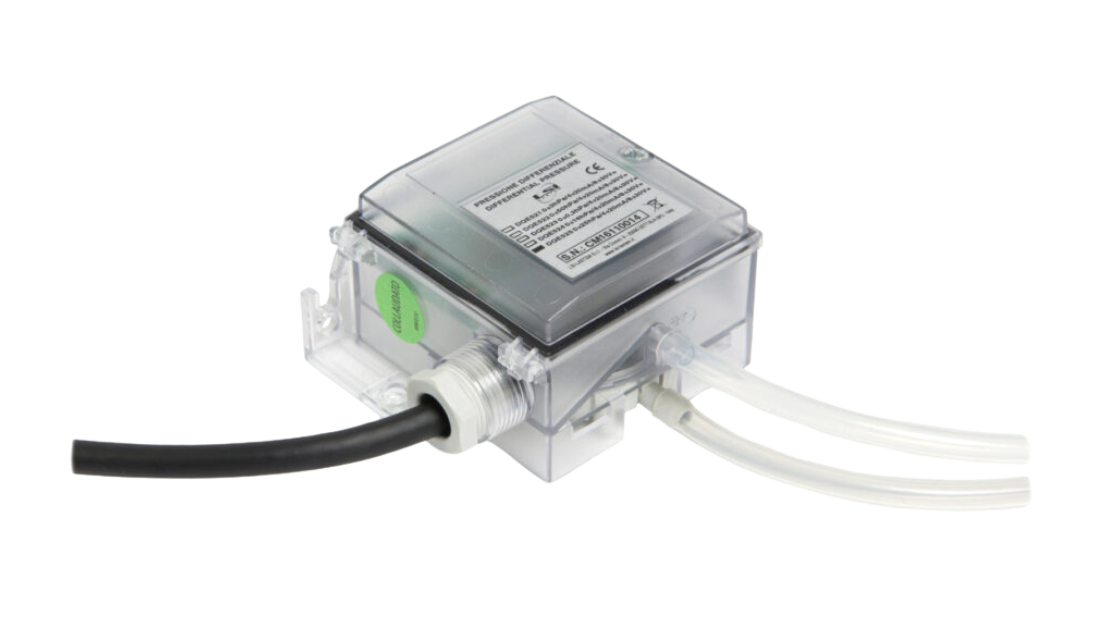
Storm front distance
For the measurement of electrical emissions into the atmosphere
Detection of the storm front distance (not lightning strike intensity) within an area of in 5÷40 km range. Utilizing a sensitive RF receiver and integrated proprietary algorithm, all models detect the electrical emissions from lightning activity and then provide for an estimation of the distance to the head of the storm from 40 km away, while rejecting disturbances from manmade signals such as motors and microwave ovens.
The estimated distance which is detected idoes not represent the distance to the single lightning but the estimated distance to the leading edge of the storm.
DATA SHEETS
Description
Description
Storm front distance
Highlights
- It detects electrical emissions from lightning activity and then provides an estimation of the distance to the head of the storm, from 40 km away down to 5 km.;
- It detects cloud flashes to ground and intra-cloud (cloud to cloud) activities;
- The sensor measures distance between itself and storm front;
- Reading of electromagnetic emission from the lightning sparks (typically at 400 KHz);
- Model codes: DQA601.1, DQA601A.3, DQA601.2.
FAQ: Frequently Asked Questions
What does the storm-front distance sensor measure?
The sensor detects electromagnetic emissions generated by lightning and estimates the distance of the storm front within a range of 5 to 40 km. The value does not indicate the distance, intensity, or direction of an individual lightning strike, but the approximate distance from the area where the storm’s electrical activity is concentrated.
How does storm-front detection work?
The device uses an RF receiver operating at around 400 kHz to detect cloud-to-ground and intra-cloud discharges. An integrated algorithm analyses the received signals, estimates the distance of the storm front, and filters electromagnetic interference of human origin, helping reduce false detections.
In which applications can the sensor be used?
The sensor is suitable for airports, ports, railways, industrial sites, logistics facilities, photovoltaic and wind farms, agricultural operations, sports facilities, and public areas. Monitoring storm distance can support safety procedures, suspension of exposed activities, and protection of people, equipment, and infrastructure.
How can the sensor be integrated into a monitoring and alarm system?
Depending on the model, the sensor can be connected directly to Alpha-Log via RS232 or integrated through a Modbus Sensor Box using the RS485 Modbus-RTU protocol. The system can then record and transmit data and manage notifications or alarms via SMS, email, FTP, MQTT, and cloud services, depending on the selected configuration.
Additional information
Additional information
| Grandezze | |
|---|---|
| Applications | Agro-meteorology, Airports and roads, Hydrology, Meteo observations, Ports and railways, Renewable energies |
Product
DQA601.1-DQA601A.3-DQA601.2
Categories Meteo sensors, Sensors, Strorm front distance
Storm front distance
Highlights
- It detects electrical emissions from lightning activity and then provides an estimation of the distance to the head of the storm, from 40 km away down to 5 km.;
- It detects cloud flashes to ground and intra-cloud (cloud to cloud) activities;
- The sensor measures distance between itself and storm front;
- Reading of electromagnetic emission from the lightning sparks (typically at 400 KHz);
- Model codes: DQA601.1, DQA601A.3, DQA601.2.
FAQ: Frequently Asked Questions
What does the storm-front distance sensor measure?
The sensor detects electromagnetic emissions generated by lightning and estimates the distance of the storm front within a range of 5 to 40 km. The value does not indicate the distance, intensity, or direction of an individual lightning strike, but the approximate distance from the area where the storm’s electrical activity is concentrated.
How does storm-front detection work?
The device uses an RF receiver operating at around 400 kHz to detect cloud-to-ground and intra-cloud discharges. An integrated algorithm analyses the received signals, estimates the distance of the storm front, and filters electromagnetic interference of human origin, helping reduce false detections.
In which applications can the sensor be used?
The sensor is suitable for airports, ports, railways, industrial sites, logistics facilities, photovoltaic and wind farms, agricultural operations, sports facilities, and public areas. Monitoring storm distance can support safety procedures, suspension of exposed activities, and protection of people, equipment, and infrastructure.
How can the sensor be integrated into a monitoring and alarm system?
Depending on the model, the sensor can be connected directly to Alpha-Log via RS232 or integrated through a Modbus Sensor Box using the RS485 Modbus-RTU protocol. The system can then record and transmit data and manage notifications or alarms via SMS, email, FTP, MQTT, and cloud services, depending on the selected configuration.