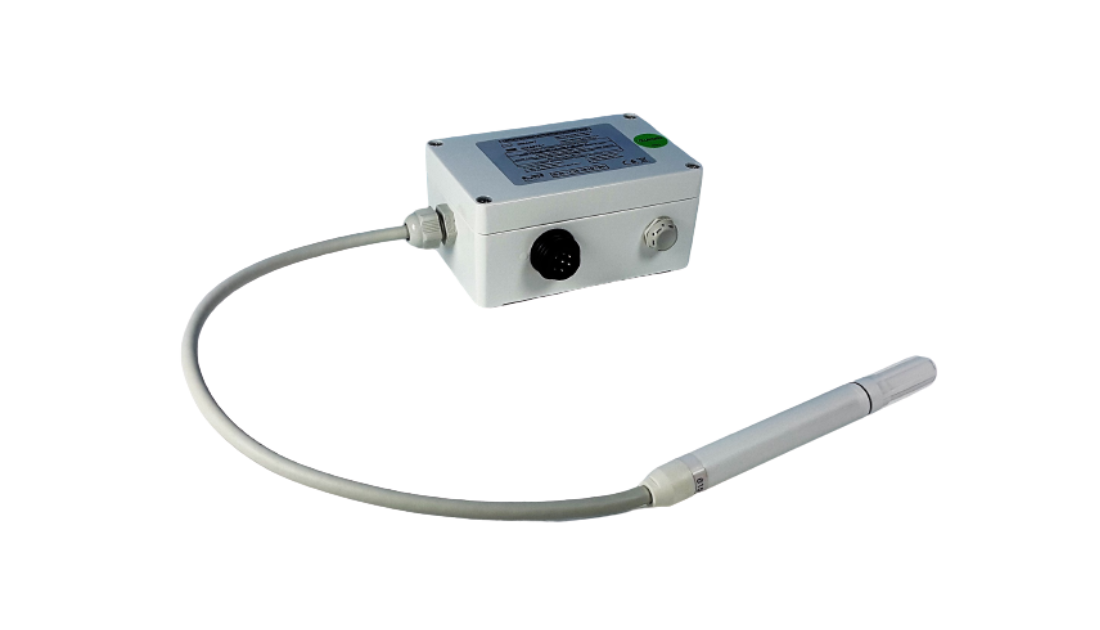
Rain presence
Sensor for measuring the presence of precipitation
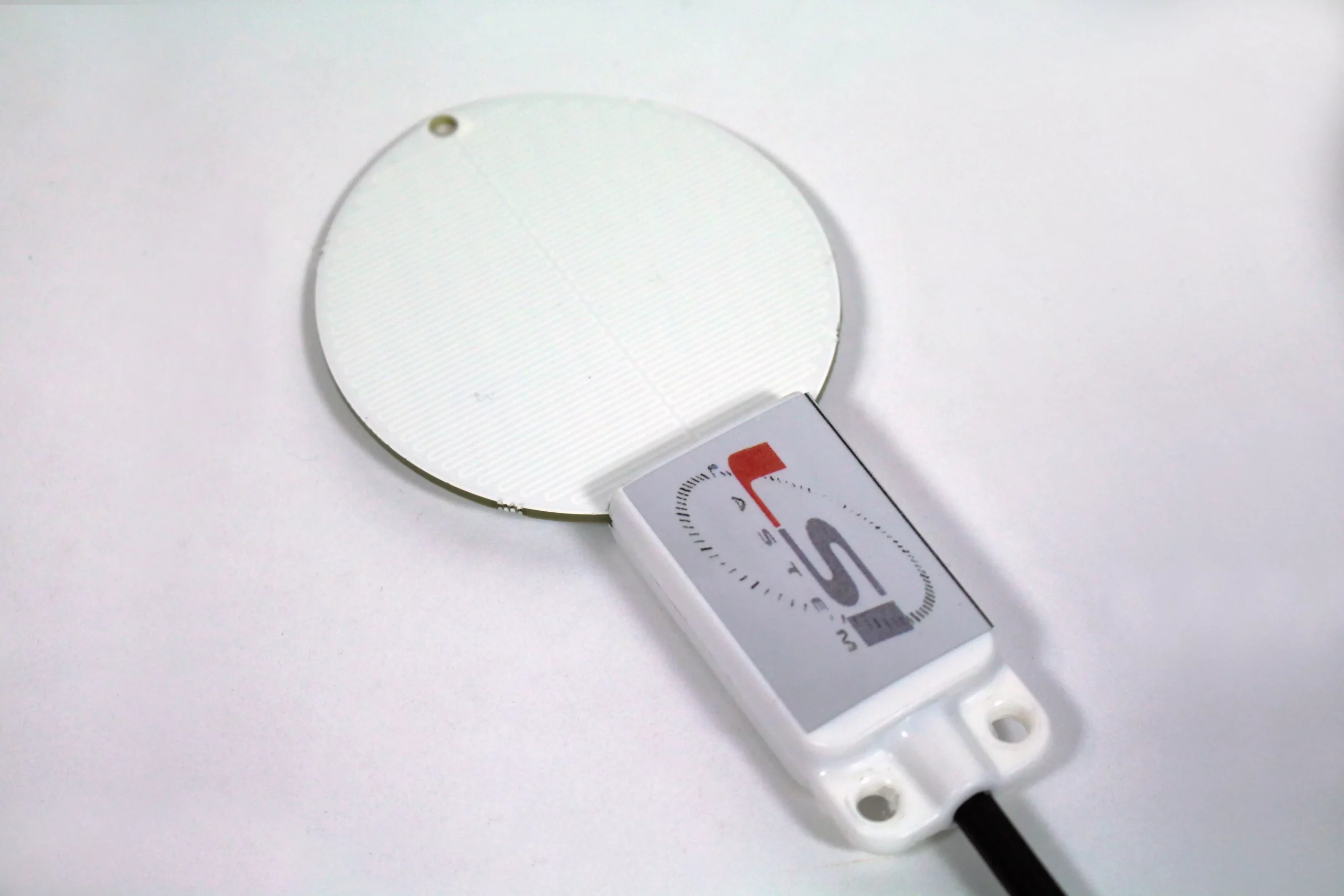
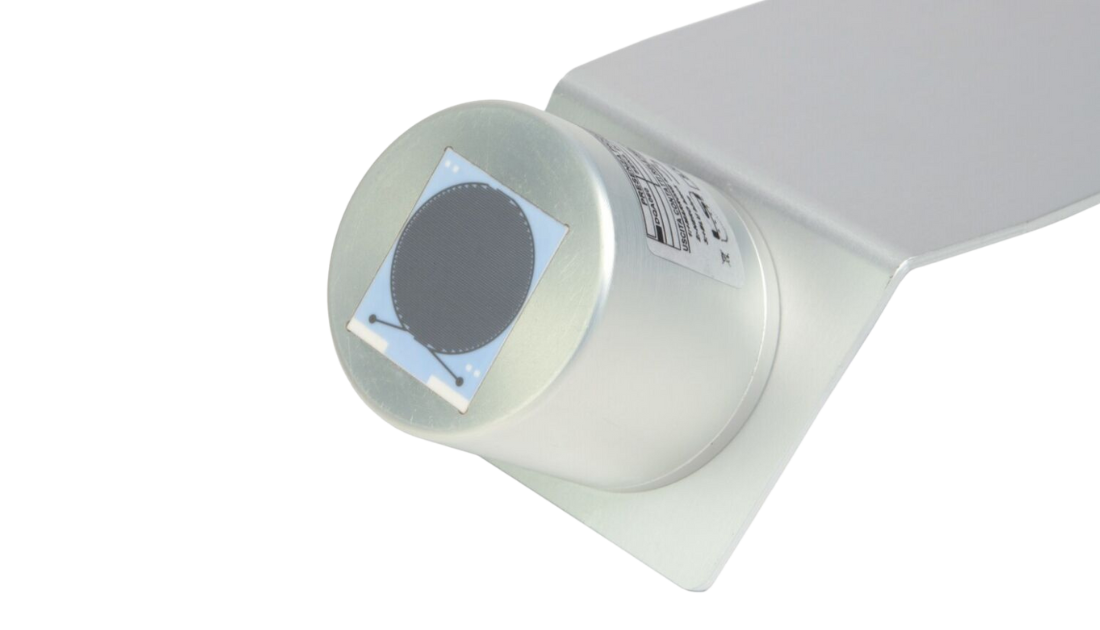
Rain presence sensor is used when it is necessary to discriminate between rainfall and condensation. The measurement principle employed is that of conductivity between two electrodes; these are kept above environmental temperature by heaters in order to prevent condensation.
DATA SHEETS
Description
Description
Rain presence
Highlights
- Heated sensor for avoiding valse measurement due to dew;
- Relay contact when rain starts;
- Direct connection to pole 45÷65 mm diameter;
- Model code: DQA060.
FAQ: Frequently Asked Questions
What is a rain presence sensor used for, and in which applications is it used?
The sensor quickly detects the start of precipitation and generates a signal that can be used by monitoring, control, or alarm systems. It can be used in weather stations, industrial automation, agriculture and irrigation, greenhouse management, ventilation system control, and road monitoring to activate warnings or safety procedures. Unlike a rain gauge, it indicates the presence of rain but does not measure its amount or intensity.
How does the LSI LASTEM rain presence sensor work?
The sensor detects the electrical variation produced by water droplets on the surface between two electrodes. When rain begins, the device opens the reed relay contact, providing a simple signal that can be acquired and used to activate automatic procedures.
How does it distinguish rain from condensation?
The sensitive surface is kept at a temperature above ambient by an integrated heater. This limits condensation and reduces the risk of false detections, allowing the sensor to distinguish more effectively between surface moisture and actual precipitation.
How is the rain presence sensor installed and integrated?
The sensor can be mounted on poles with a diameter between 45 and 65 mm and has IP66 protection. The reed relay contact output can be acquired by LSI LASTEM E-Log and Alpha-Log data loggers through the ALIEM module or integrated into other compatible systems.
Additional information
Additional information
| Applications | Agro-meteorology, First rain, Meteo observations, Waste cycle |
|---|---|
| Grandezze |
Product
DQA060
Categories Meteo sensors, Rain presence, Sensors
Rain presence
Highlights
- Heated sensor for avoiding valse measurement due to dew;
- Relay contact when rain starts;
- Direct connection to pole 45÷65 mm diameter;
- Model code: DQA060.
FAQ: Frequently Asked Questions
What is a rain presence sensor used for, and in which applications is it used?
The sensor quickly detects the start of precipitation and generates a signal that can be used by monitoring, control, or alarm systems. It can be used in weather stations, industrial automation, agriculture and irrigation, greenhouse management, ventilation system control, and road monitoring to activate warnings or safety procedures. Unlike a rain gauge, it indicates the presence of rain but does not measure its amount or intensity.
How does the LSI LASTEM rain presence sensor work?
The sensor detects the electrical variation produced by water droplets on the surface between two electrodes. When rain begins, the device opens the reed relay contact, providing a simple signal that can be acquired and used to activate automatic procedures.
How does it distinguish rain from condensation?
The sensitive surface is kept at a temperature above ambient by an integrated heater. This limits condensation and reduces the risk of false detections, allowing the sensor to distinguish more effectively between surface moisture and actual precipitation.
How is the rain presence sensor installed and integrated?
The sensor can be mounted on poles with a diameter between 45 and 65 mm and has IP66 protection. The reed relay contact output can be acquired by LSI LASTEM E-Log and Alpha-Log data loggers through the ALIEM module or integrated into other compatible systems.