Noise
Noise sensor
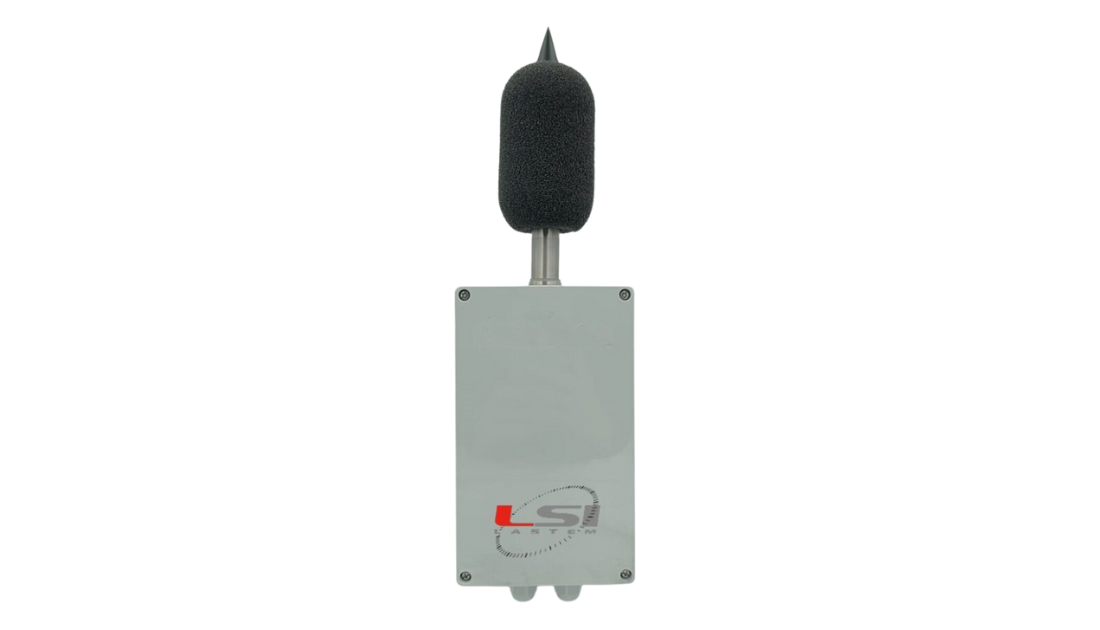
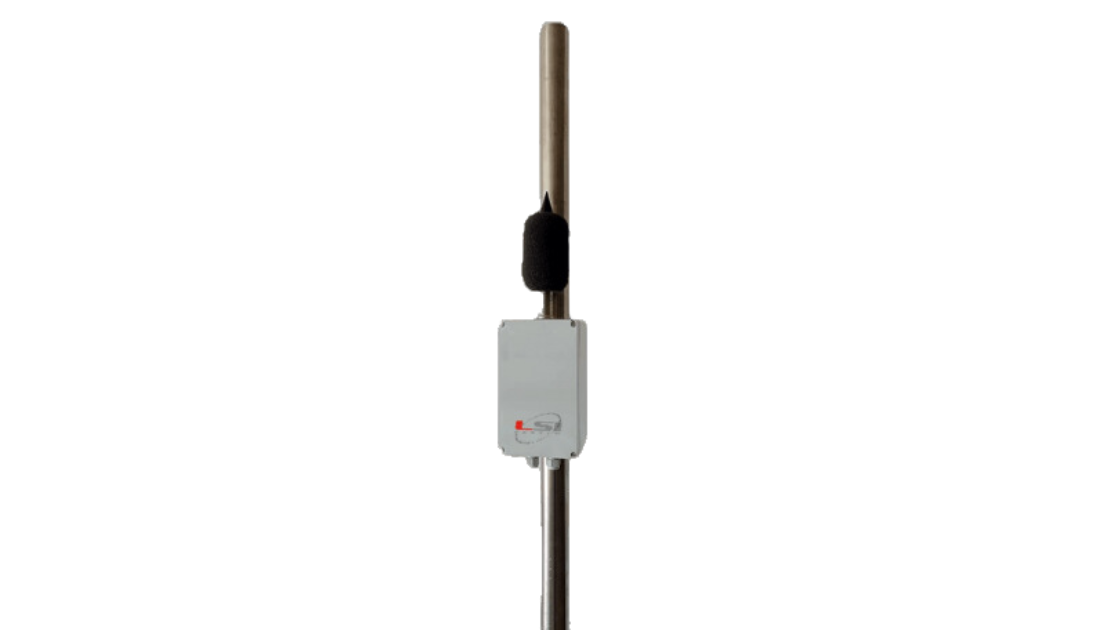
The PRSLA1000 sensor measures the equivalent continuous A-frequency-weighted sound level in a single range of 35-120 dBA.
The integration time is configurable between 1s and 1 min.
Measurement is continuous 24 hours/7 days a week. This sensor finds its typical use in combination with an LSI LASTEM acquisition system for indoor (Noise module in IEQ application) and outdoor measurements (environmental noise measurements) also in combination with meteorological sensors.
DATA SHEETS
Description
Description
Noise sensor
The PRSLA1000 brings together in a single small device the precision of a Class 1 sound sensor, with high precision and reliability even outdoors thanks to the IP65 protection rating and protection against rain, snow, wind, dust and birds.
Integration with LSI LASTEM data loggers is achieved with its 4…20 mA output.
The PRSLA1000 requires minimal annual maintenance and can be verified with an acoustic calibrator (IEC 60942) model BSC010.
Noise
Highlights
- Continuous measurement (24h/7gg) with class 1 accuracy according to IEC 61672-1;
- LAeq measurement with configurable integration time from 1 s to 1 min;
- Output 4…20 mA;
- Connection to LSI LASTEM or third-party data acquisition systems;
- Indoor and outdoor use with IP65 protection. For IEQ (Indoor Environmental Quality) measurements or external environmental noise;
- Mains power supply 230 Vac, 12 VDC (solar panels, external batteries);
- Accessories for fixing to a pole or indoor stand and signal and power cables.
- Model code: PRSLA1000.
Accessories
- BVA327 Mounting accessory to fix PRSLA1000 to BVA305 stand;
- DYA054 Mounting accessory to fix PRSLA1000 to a pole;
- BSC010 Class 1 Calibrator.
FAQ: Frequently Asked Questions
What is a sensor for continuous noise monitoring used for?
The sensor continuously measures the A-weighted equivalent continuous sound level, LAeq, making it possible to track how noise changes over time. It can be used for acoustic monitoring in urban, industrial, and infrastructure areas, for example near roads, railways, airports, construction sites, and production facilities. Noise data can also be acquired together with meteorological parameters to assess how wind, rain, and other atmospheric conditions influence sound propagation.
What is the equivalent continuous sound level LAeq?
LAeq is the continuous sound level that, over the same measurement interval, contains the same acoustic energy as the variable noise actually recorded. It is one of the most widely used parameters for describing noise exposure over time. The sensor applies A-frequency weighting, which reflects the different sensitivity of the human ear to sound frequencies, and allows integration times from 1 second to 1 minute to be selected.
What does Class 1 accuracy mean for a noise sensor?
Class 1, defined by IEC 61672-1, identifies instruments with stricter tolerances and performance requirements than Class 2 devices. The sensor measures up to 120 dBA, with a linearity range from 35 to 120 dBA and a resolution of 0.1 dB. These characteristics make it suitable for continuous acoustic monitoring where high accuracy, stability, and measurement repeatability are required.
How can the sensor be integrated into an environmental monitoring system?
The 4…20 mA output allows the sensor to be connected to LSI LASTEM data loggers or other compatible acquisition systems. Sound level data can therefore be recorded, transmitted, and analysed together with other environmental parameters, such as wind speed and direction, temperature, humidity, and precipitation. The sensor is designed for continuous operation and can be checked in the field using an acoustic calibrator compliant with IEC 60942.
Additional information
Additional information
| Grandezze | |
|---|---|
| Applications | Airports and roads, IEQ and environmental comfort, Ports and railways |
Product
PRSLA1000
Categories Meteo sensors, Noise, Sensors
Noise sensor
The PRSLA1000 brings together in a single small device the precision of a Class 1 sound sensor, with high precision and reliability even outdoors thanks to the IP65 protection rating and protection against rain, snow, wind, dust and birds.
Integration with LSI LASTEM data loggers is achieved with its 4…20 mA output.
The PRSLA1000 requires minimal annual maintenance and can be verified with an acoustic calibrator (IEC 60942) model BSC010.
Noise
Highlights
- Continuous measurement (24h/7gg) with class 1 accuracy according to IEC 61672-1;
- LAeq measurement with configurable integration time from 1 s to 1 min;
- Output 4…20 mA;
- Connection to LSI LASTEM or third-party data acquisition systems;
- Indoor and outdoor use with IP65 protection. For IEQ (Indoor Environmental Quality) measurements or external environmental noise;
- Mains power supply 230 Vac, 12 VDC (solar panels, external batteries);
- Accessories for fixing to a pole or indoor stand and signal and power cables.
- Model code: PRSLA1000.
Accessories
- BVA327 Mounting accessory to fix PRSLA1000 to BVA305 stand;
- DYA054 Mounting accessory to fix PRSLA1000 to a pole;
- BSC010 Class 1 Calibrator.
FAQ: Frequently Asked Questions
What is a sensor for continuous noise monitoring used for?
The sensor continuously measures the A-weighted equivalent continuous sound level, LAeq, making it possible to track how noise changes over time. It can be used for acoustic monitoring in urban, industrial, and infrastructure areas, for example near roads, railways, airports, construction sites, and production facilities. Noise data can also be acquired together with meteorological parameters to assess how wind, rain, and other atmospheric conditions influence sound propagation.
What is the equivalent continuous sound level LAeq?
LAeq is the continuous sound level that, over the same measurement interval, contains the same acoustic energy as the variable noise actually recorded. It is one of the most widely used parameters for describing noise exposure over time. The sensor applies A-frequency weighting, which reflects the different sensitivity of the human ear to sound frequencies, and allows integration times from 1 second to 1 minute to be selected.
What does Class 1 accuracy mean for a noise sensor?
Class 1, defined by IEC 61672-1, identifies instruments with stricter tolerances and performance requirements than Class 2 devices. The sensor measures up to 120 dBA, with a linearity range from 35 to 120 dBA and a resolution of 0.1 dB. These characteristics make it suitable for continuous acoustic monitoring where high accuracy, stability, and measurement repeatability are required.
How can the sensor be integrated into an environmental monitoring system?
The 4…20 mA output allows the sensor to be connected to LSI LASTEM data loggers or other compatible acquisition systems. Sound level data can therefore be recorded, transmitted, and analysed together with other environmental parameters, such as wind speed and direction, temperature, humidity, and precipitation. The sensor is designed for continuous operation and can be checked in the field using an acoustic calibrator compliant with IEC 60942.