Surface temperature
Contact temperature sensors.
DATA SHEETS
Description
Description
Sensors for measuring the surface temperature even in severe environments
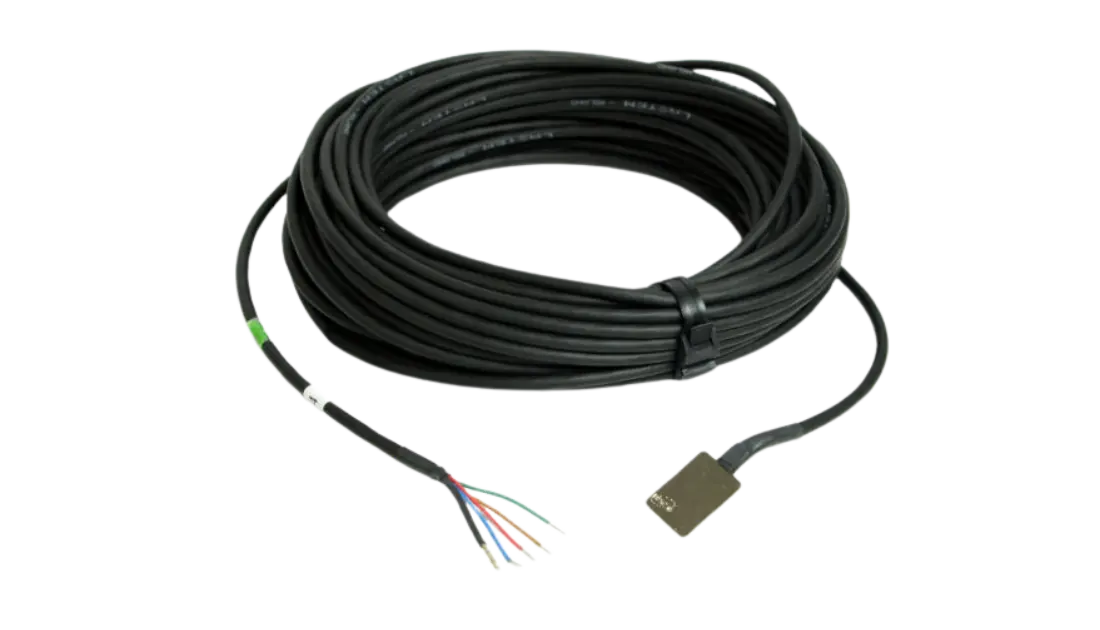
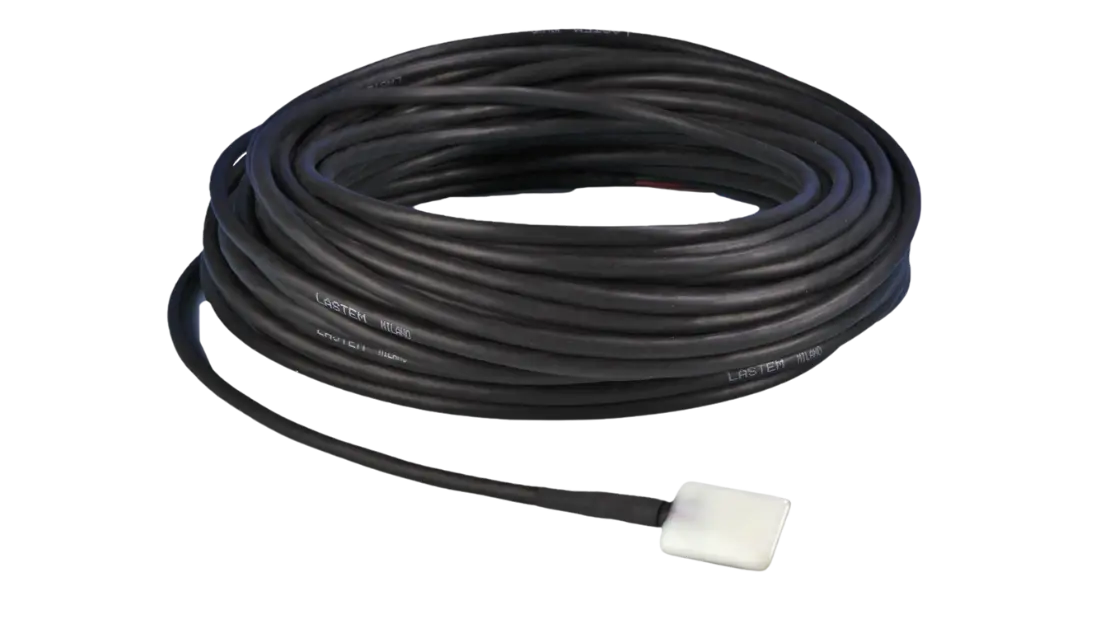
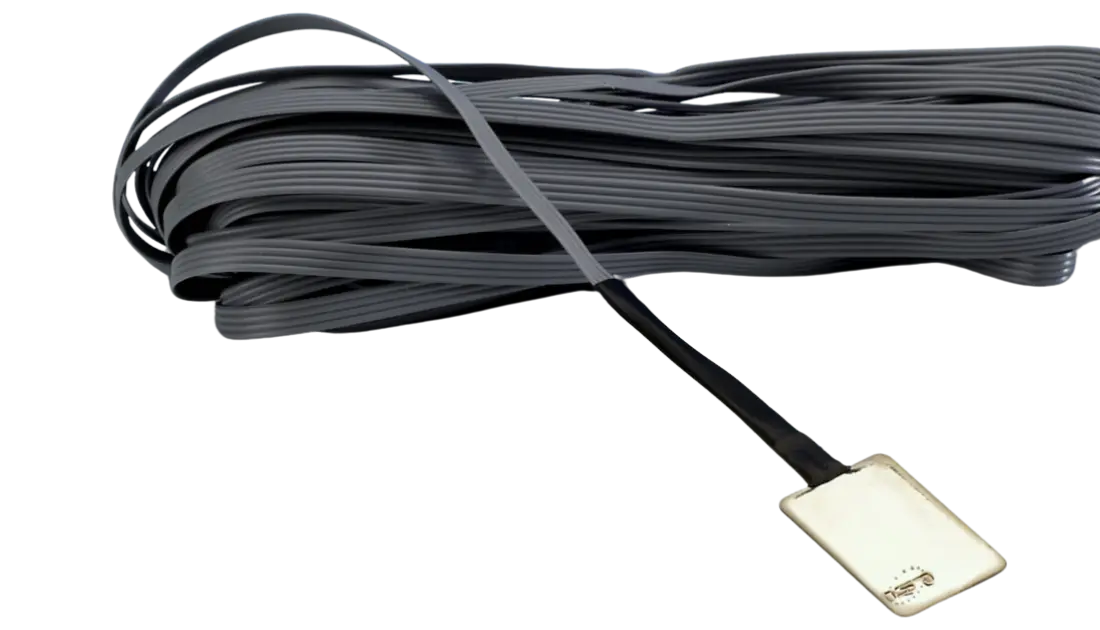
Plate-made sensor for surface temperature measurements, ideal for measuring the surface temperature of solar panels. The compact size allows it to be installed even in small spaces. It can be easily fixed using sylicon, adhesive band or thermoconductive paste. The thermally conductive paste facilitates heat exchange.
Surface temperature
Highlights
- Robust sensor for outdoor application even in severe environmental conditions;
- 4-wires Pt100 technology for long distance cable connections;
- Ideal for PV module surface temperature measurements;
- Pt100 1/3 DIN B Class AA sensitive element for outstanding accuracy (0.1°C);
- Accessories for 4-20 mA and RS485 signal output;
- In house ISO17025 accreditate calibration laboratory;
- Model codes: DLE124A, DLE124A.1, EST124.
FAQ: Frequently Asked Questions
What is a contact temperature sensor used for?
A contact temperature sensor directly measures the surface temperature of a material or component. It is useful when air temperature alone is not sufficient to describe the thermal behaviour of a surface, for example on walls, photovoltaic modules, systems, and monitored objects.
What are the main applications of surface temperature sensors?
In museums, they can monitor the temperature of walls, display cases, or objects, supporting the assessment of conservation conditions and condensation risk. In energy efficiency applications, they are used together with heat flux and air temperature sensors to analyse heat loss and the thermal transmittance of building elements. In solar installations, they measure module temperature, an important parameter for correctly interpreting system performance.
How should a contact temperature sensor be installed?
The sensor must adhere properly to the surface, avoiding air gaps that could slow heat transfer and affect the measurement. LSI LASTEM probes can be fixed using silicone or double-sided adhesive tape, while thermal paste can improve contact and response time.
What does the reliability of surface temperature measurement depend on?
Reliability depends on the quality of the sensing element, the contact with the surface, correct positioning, and calibration. LSI LASTEM sensors use a four-wire Pt100, Class AA 1/3 DIN B, with a declared accuracy of 0.1 °C; they are also suitable for harsh outdoor environments and can be supplied with calibration certificates from the internal ISO/IEC 17025 accredited laboratory.
Additional information
Additional information
| Grandezze | |
|---|---|
| Applications | Agro-meteorology, Meteo observations, Museums and archaeological sites |
Product
N/A
Categories Meteo sensors, Sensors, Temperature
Sensors for measuring the surface temperature even in severe environments
Plate-made sensor for surface temperature measurements, ideal for measuring the surface temperature of solar panels. The compact size allows it to be installed even in small spaces. It can be easily fixed using sylicon, adhesive band or thermoconductive paste. The thermally conductive paste facilitates heat exchange.
Surface temperature
Highlights
- Robust sensor for outdoor application even in severe environmental conditions;
- 4-wires Pt100 technology for long distance cable connections;
- Ideal for PV module surface temperature measurements;
- Pt100 1/3 DIN B Class AA sensitive element for outstanding accuracy (0.1°C);
- Accessories for 4-20 mA and RS485 signal output;
- In house ISO17025 accreditate calibration laboratory;
- Model codes: DLE124A, DLE124A.1, EST124.
FAQ: Frequently Asked Questions
What is a contact temperature sensor used for?
A contact temperature sensor directly measures the surface temperature of a material or component. It is useful when air temperature alone is not sufficient to describe the thermal behaviour of a surface, for example on walls, photovoltaic modules, systems, and monitored objects.
What are the main applications of surface temperature sensors?
In museums, they can monitor the temperature of walls, display cases, or objects, supporting the assessment of conservation conditions and condensation risk. In energy efficiency applications, they are used together with heat flux and air temperature sensors to analyse heat loss and the thermal transmittance of building elements. In solar installations, they measure module temperature, an important parameter for correctly interpreting system performance.
How should a contact temperature sensor be installed?
The sensor must adhere properly to the surface, avoiding air gaps that could slow heat transfer and affect the measurement. LSI LASTEM probes can be fixed using silicone or double-sided adhesive tape, while thermal paste can improve contact and response time.
What does the reliability of surface temperature measurement depend on?
Reliability depends on the quality of the sensing element, the contact with the surface, correct positioning, and calibration. LSI LASTEM sensors use a four-wire Pt100, Class AA 1/3 DIN B, with a declared accuracy of 0.1 °C; they are also suitable for harsh outdoor environments and can be supplied with calibration certificates from the internal ISO/IEC 17025 accredited laboratory.