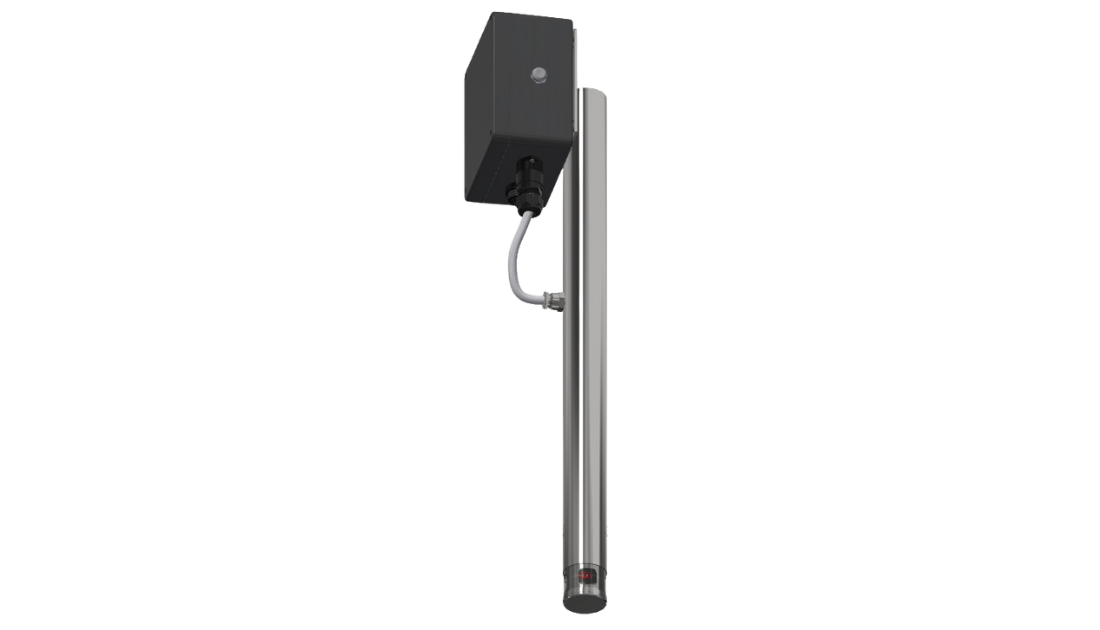
Differential pressure
Piezoresistive sensors for measuring differential pressure
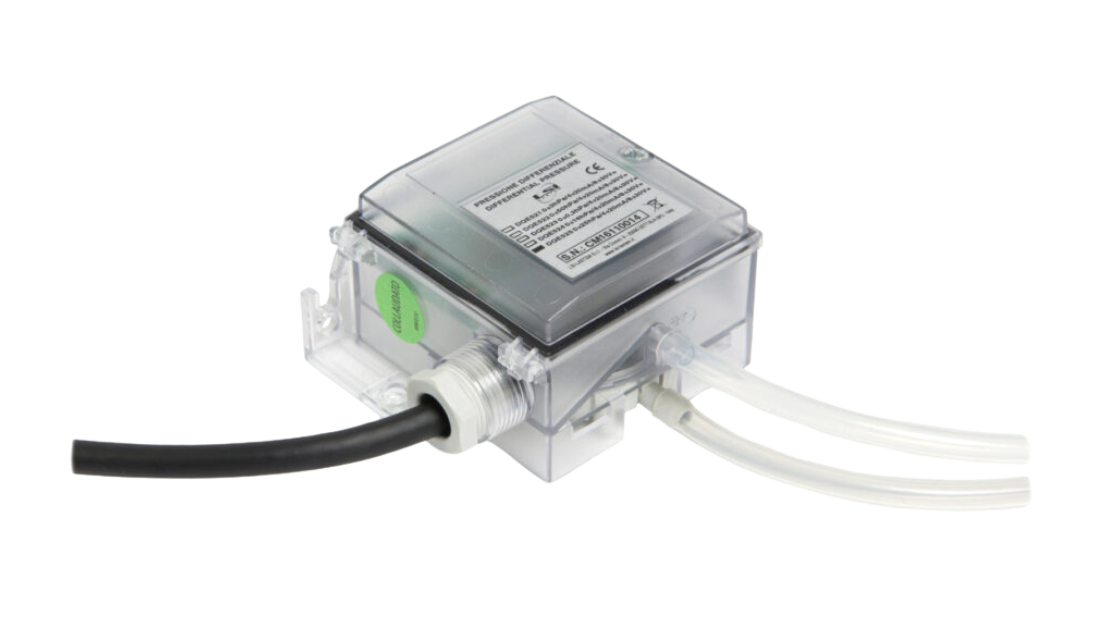
Differential pressure sensors for air and for non-corrosive and non-ionic gases. This sensor measures the pressure in two distinct environments using two silicone tubes and directly provides the difference of the two measurements.
They can be used together with Pitot tubes to measure air velocity. LSI LASTEM sensors can directly calculate the air velocity from the differential pressure measurement.
DATA SHEETS
Description
Description
Differential pressure
Highlights
- Piezometric differential pressure sensors;
- Measurement of the pressure in the two environments using the included silicon tubes. The sensor directly provides the difference of the two values;
- Typical sector in which differential pressure sensor is applied is HVAC: verification of filters in the pipes, measurement of air flow in ventilation systems, testing of over-pressure environments;
- Suitable for measuring the air speed when connected to Pitot tubes. When used with LSI LASTEM’s data loggers, air speed values are directly calculated in m/s. Air flow and Air changes are also provided;
- Laboratorio interno accreditato ISO17025 per la velocità dell’aria con tubi di Pitot;
- Model codes: DQE524, ESP024.
FAQ: Frequently Asked Questions
Why is differential pressure measurement important in ventilation ducts?
Differential pressure compares the pressure between two points in a duct or HVAC system and provides useful information about airflow behaviour. It can be used to assess pressure losses, check system operation and, when combined with a Pitot tube, determine air velocity. When connected to LSI LASTEM data loggers, the measurement can also be used to calculate air flow rate and the number of air changes.
How is differential pressure used to monitor filter clogging?
An air filter creates a pressure drop between its upstream and downstream sides. At a given airflow, this differential pressure increases as the filter becomes loaded with particles. Monitoring the pressure difference therefore helps assess filter condition and schedule maintenance according to actual operating conditions, avoiding both premature replacement and operation with an excessively clogged filter.
Where else is differential pressure monitoring useful?
Differential pressure is also important wherever a controlled pressure difference must be maintained between adjacent spaces. Typical applications include clean rooms, laboratories, production areas and healthcare facilities, where positive or negative room pressure helps ensure that air moves in the intended direction. CDC guidance, for example, recommends monitoring pressure differentials in healthcare areas with special ventilation requirements.
How can an LSI LASTEM differential pressure sensor measure air velocity and flow rate?
LSI LASTEM DQE524 and ESP024 sensors can be connected to a Pitot tube, which generates a differential pressure related to the velocity of air flowing through a duct. LSI LASTEM data loggers can process this measurement to calculate air velocity directly and, once the duct geometry is configured, also determine air flow rate and the number of air changes. LSI LASTEM also operates an internal ISO/IEC 17025 accredited laboratory for air velocity measurements using Pitot tubes.
Additional information
Additional information
| Grandezze | |
|---|---|
| Applications |
Product
pressione-differenziale
Categories Differential pressure, Indoor sensors, Sensors
Differential pressure
Highlights
- Piezometric differential pressure sensors;
- Measurement of the pressure in the two environments using the included silicon tubes. The sensor directly provides the difference of the two values;
- Typical sector in which differential pressure sensor is applied is HVAC: verification of filters in the pipes, measurement of air flow in ventilation systems, testing of over-pressure environments;
- Suitable for measuring the air speed when connected to Pitot tubes. When used with LSI LASTEM’s data loggers, air speed values are directly calculated in m/s. Air flow and Air changes are also provided;
- Laboratorio interno accreditato ISO17025 per la velocità dell’aria con tubi di Pitot;
- Model codes: DQE524, ESP024.
FAQ: Frequently Asked Questions
Why is differential pressure measurement important in ventilation ducts?
Differential pressure compares the pressure between two points in a duct or HVAC system and provides useful information about airflow behaviour. It can be used to assess pressure losses, check system operation and, when combined with a Pitot tube, determine air velocity. When connected to LSI LASTEM data loggers, the measurement can also be used to calculate air flow rate and the number of air changes.
How is differential pressure used to monitor filter clogging?
An air filter creates a pressure drop between its upstream and downstream sides. At a given airflow, this differential pressure increases as the filter becomes loaded with particles. Monitoring the pressure difference therefore helps assess filter condition and schedule maintenance according to actual operating conditions, avoiding both premature replacement and operation with an excessively clogged filter.
Where else is differential pressure monitoring useful?
Differential pressure is also important wherever a controlled pressure difference must be maintained between adjacent spaces. Typical applications include clean rooms, laboratories, production areas and healthcare facilities, where positive or negative room pressure helps ensure that air moves in the intended direction. CDC guidance, for example, recommends monitoring pressure differentials in healthcare areas with special ventilation requirements.
How can an LSI LASTEM differential pressure sensor measure air velocity and flow rate?
LSI LASTEM DQE524 and ESP024 sensors can be connected to a Pitot tube, which generates a differential pressure related to the velocity of air flowing through a duct. LSI LASTEM data loggers can process this measurement to calculate air velocity directly and, once the duct geometry is configured, also determine air flow rate and the number of air changes. LSI LASTEM also operates an internal ISO/IEC 17025 accredited laboratory for air velocity measurements using Pitot tubes.