

Air temperature alone is not enough to assess thermal comfort and stress. Humidity, air speed and radiation interact with metabolic activity and clothing, changing heat exchange. In microclimate assessments, standardised indices provide an effective evaluation of a person’s thermal experience.
ISO 7726:2025 defines instruments and methods for microclimate assessment. The most important parameters include air temperature, mean radiant temperature, humidity and air speed; naturally ventilated wet-bulb temperature is added in some applications. LSI LASTEM has developed instruments and stations for microclimate monitoring since 1980.
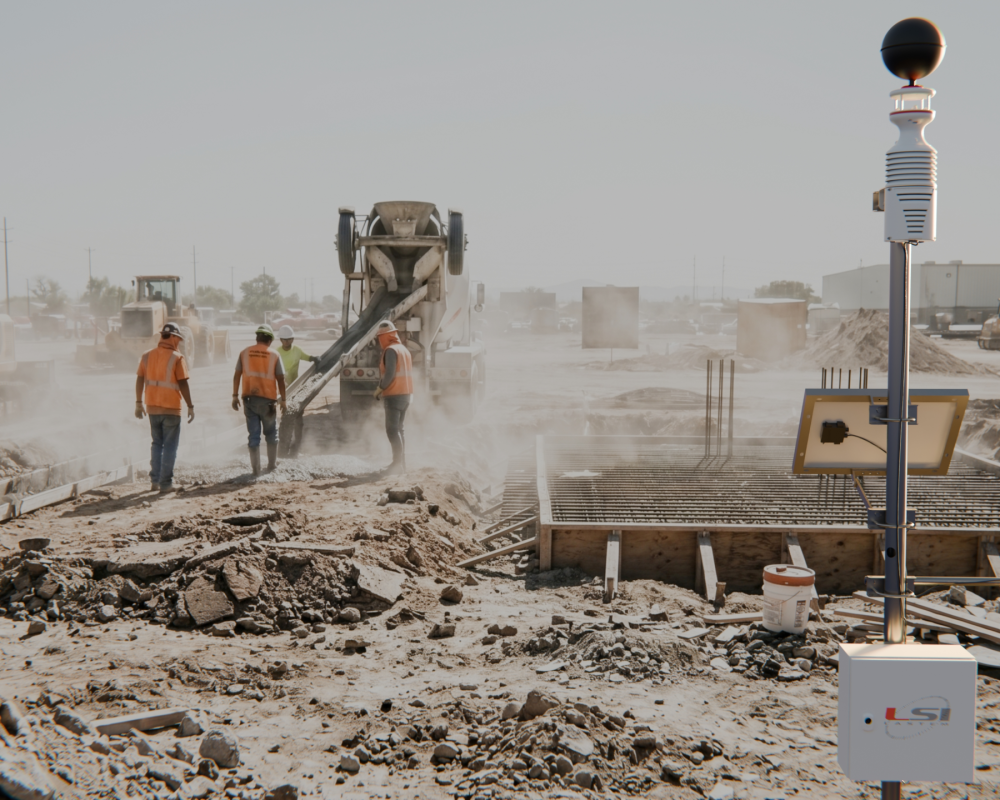
For heat stress, ISO 7243:2017 uses WBGT as a screening method. The index combines wet-bulb, black globe and air temperatures. Sensors must be located in the area occupied by the worker so that the measurements represent actual exposure.
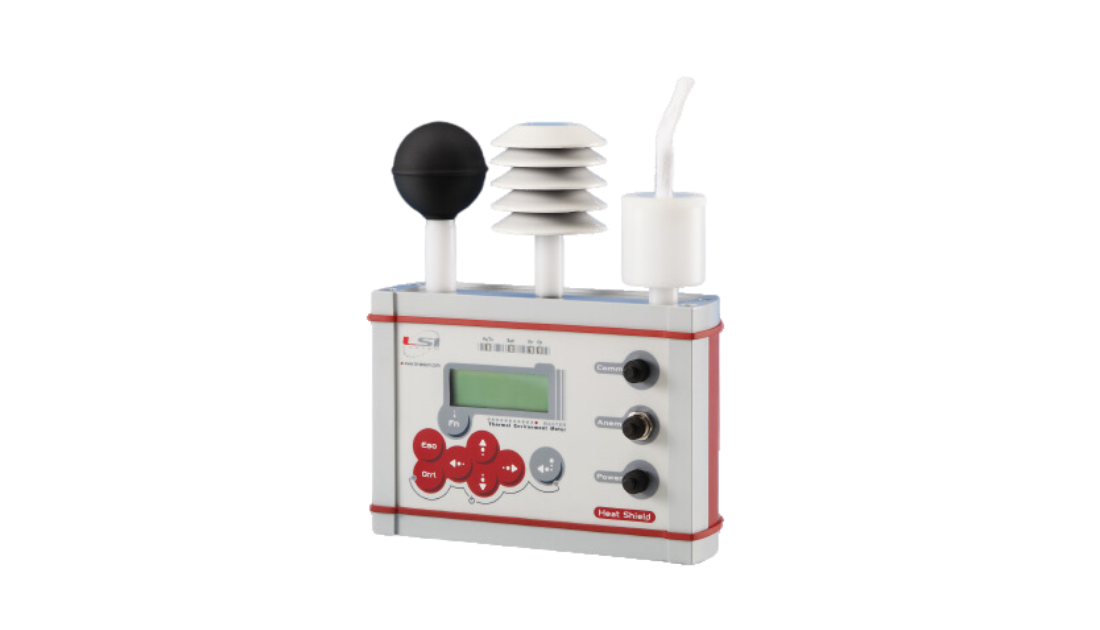
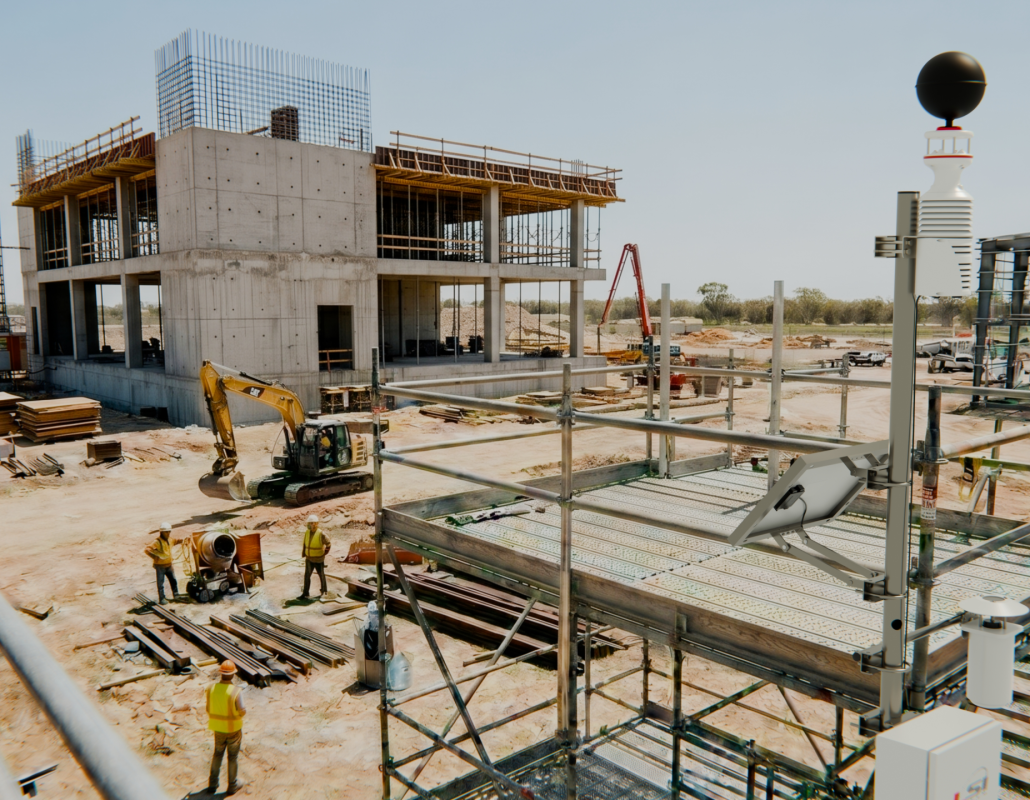
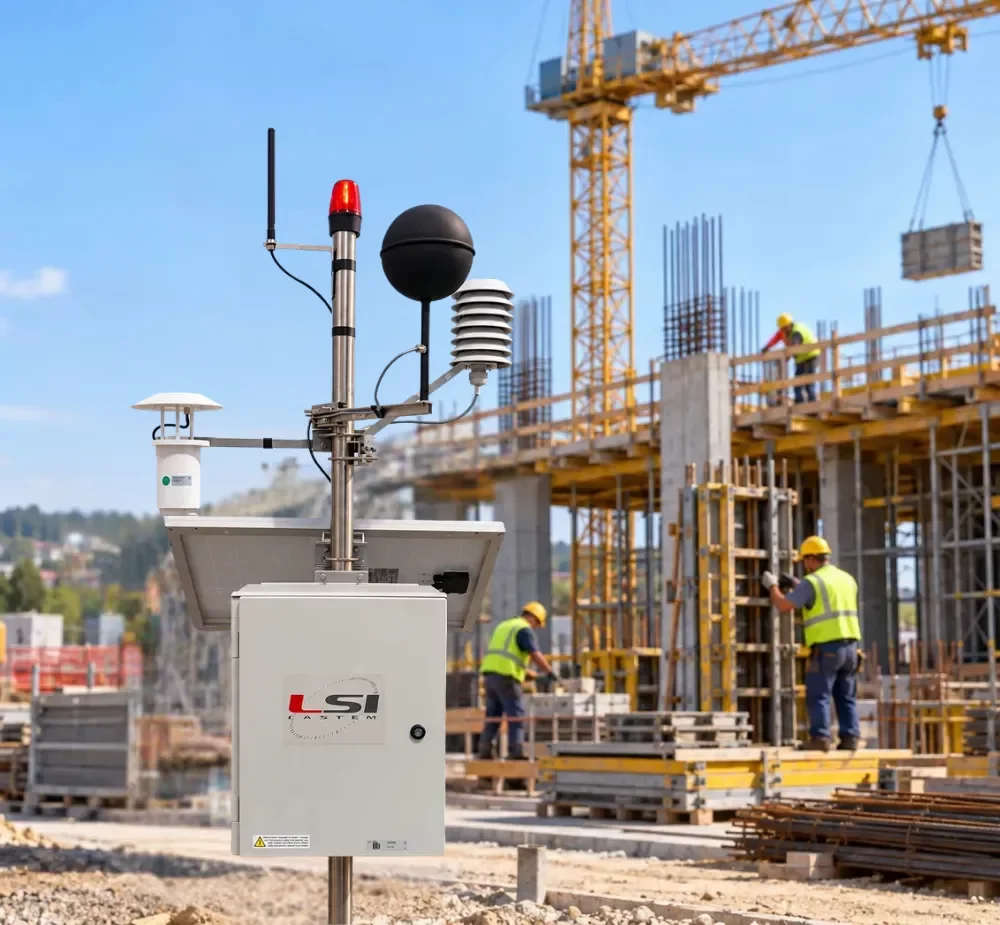
Heat Shield measures WBGT during site surveys, while fixed stations track the index in real time, transmit data and activate the notifications defined by the Health & Safety manager.
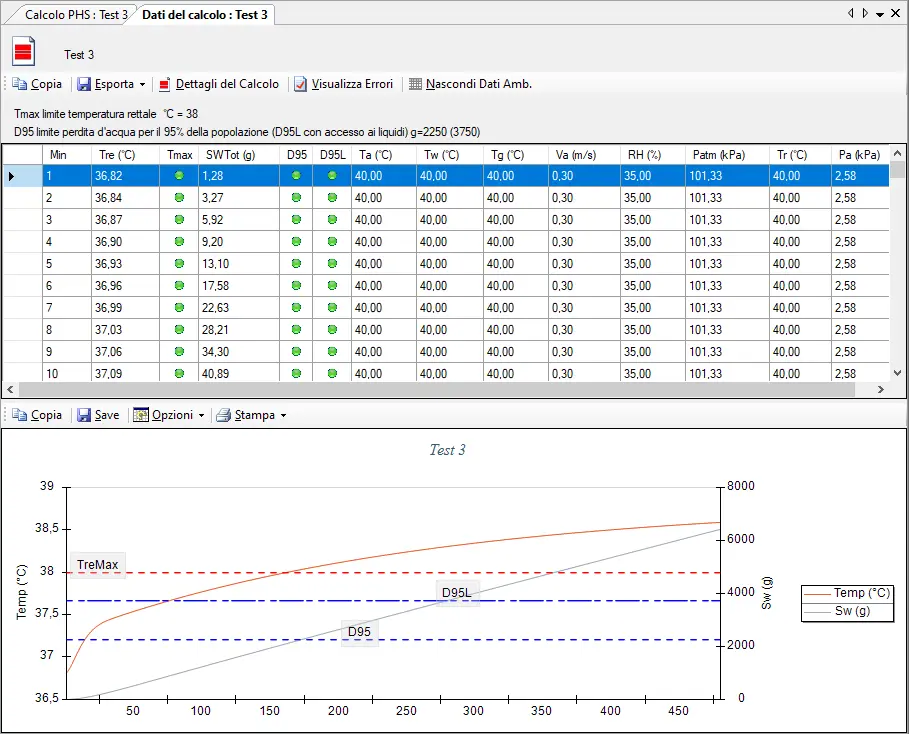
When a more detailed analysis is required, the PHS model in ISO 7933:2023 considers the environment, metabolic rate and clothing to estimate the physiological response to heat.
ISO 11079:2007 addresses cold stress and describes the required clothing insulation index (IREQ).
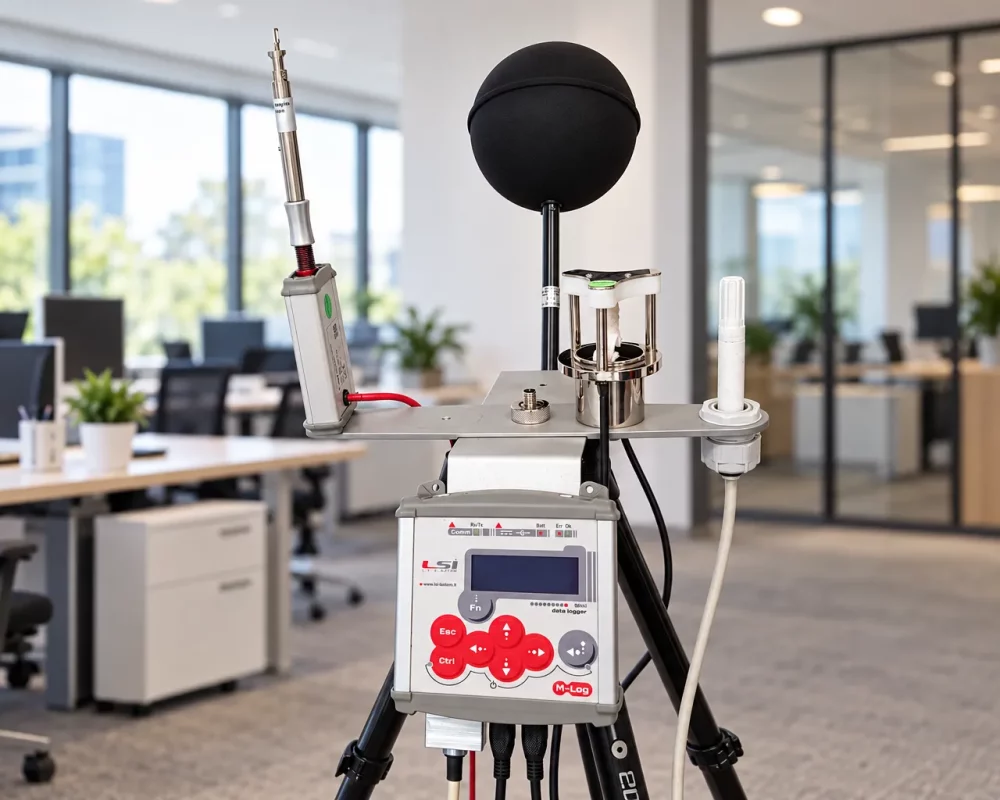
A survey must reproduce the conditions experienced at different workstations and during different tasks, sometimes with measurements at several heights. Microclimate stations measure air temperature, black globe temperature, wet-bulb temperature, humidity and air speed; hot-wire sensors measure the low air speeds found indoors.
M-Log and E-Log collect the signals, while GIDAS-TEA calculates PMV/PPD (ISO 7730:2025), WBGT and PHS. The professional interprets the indices in relation to activity, clothing and actual conditions and defines preventive measures.
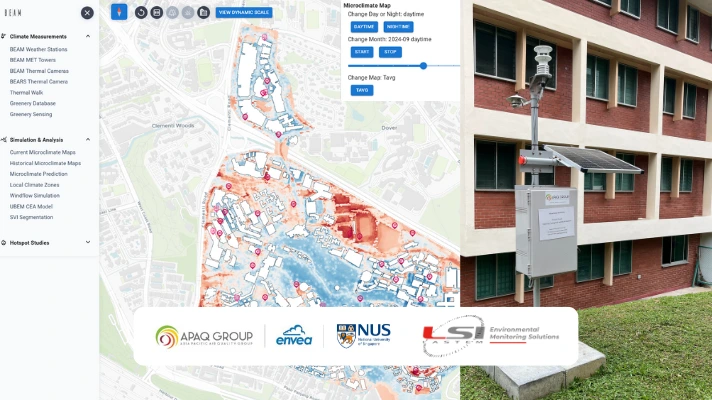
The microclimate changes throughout the day and across the seasons, so an occasional measurement may underestimate or fail to capture a person’s actual exposure. A fixed system continuously records environmental variables, calculates indices and supplies historical series, traffic-light indicators, panels or notifications for construction sites, agriculture, mines, industry, greenhouses and urban spaces.
Knowing the duration, frequency and intensity of critical conditions helps plan breaks and work schedules, reschedule the most demanding tasks and verify the measures adopted. Thresholds must be defined according to the method, metabolic rate, clothing, acclimatisation and exposed population, because no single limit applies in every situation.
Measurement surveys
Fixed indoor monitoring
The main measurements include air temperature, relative humidity, air speed and globe temperature, from which mean radiant temperature is derived. Naturally ventilated wet-bulb temperature is also measured for specific heat-stress assessments. ISO 7726 defines instrumental criteria for measuring the physical variables of thermal environments.
WBGT, or Wet Bulb Globe Temperature, is a screening index for heat stress used in accordance with ISO 7243. It combines humidity, air temperature, mean radiant temperature and wet-bulb temperature, and must be interpreted in relation to metabolic activity, clothing, acclimatisation and actual working conditions.
A portable survey is suitable for characterising workstations, tasks and specific conditions; instruments such as Heat Shield and the M-Log data logger allow measurements to be taken directly in the field. A fixed system is preferable when risk varies over time and continuous data, alarms and historical series are required.
The main references include ISO 7730 for thermal comfort and the PMV/PPD indices, ISO 7243 for WBGT, ISO 7933 for the PHS model and ISO 11079 for cold stress. The applicable standard depends on the type of environment, the risk being assessed and the method selected by the professional.
Contact LSI LASTEM to select the variables, sensors, indices and monitoring approach for your Health & Safety assessment.