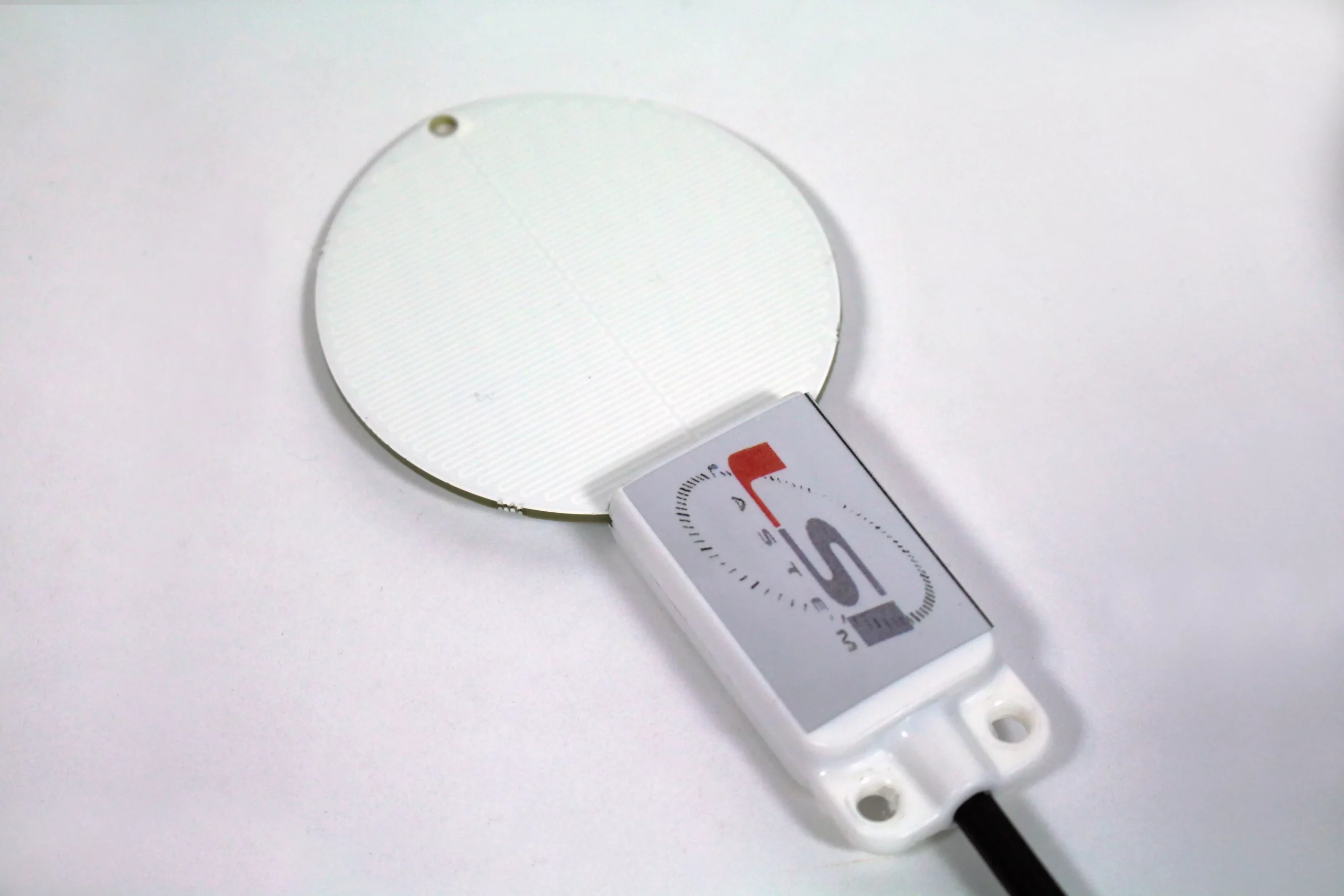
Luxmeter
Wide measurement range
Sensor for measurement in the PAR (Photosynthetic Active Radiation) spectral range.
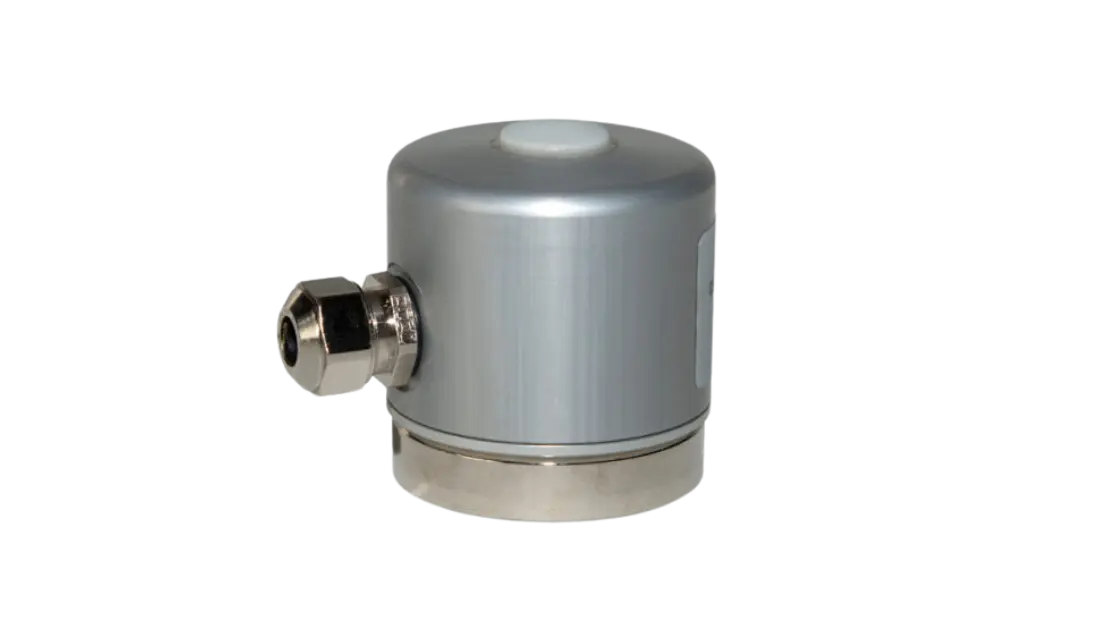
Luxmeter probes to measure illuminance in long term outdoor applications according to the response of the human eye (Vlamba CIE curve).
DATA SHEETS
Description
Description
Wide measurement range
The sensing element is a photodiode with optical filter with interferential deposition in order to improve spectral transmission.
To convert the signal output to 4÷20 mA or Modbus, it is possible to use STB or MSB converters.
Luxmeter
Highlights
- IP66 lux sensor for outdoor measurements of illuminance intensity in lx (ESR003.1);
- Wide measurement range, up to 150.000 lx for outdoors(ESR003.1);
- Accessories for 4÷20 mA and RS-485 signal output;
- Model code: ESR003A.1.
FAQ: Frequently Asked Questions
What does a lux meter measure, and why is spectral response important?
A lux meter measures illuminance, expressed in lux, meaning the amount of visible light reaching a surface. The LSI LASTEM sensor follows the CIE V(λ) photopic response curve, which corresponds to the sensitivity of the human eye under daylight conditions, providing a measurement representative of perceived brightness.
What measurement range does the LSI LASTEM lux meter offer?
The lux meter covers a range from 0 to 150,000 lux, making it suitable for very different lighting conditions, from artificially lit indoor environments to full daylight outdoors. The sensor also offers a declared accuracy of ±3%, linearity below 1%, and a response time of 0.1 seconds.
In which indoor and outdoor applications can it be used?
Indoors, illuminance measurement is useful for checking lighting conditions in workplaces, schools, museums, archives, and buildings, as well as for optimizing the use of natural and artificial light. Outdoors, it can support daylight monitoring, urban lighting assessment, and environmental applications; IP66 protection makes it suitable for continuous outdoor installations.
How can the LSI LASTEM lux meter be integrated into a monitoring system?
The sensor has a direct 0–300 mV output and is compatible with E-Log and Alpha-Log data loggers via the ALIEM module. With dedicated converters, the signal can also be converted to 4–20 mA or RS485 Modbus-RTU, facilitating integration into new or existing continuous illuminance monitoring systems.
Additional information
Additional information
| Grandezze |
|---|
Product
ESR003A.1
Categories Meteo sensors, Solar radiation
Wide measurement range
The sensing element is a photodiode with optical filter with interferential deposition in order to improve spectral transmission.
To convert the signal output to 4÷20 mA or Modbus, it is possible to use STB or MSB converters.
Luxmeter
Highlights
- IP66 lux sensor for outdoor measurements of illuminance intensity in lx (ESR003.1);
- Wide measurement range, up to 150.000 lx for outdoors(ESR003.1);
- Accessories for 4÷20 mA and RS-485 signal output;
- Model code: ESR003A.1.
FAQ: Frequently Asked Questions
What does a lux meter measure, and why is spectral response important?
A lux meter measures illuminance, expressed in lux, meaning the amount of visible light reaching a surface. The LSI LASTEM sensor follows the CIE V(λ) photopic response curve, which corresponds to the sensitivity of the human eye under daylight conditions, providing a measurement representative of perceived brightness.
What measurement range does the LSI LASTEM lux meter offer?
The lux meter covers a range from 0 to 150,000 lux, making it suitable for very different lighting conditions, from artificially lit indoor environments to full daylight outdoors. The sensor also offers a declared accuracy of ±3%, linearity below 1%, and a response time of 0.1 seconds.
In which indoor and outdoor applications can it be used?
Indoors, illuminance measurement is useful for checking lighting conditions in workplaces, schools, museums, archives, and buildings, as well as for optimizing the use of natural and artificial light. Outdoors, it can support daylight monitoring, urban lighting assessment, and environmental applications; IP66 protection makes it suitable for continuous outdoor installations.
How can the LSI LASTEM lux meter be integrated into a monitoring system?
The sensor has a direct 0–300 mV output and is compatible with E-Log and Alpha-Log data loggers via the ALIEM module. With dedicated converters, the signal can also be converted to 4–20 mA or RS485 Modbus-RTU, facilitating integration into new or existing continuous illuminance monitoring systems.