Sunshine duration
Rotation band sunshine duration sensor
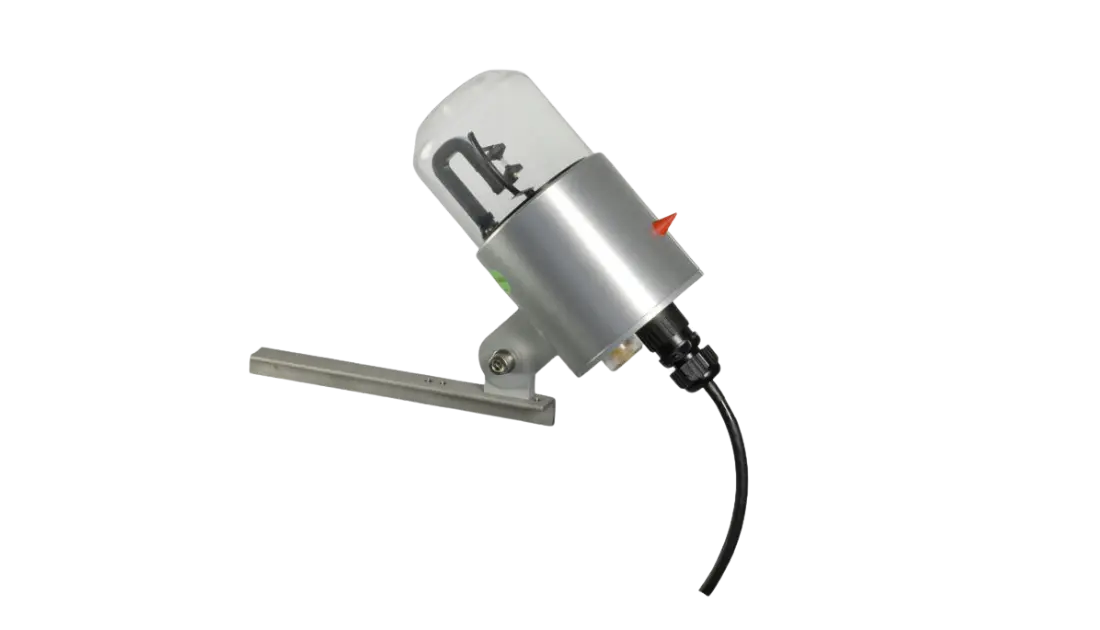
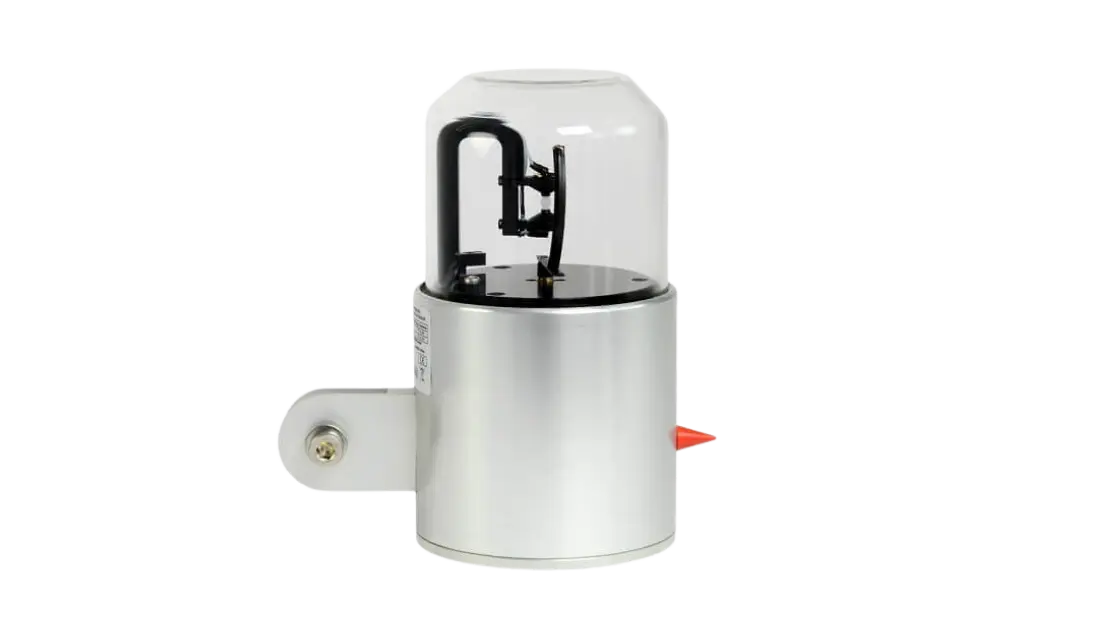
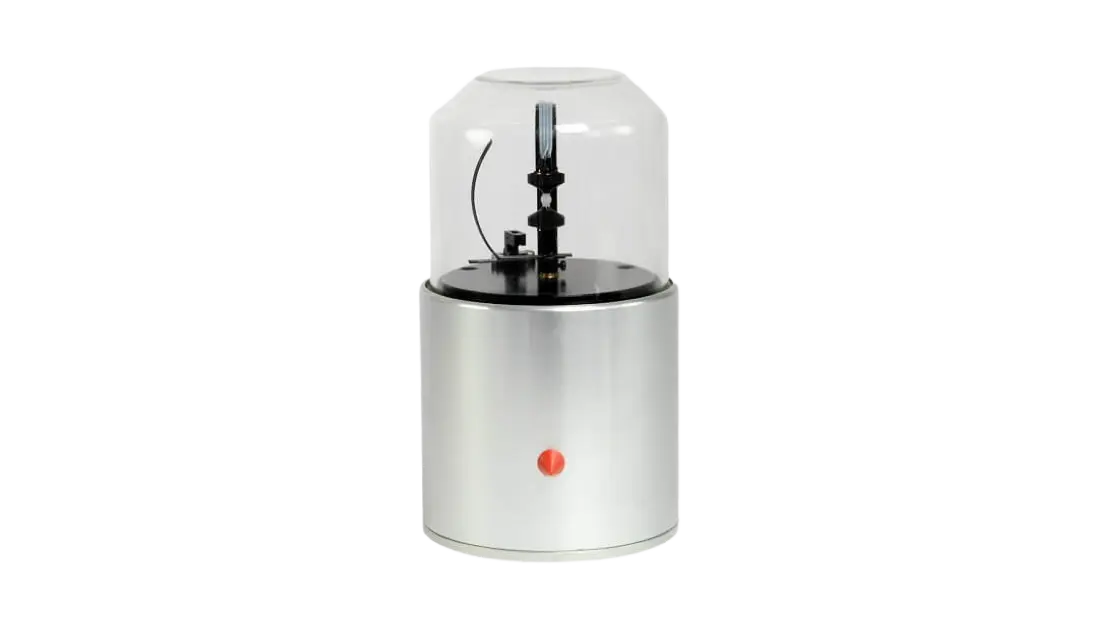
The sensor measures sunshine duration and direct radiation from the sun. Measurement is made in the visible range and near infrared, to second class WMO pyranometer specifications.
DATA SHEETS
Description
Description
Rotation band sunshine duration sensor
The sensor measures sunshine duration and direct radiation from the sun. Measurement is made in the visible range and near infrared, to second class WMO pyranometer specifications.
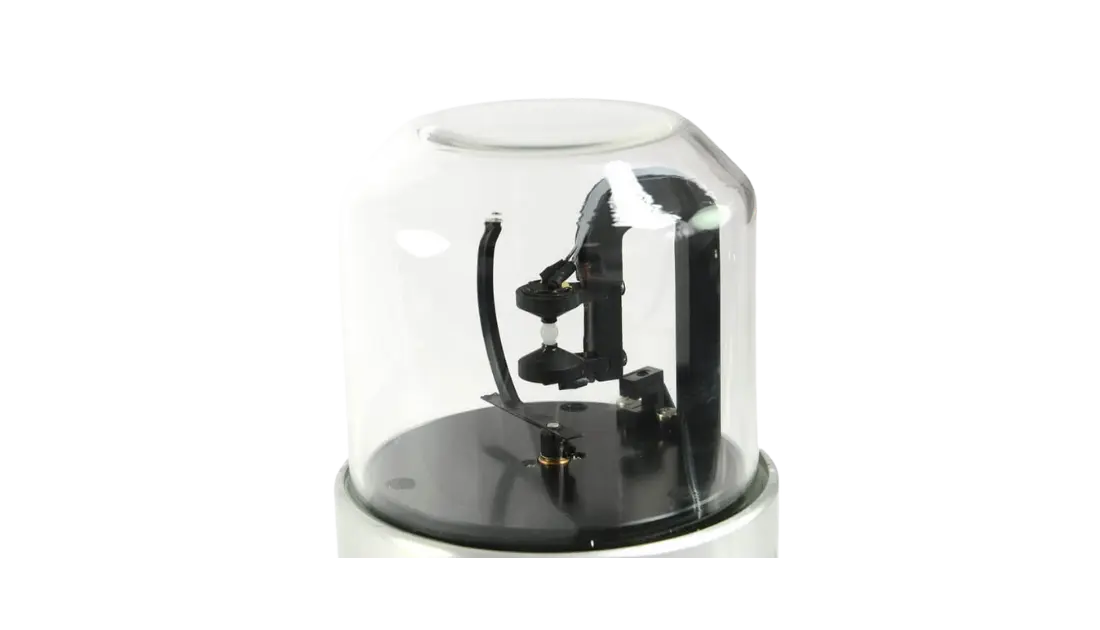
Once set up for the latitude and location, the sensor does not require seasonal positioning unless greater precision is needed, accomplished by two annual adjustments. For each rotation, the instrument determines the two radiation levels of the beam, with and without the direct action of the sun disc, and calculates the difference, which gives a good approximation to the direct radiation level.
The instrument also supplies the sunshine duration, defined by World Meteorological Organization (WMO, 1981) as the time during which the direct solar radiation exceeds the level of 120 W/m², and is normally measured in hours.
The sensor has two actionable heaters: a continuous anti-condensation heater and a thermostatic one for defrosting. In conditions of darkness, the band is stopped and the sunshine status is set to “no”.
Sunshine duration
Highlights
- Measures direct solar radiation and then gives the sunshine status according to WMO definition;
- Internal anti-condensation and defrosting heaters;
- Two annual tilt adjustments requirement;
- Good correlation to DNI sensor mounted on a sun tracker;
- Model code: DPD504.1.
FAQ: Frequently Asked Questions
What does a rotating shadowband sunshine duration sensor measure?
A sunshine duration sensor measures sunshine duration, meaning the amount of time during which direct solar radiation exceeds the WMO threshold of 120 W/m². The LSI LASTEM sensor also provides an estimate of direct solar radiation by alternating measurements with and without shading of the solar disk.
Can a sunshine duration sensor be a more cost-effective alternative to a pyrheliometer?
Yes, when the main objective is to measure sunshine duration and obtain an estimate of direct solar radiation. Compared with a system consisting of a pyrheliometer and solar tracker, it requires a less complex and generally less expensive installation. However, it is not equivalent to a pyrheliometer when highly accurate DNI measurements are required.
Why is it useful to measure sunshine duration?
Sunshine duration quantifies the actual number of sunshine hours at a given site. It is a useful parameter in meteorology, climatology, and agrometeorology for comparing different periods and locations, analysing crop growth conditions, and assessing the availability of solar resources.
Which features make the LSI LASTEM sunshine duration sensor reliable?
The sensor determines the direct component by comparing radiation measurements taken with and without direct exposure to the solar disk and shows good correlation with DNI systems equipped with solar trackers. Anti-condensation and anti-icing heaters also support measurement continuity under critical environmental conditions. The product is manufactured according to the WMO second-class specifications declared in the technical documentation.
Additional information
Additional information
| Applications | |
|---|---|
| Grandezze |
Product
DPD504.1
Categories Meteo sensors, Sensors, Solar radiation
Rotation band sunshine duration sensor
The sensor measures sunshine duration and direct radiation from the sun. Measurement is made in the visible range and near infrared, to second class WMO pyranometer specifications.
Once set up for the latitude and location, the sensor does not require seasonal positioning unless greater precision is needed, accomplished by two annual adjustments. For each rotation, the instrument determines the two radiation levels of the beam, with and without the direct action of the sun disc, and calculates the difference, which gives a good approximation to the direct radiation level.
The instrument also supplies the sunshine duration, defined by World Meteorological Organization (WMO, 1981) as the time during which the direct solar radiation exceeds the level of 120 W/m², and is normally measured in hours.
The sensor has two actionable heaters: a continuous anti-condensation heater and a thermostatic one for defrosting. In conditions of darkness, the band is stopped and the sunshine status is set to “no”.
Sunshine duration
Highlights
- Measures direct solar radiation and then gives the sunshine status according to WMO definition;
- Internal anti-condensation and defrosting heaters;
- Two annual tilt adjustments requirement;
- Good correlation to DNI sensor mounted on a sun tracker;
- Model code: DPD504.1.
FAQ: Frequently Asked Questions
What does a rotating shadowband sunshine duration sensor measure?
A sunshine duration sensor measures sunshine duration, meaning the amount of time during which direct solar radiation exceeds the WMO threshold of 120 W/m². The LSI LASTEM sensor also provides an estimate of direct solar radiation by alternating measurements with and without shading of the solar disk.
Can a sunshine duration sensor be a more cost-effective alternative to a pyrheliometer?
Yes, when the main objective is to measure sunshine duration and obtain an estimate of direct solar radiation. Compared with a system consisting of a pyrheliometer and solar tracker, it requires a less complex and generally less expensive installation. However, it is not equivalent to a pyrheliometer when highly accurate DNI measurements are required.
Why is it useful to measure sunshine duration?
Sunshine duration quantifies the actual number of sunshine hours at a given site. It is a useful parameter in meteorology, climatology, and agrometeorology for comparing different periods and locations, analysing crop growth conditions, and assessing the availability of solar resources.
Which features make the LSI LASTEM sunshine duration sensor reliable?
The sensor determines the direct component by comparing radiation measurements taken with and without direct exposure to the solar disk and shows good correlation with DNI systems equipped with solar trackers. Anti-condensation and anti-icing heaters also support measurement continuity under critical environmental conditions. The product is manufactured according to the WMO second-class specifications declared in the technical documentation.