Illuminance
Luxmetric sensors for measuring illuminance
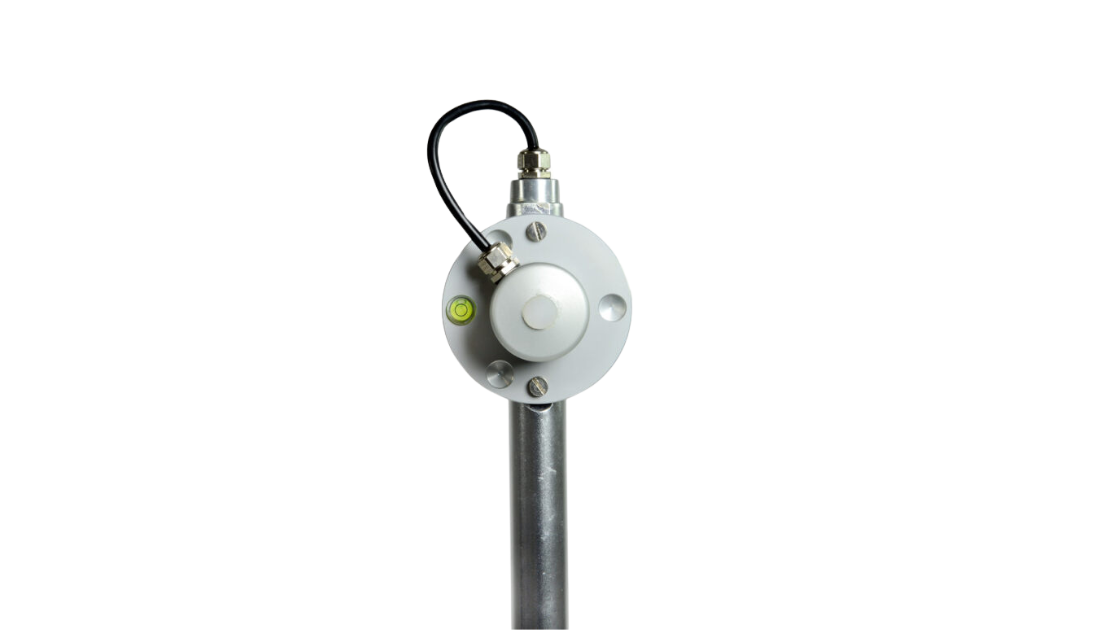
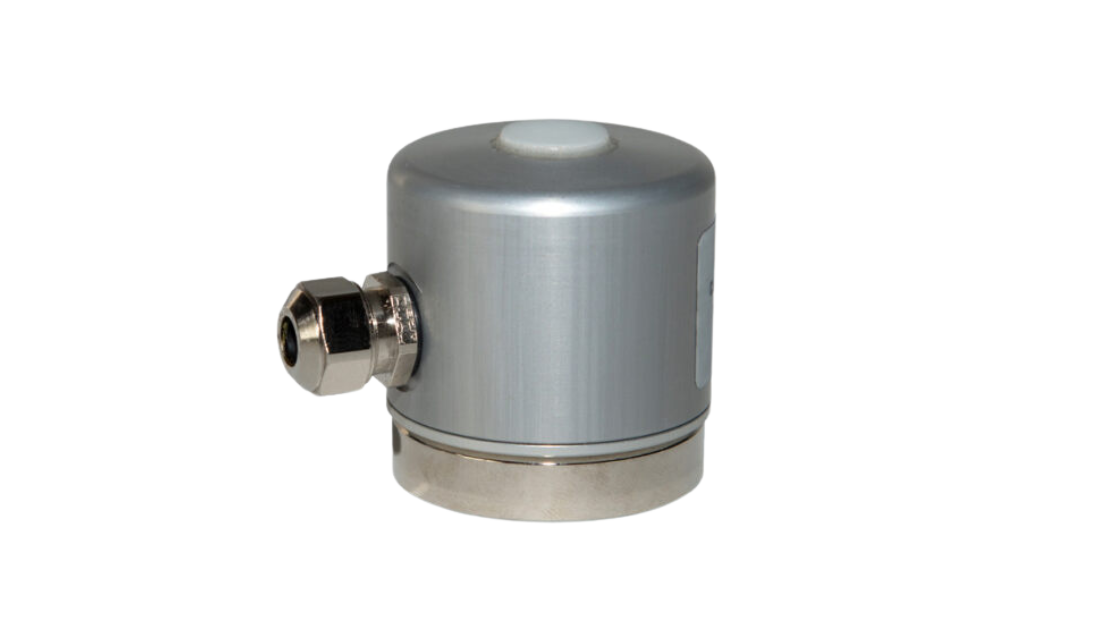
Luxmeter probe to measure illuminance in indoor applications according to the response of the human eye (Vlamba CIE curve).
Models are available for different measuring ranges suitable for indoor and outdoor applications. luxmetro luxometer
DATA SHEETS
Description
Description
Illuminance
Highlights
- Lux sensor with filter for human eye response;
- Different measurement ranges according to the application requirements;
- Optimized cosine response to better represent the illuminance on the receiving surface;
- Class B sensor according to UNI1142 standard;
- Equipped with high quality interferential filters covered by opaline plexiglass diffuser;
- Model codes: ESR003, ESR001, ESR000.
FAQ: Frequently Asked Questions
What does a lux meter measure and why is it important in lighting applications?
A lux meter measures illuminance, expressed in lux, meaning the amount of visible light reaching a surface. In lighting applications, this measurement is used to assess whether natural and artificial lighting is adequately distributed for the space and the activities carried out within it. LSI LASTEM sensors follow the CIE V(λ) photopic response curve, which represents the sensitivity of the human eye to visible light, making them suitable for indoor illuminance assessment.
Why should illuminance be monitored in museums and exhibition spaces?
In museums, lighting must provide adequate visibility of artworks while avoiding unnecessary exposure of sensitive materials. Illuminance monitoring makes it possible to verify light levels in galleries, display cases and close to artworks and to track exposure over time. LSI LASTEM specifically identifies museums and archaeological sites among the applications for its illuminance sensors.
Which features make LSI LASTEM illuminance sensors suitable for indoor measurements?
The sensors use a photodiode with an optical filter designed to follow the human eye response and an optimised cosine response to correctly represent the light incident on the receiving surface. Different measuring ranges are available, up to 150,000 lux depending on the model, with a declared accuracy of 3%. The range includes Class B sensors according to UNI 1142.
Can LSI LASTEM illuminance sensors be used for lighting surveys and continuous monitoring?
Yes. The sensors can be used both for temporary lighting surveys and for continuous monitoring in buildings, museums, schools, offices and other indoor environments. When connected to LSI LASTEM data loggers, illuminance can be recorded over time; using two lux sensors also makes it possible to calculate the Daylight Factor, a useful parameter for assessing the contribution of natural daylight inside a building.
Additional information
Additional information
| Applications | Museums and archaeological sites, Stress and thermal comfort and related quantities portable |
|---|---|
| Grandezze |
Product
ESR003-ESR001-ESR000
Categories Illuminance, Indoor sensors, Sensors
Illuminance
Highlights
- Lux sensor with filter for human eye response;
- Different measurement ranges according to the application requirements;
- Optimized cosine response to better represent the illuminance on the receiving surface;
- Class B sensor according to UNI1142 standard;
- Equipped with high quality interferential filters covered by opaline plexiglass diffuser;
- Model codes: ESR003, ESR001, ESR000.
FAQ: Frequently Asked Questions
What does a lux meter measure and why is it important in lighting applications?
A lux meter measures illuminance, expressed in lux, meaning the amount of visible light reaching a surface. In lighting applications, this measurement is used to assess whether natural and artificial lighting is adequately distributed for the space and the activities carried out within it. LSI LASTEM sensors follow the CIE V(λ) photopic response curve, which represents the sensitivity of the human eye to visible light, making them suitable for indoor illuminance assessment.
Why should illuminance be monitored in museums and exhibition spaces?
In museums, lighting must provide adequate visibility of artworks while avoiding unnecessary exposure of sensitive materials. Illuminance monitoring makes it possible to verify light levels in galleries, display cases and close to artworks and to track exposure over time. LSI LASTEM specifically identifies museums and archaeological sites among the applications for its illuminance sensors.
Which features make LSI LASTEM illuminance sensors suitable for indoor measurements?
The sensors use a photodiode with an optical filter designed to follow the human eye response and an optimised cosine response to correctly represent the light incident on the receiving surface. Different measuring ranges are available, up to 150,000 lux depending on the model, with a declared accuracy of 3%. The range includes Class B sensors according to UNI 1142.
Can LSI LASTEM illuminance sensors be used for lighting surveys and continuous monitoring?
Yes. The sensors can be used both for temporary lighting surveys and for continuous monitoring in buildings, museums, schools, offices and other indoor environments. When connected to LSI LASTEM data loggers, illuminance can be recorded over time; using two lux sensors also makes it possible to calculate the Daylight Factor, a useful parameter for assessing the contribution of natural daylight inside a building.