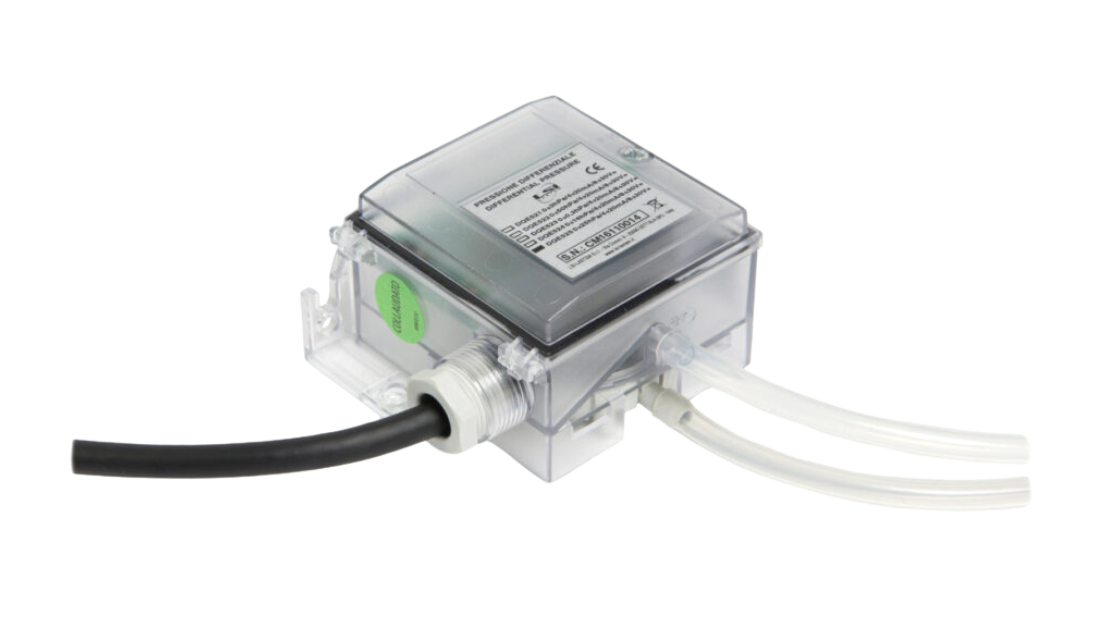
CO sensors
Sensor for measuring Carbon Monoxide in indoor applications.
DATA SHEETS
Description
Description
Carbon Monoxide
Range of sensors for measuring gas concentration in indoor environments. The line includes sensors (PRGSAx200 and ESOxxx) with cables and mini-DIN connectors for use with LSI LASTEM data loggers type M-Log (ELO009) and sensors with 4…20 mA output and RS485 Modbus (PRGSAx900 and DSOxxx) that can be used by third-party systems or LSI LASTEM data loggers with terminal block. The sensors are based on electrochemical cell, infrared (CO2) and PID (VOC) technology.
CO sensors
Highlights
- Wide range of sensors optimized for indoor air quality monitoring;
- Portable and stand-alone applications in indoor environments;
- Sensors with 4…20 mA output and RS485 Modbus and free-wire cable (PRGSAx900 and DSOxxx range). Sensors with mV output, cable and MiniDIN connector (range PRGSAx200 and ESOxxx range).
- Model codes: PRGSA5200, PRGSA5900, PRGSA5900.1.
FAQ: Frequently Asked Questions
Why is carbon monoxide (CO) monitoring important in indoor environments?
Carbon monoxide (CO) is a colourless and odourless gas produced by the incomplete combustion of carbon-containing fuels. Indoors, it can accumulate in the presence of combustion appliances, heating systems, engines or other sources and pose a health risk. CO monitoring is therefore an important part of assessing indoor air quality (IAQ) and environmental conditions in occupied spaces.
In which environments and applications is CO concentration monitoring useful?
CO measurement is useful wherever combustion sources or pollutants entering from outdoors may be present, including buildings, workplaces, car parks and garages, technical areas and industrial environments. Continuous monitoring or measurement surveys can identify changes in concentration and track their evolution over time. LSI LASTEM also identifies IEQ, environmental comfort and the waste cycle among the applications for its CO sensors.
How does the LSI LASTEM carbon monoxide sensor work?
LSI LASTEM CO sensors use an electrochemical cell that generates a signal according to the concentration of carbon monoxide in the air. The range measures CO concentrations from 0 to 1,000 ppm, with a resolution of 1 ppm in current models, and is designed for gas concentration monitoring in indoor environments.
How can LSI LASTEM CO sensors be integrated into an air quality monitoring system?
LSI LASTEM CO sensors can be used for both portable measurement surveys and fixed installations for continuous monitoring. Models are available with mV output and MiniDIN connectors for LSI LASTEM data loggers, as well as versions with 4–20 mA and RS485 Modbus that can also be integrated into third-party acquisition systems. CO can also be monitored together with other environmental parameters to create multiparameter air quality monitoring systems.
Additional information
Additional information
| Applications | IEQ and environmental comfort, Museums and archaeological sites, Stress and thermal comfort and related quantities portable, Waste cycle |
|---|---|
| Grandezze |
Product
PRGSA5200-PRGSA5900-PRGSA5900.1
Categories Gas, Indoor sensors, Sensors
Carbon Monoxide
Range of sensors for measuring gas concentration in indoor environments. The line includes sensors (PRGSAx200 and ESOxxx) with cables and mini-DIN connectors for use with LSI LASTEM data loggers type M-Log (ELO009) and sensors with 4…20 mA output and RS485 Modbus (PRGSAx900 and DSOxxx) that can be used by third-party systems or LSI LASTEM data loggers with terminal block. The sensors are based on electrochemical cell, infrared (CO2) and PID (VOC) technology.
CO sensors
Highlights
- Wide range of sensors optimized for indoor air quality monitoring;
- Portable and stand-alone applications in indoor environments;
- Sensors with 4…20 mA output and RS485 Modbus and free-wire cable (PRGSAx900 and DSOxxx range). Sensors with mV output, cable and MiniDIN connector (range PRGSAx200 and ESOxxx range).
- Model codes: PRGSA5200, PRGSA5900, PRGSA5900.1.
FAQ: Frequently Asked Questions
Why is carbon monoxide (CO) monitoring important in indoor environments?
Carbon monoxide (CO) is a colourless and odourless gas produced by the incomplete combustion of carbon-containing fuels. Indoors, it can accumulate in the presence of combustion appliances, heating systems, engines or other sources and pose a health risk. CO monitoring is therefore an important part of assessing indoor air quality (IAQ) and environmental conditions in occupied spaces.
In which environments and applications is CO concentration monitoring useful?
CO measurement is useful wherever combustion sources or pollutants entering from outdoors may be present, including buildings, workplaces, car parks and garages, technical areas and industrial environments. Continuous monitoring or measurement surveys can identify changes in concentration and track their evolution over time. LSI LASTEM also identifies IEQ, environmental comfort and the waste cycle among the applications for its CO sensors.
How does the LSI LASTEM carbon monoxide sensor work?
LSI LASTEM CO sensors use an electrochemical cell that generates a signal according to the concentration of carbon monoxide in the air. The range measures CO concentrations from 0 to 1,000 ppm, with a resolution of 1 ppm in current models, and is designed for gas concentration monitoring in indoor environments.
How can LSI LASTEM CO sensors be integrated into an air quality monitoring system?
LSI LASTEM CO sensors can be used for both portable measurement surveys and fixed installations for continuous monitoring. Models are available with mV output and MiniDIN connectors for LSI LASTEM data loggers, as well as versions with 4–20 mA and RS485 Modbus that can also be integrated into third-party acquisition systems. CO can also be monitored together with other environmental parameters to create multiparameter air quality monitoring systems.