Rainfall
Rain gauges suitable for every need
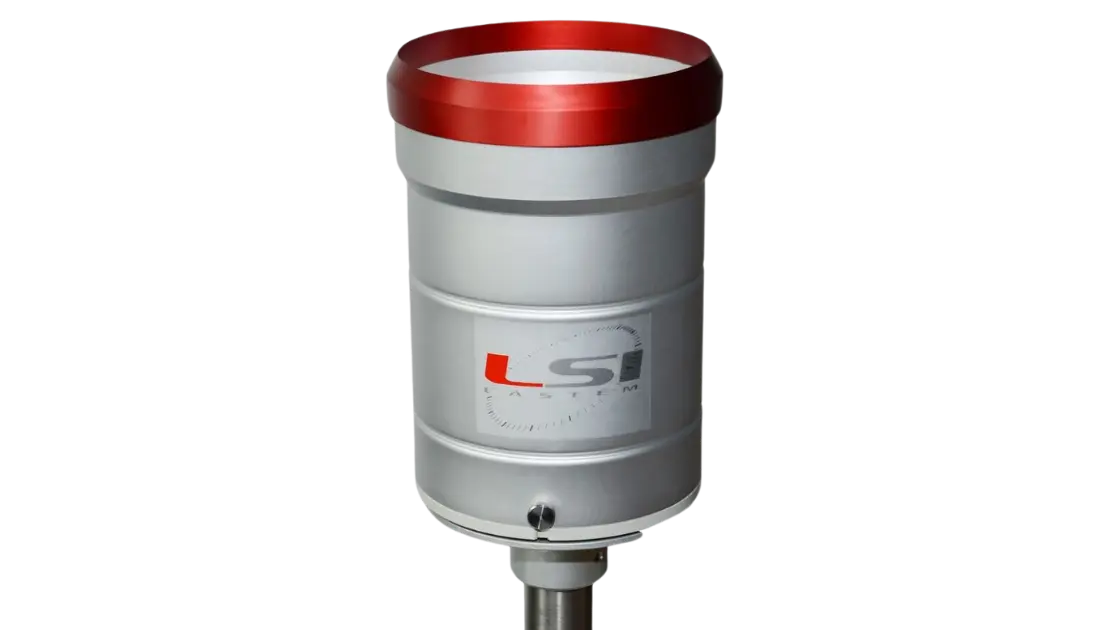
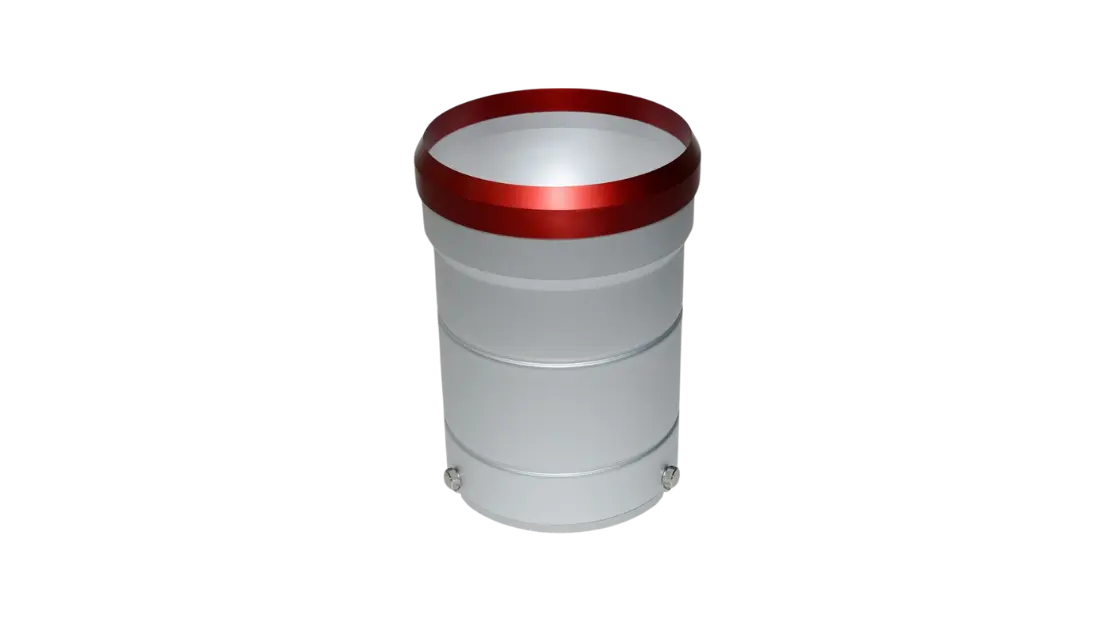
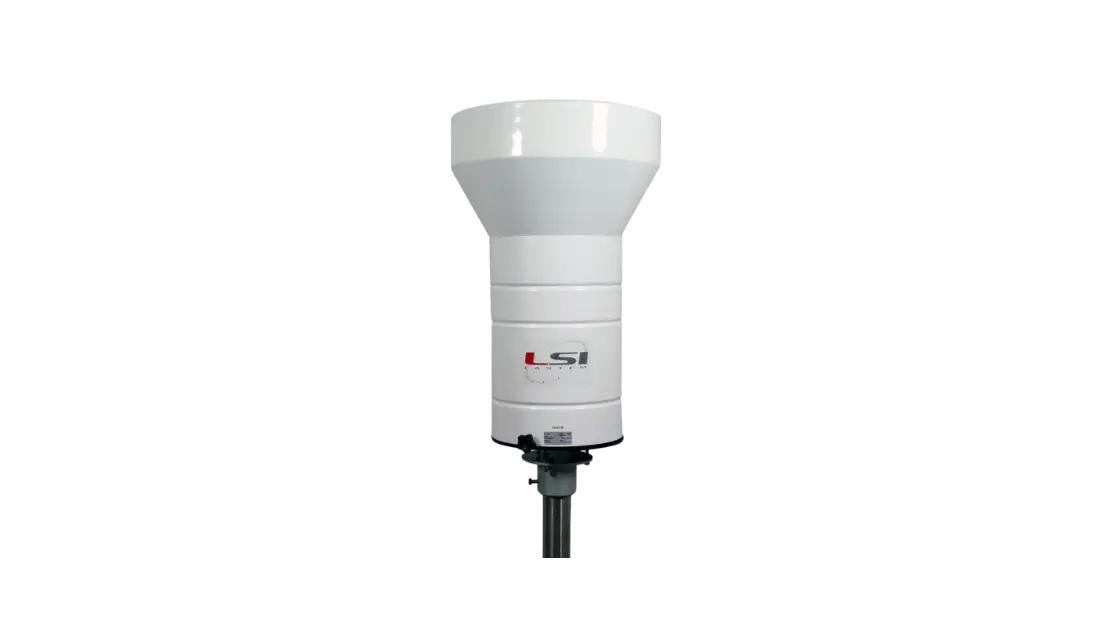
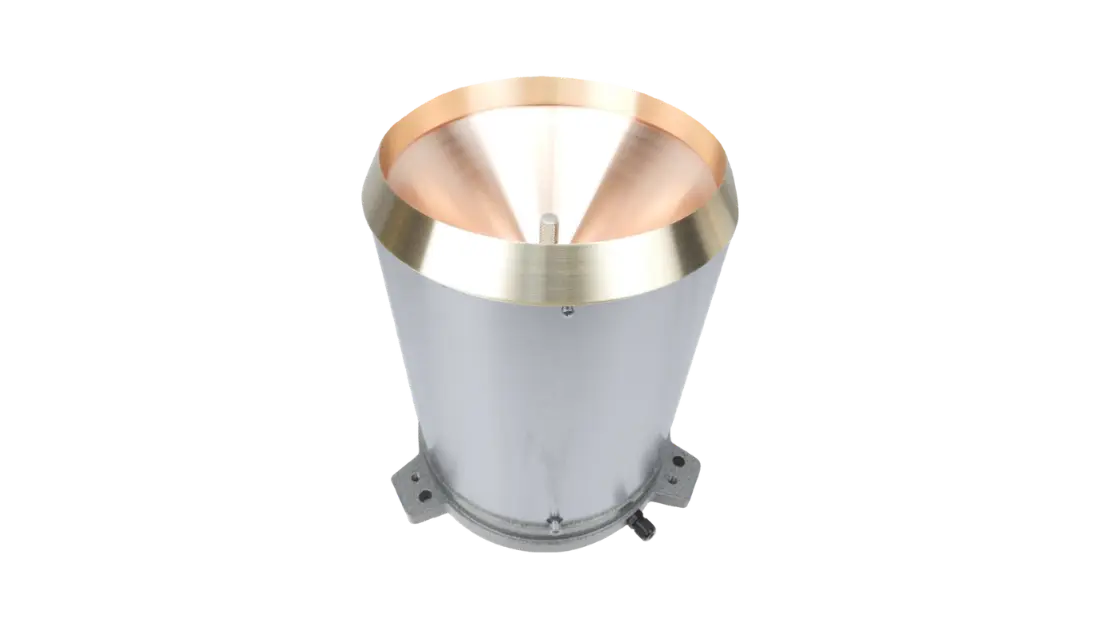
Wide range of sensors to measure the quantity and intensity of precipitation. Our rain gauges are composed of a precipitation collection funnel that conveys the water into a double-tank receiver connected to a magnet. The magnet activates a read relay which generates a pulse that can be counted from an external counter.
DATA SHEET
Description
Description
Rain gauges suitable for every need
Models are available equipped with a siphon positioned at the end of the collection funnel to regulate the flow of water in the event of heavy rainfall. This solution is ideal when the goal is to measure the total rainfall over a long period, not to measure the intensity.
Class A models are available which, following calibration in an internal laboratory, comply with the European standard UNI EN 17277: 2020, which defines the accuracy for measuring intensity and how to calibrate the instrument and correct the data.
Rainfall
Highlights
- Design made in compliance to WMO;
- Class A (UNI11452:2012) accuracy over intensity (see PN);
- Syphone to adjust the water flow (see PN);
- Aluminum made for rugged installations;
- Heated versions availability (see PN);
- Inpulse output and external optional devices for 4…20 mA or Modbus outputs (XLA003.1-003.2);
- Model codes: DQA230.1, DQA230A.3, DQA231.1, DQA235, DQA236, DQA230, DQA231.
FAQ: Frequently Asked Questions
Why choose a rain gauge designed according to WMO recommendations? +
Because compliance with WMO guidelines helps ensure more reliable, comparable, and consistent precipitation measurements over time. For meteorological, hydrological, or environmental applications, this is an important factor in improving the quality of the collected data.
How do LSI LASTEM rain gauges improve measurement reliability? +
The LSI LASTEM range includes models with Class A intensity accuracy and solutions designed to reduce the effects that can compromise measurement quality. In addition, some models, after calibration in the internal laboratory, comply with UNI EN 17277:2020 for rainfall intensity measurement accuracy and data correction.
When is it useful to choose a model with a siphon? +
Models with a siphon are particularly suitable when the main goal is to measure the total rainfall over long periods in a reliable way, especially during intense precipitation events. The siphon regulates the water flow to the tipping bucket, helping the instrument manage these conditions more effectively.
Can the LSI LASTEM range adapt to different systems and applications? +
Yes. The range includes heated versions and integration options with pulse output, 4-20 mA, or Modbus via external units. This makes the rain gauges suitable for a variety of applications, from meteorological and hydrological monitoring to sectors such as airports, ports, roads, renewable energy, and air quality.
Why is the size of the rain gauge opening important? +
The size of the opening directly affects how rainfall is collected and therefore the accuracy of the measurement. According to the WMO, the opening must be standardized and properly exposed. A larger opening does not necessarily measure better and may increase errors; for this reason, openings of at least 200 cm² are recommended, generally ranging between 200 and 500 cm².
Additional information
Additional information
| Grandezze | |
|---|---|
| Applications | Agro-meteorology, Air quality, Airports and roads, First rain, Hydrology, Meteo observations, Museums and archaeological sites, Ports and railways, Renewable energies, Waste cycle |
Product
DQA230.1-DQA230A.3-DQA231.1-DQA235-DQA236-DQA230-DQA231
Categories Meteo sensors, Rainfall, Sensors
Rain gauges suitable for every need
Models are available equipped with a siphon positioned at the end of the collection funnel to regulate the flow of water in the event of heavy rainfall. This solution is ideal when the goal is to measure the total rainfall over a long period, not to measure the intensity.
Class A models are available which, following calibration in an internal laboratory, comply with the European standard UNI EN 17277: 2020, which defines the accuracy for measuring intensity and how to calibrate the instrument and correct the data.
Rainfall
Highlights
- Design made in compliance to WMO;
- Class A (UNI11452:2012) accuracy over intensity (see PN);
- Syphone to adjust the water flow (see PN);
- Aluminum made for rugged installations;
- Heated versions availability (see PN);
- Inpulse output and external optional devices for 4…20 mA or Modbus outputs (XLA003.1-003.2);
- Model codes: DQA230.1, DQA230A.3, DQA231.1, DQA235, DQA236, DQA230, DQA231.
FAQ: Frequently Asked Questions
Why choose a rain gauge designed according to WMO recommendations? +
Because compliance with WMO guidelines helps ensure more reliable, comparable, and consistent precipitation measurements over time. For meteorological, hydrological, or environmental applications, this is an important factor in improving the quality of the collected data.
How do LSI LASTEM rain gauges improve measurement reliability? +
The LSI LASTEM range includes models with Class A intensity accuracy and solutions designed to reduce the effects that can compromise measurement quality. In addition, some models, after calibration in the internal laboratory, comply with UNI EN 17277:2020 for rainfall intensity measurement accuracy and data correction.
When is it useful to choose a model with a siphon? +
Models with a siphon are particularly suitable when the main goal is to measure the total rainfall over long periods in a reliable way, especially during intense precipitation events. The siphon regulates the water flow to the tipping bucket, helping the instrument manage these conditions more effectively.
Can the LSI LASTEM range adapt to different systems and applications? +
Yes. The range includes heated versions and integration options with pulse output, 4-20 mA, or Modbus via external units. This makes the rain gauges suitable for a variety of applications, from meteorological and hydrological monitoring to sectors such as airports, ports, roads, renewable energy, and air quality.
Why is the size of the rain gauge opening important? +
The size of the opening directly affects how rainfall is collected and therefore the accuracy of the measurement. According to the WMO, the opening must be standardized and properly exposed. A larger opening does not necessarily measure better and may increase errors; for this reason, openings of at least 200 cm² are recommended, generally ranging between 200 and 500 cm².