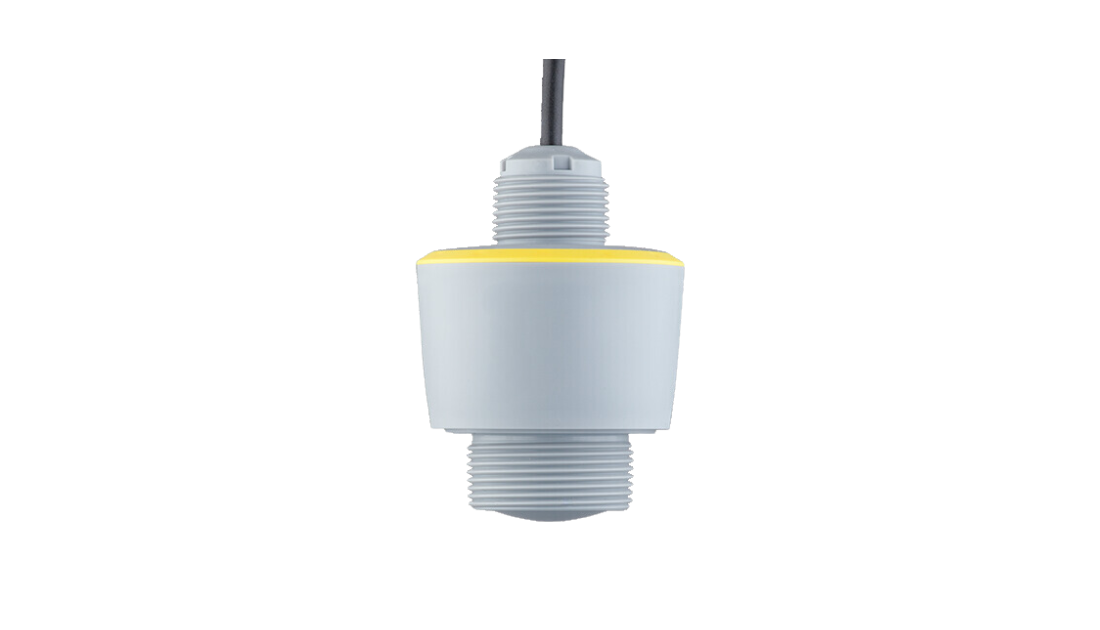
Soil temperature sensor
Sensors for measuring the temperature and volumetric content of water
Series of sensors designed to measure inside soils or other porous materials.
Sensor for measuring the surface or depth temperature.
DATA SHEETS
Description
Description
Description
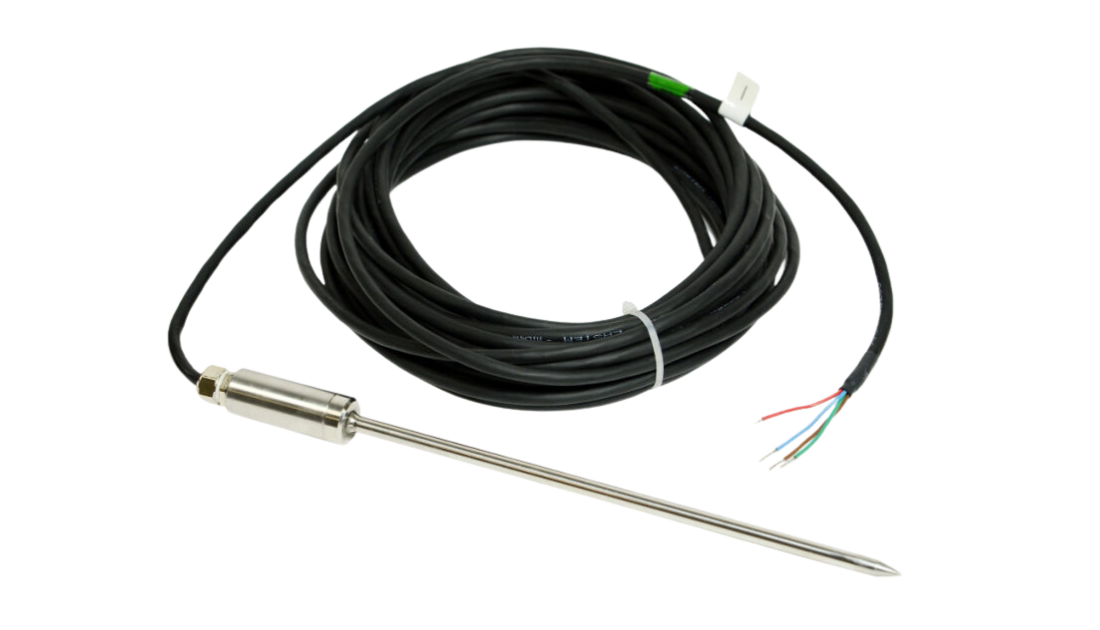
This sensor is used for temperature measurement on soil surface or buried in the soil at the required depth. It is made of a tightly waterproof shank and it can be also used for water temperature measurements.
Highlights
- Buriable to any depth to allow working upper soil layer, without creating air pockets that facilitate the entry of water from the cable insertion hole;
- Water-proof sensor (IP67) even for water temperature measurements;
- 4-wires Pt100 technology for a better accuracy even in case of long connection cable;
- Made in AISI 304 stain-less steel;
- In-house ISO17025 calibration laboratory;
- Model code: DLE041A.
FAQ: Frequently Asked Questions
What is a soil temperature sensor used for?
The sensor measures temperature at the soil surface or at defined depths. In agrometeorology, this parameter helps assess conditions affecting germination, root development, soil biological activity, and the uptake of water and nutrients. In meteorological and climatological observations, soil temperature is used to analyse energy exchanges between the ground and the atmosphere, the surface energy balance, soil heating and cooling, and freeze–thaw cycles.
What is the difference between the point-measurement sensor and the soil temperature profile sensor?
The point-measurement sensor records temperature at a single position, either at the surface or at a selected depth. It is suitable when a specific soil layer needs to be monitored. The soil temperature profile sensor simultaneously measures temperature at seven levels, from 5 cm above the surface down to a depth of 1 m, providing the vertical temperature distribution through the soil.
Why measure soil temperature at different depths?
Temperature varies with depth and responds to atmospheric conditions at different rates. Surface layers heat up and cool down more rapidly, while deeper layers show slower and more attenuated variations. A thermal profile therefore makes it possible to observe heat propagation through the soil, compare the behaviour of different layers, and study meteorological and seasonal processes. The WMO identifies 5, 10, 20, 50, and 100 cm as standard depths for soil temperature observations.
How are soil temperature sensors installed?
The point-measurement sensor can be placed on the surface or buried at the required depth. Its elongated, waterproof construction supports installation without leaving air gaps or creating preferential pathways for water along the cable hole. The soil temperature profile sensor is installed vertically, with the first measurement point 5 cm above the ground and the remaining points distributed down to a depth of 1 m.
Which features make these sensors suitable for continuous monitoring?
The point-measurement sensor uses a four-wire Pt100 resistance thermometer, which limits the effect of cable resistance and maintains good accuracy even with long connections. It is made of stainless steel, has IP67 protection, and can also be used to measure water temperature. The soil temperature profile sensor has IP68 protection and an RS485 Modbus-RTU digital output and can be integrated with Alpha-Log for continuous acquisition and recording of temperatures at the different levels.
Additional information
Additional information
| Grandezze | |
|---|---|
| Applications |
Product
DLE041A
Categories Meteo sensors, Sensors, Soil moisture and temperature
Description
This sensor is used for temperature measurement on soil surface or buried in the soil at the required depth. It is made of a tightly waterproof shank and it can be also used for water temperature measurements.
Highlights
- Buriable to any depth to allow working upper soil layer, without creating air pockets that facilitate the entry of water from the cable insertion hole;
- Water-proof sensor (IP67) even for water temperature measurements;
- 4-wires Pt100 technology for a better accuracy even in case of long connection cable;
- Made in AISI 304 stain-less steel;
- In-house ISO17025 calibration laboratory;
- Model code: DLE041A.
FAQ: Frequently Asked Questions
What is a soil temperature sensor used for?
The sensor measures temperature at the soil surface or at defined depths. In agrometeorology, this parameter helps assess conditions affecting germination, root development, soil biological activity, and the uptake of water and nutrients. In meteorological and climatological observations, soil temperature is used to analyse energy exchanges between the ground and the atmosphere, the surface energy balance, soil heating and cooling, and freeze–thaw cycles.
What is the difference between the point-measurement sensor and the soil temperature profile sensor?
The point-measurement sensor records temperature at a single position, either at the surface or at a selected depth. It is suitable when a specific soil layer needs to be monitored. The soil temperature profile sensor simultaneously measures temperature at seven levels, from 5 cm above the surface down to a depth of 1 m, providing the vertical temperature distribution through the soil.
Why measure soil temperature at different depths?
Temperature varies with depth and responds to atmospheric conditions at different rates. Surface layers heat up and cool down more rapidly, while deeper layers show slower and more attenuated variations. A thermal profile therefore makes it possible to observe heat propagation through the soil, compare the behaviour of different layers, and study meteorological and seasonal processes. The WMO identifies 5, 10, 20, 50, and 100 cm as standard depths for soil temperature observations.
How are soil temperature sensors installed?
The point-measurement sensor can be placed on the surface or buried at the required depth. Its elongated, waterproof construction supports installation without leaving air gaps or creating preferential pathways for water along the cable hole. The soil temperature profile sensor is installed vertically, with the first measurement point 5 cm above the ground and the remaining points distributed down to a depth of 1 m.
Which features make these sensors suitable for continuous monitoring?
The point-measurement sensor uses a four-wire Pt100 resistance thermometer, which limits the effect of cable resistance and maintains good accuracy even with long connections. It is made of stainless steel, has IP67 protection, and can also be used to measure water temperature. The soil temperature profile sensor has IP68 protection and an RS485 Modbus-RTU digital output and can be integrated with Alpha-Log for continuous acquisition and recording of temperatures at the different levels.