


Microclimate monitoring of Lucca Cathedral with LSI LASTEM sensors for the protection of the Holy Face
Technology and cultural heritage, a delicate balance
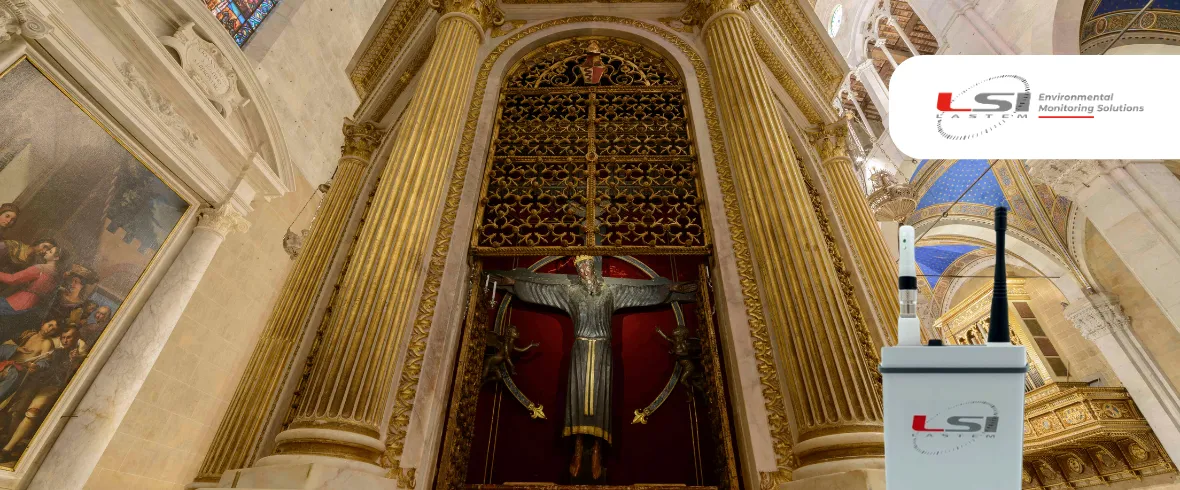
In the heart of the Cathedral of Lucca, amid history, faith and art, a project is underway that combines technological innovation and heritage conservation. The restoration of the Volto Santo, one of the oldest wooden crucifixes in the West, has made environmental monitoring of the involved spaces necessary. It is a complex scientific challenge, with a clear objective: to ensure stable microclimatic conditions for the preservation of a millennial work.
The context: a unique work in a complex environment
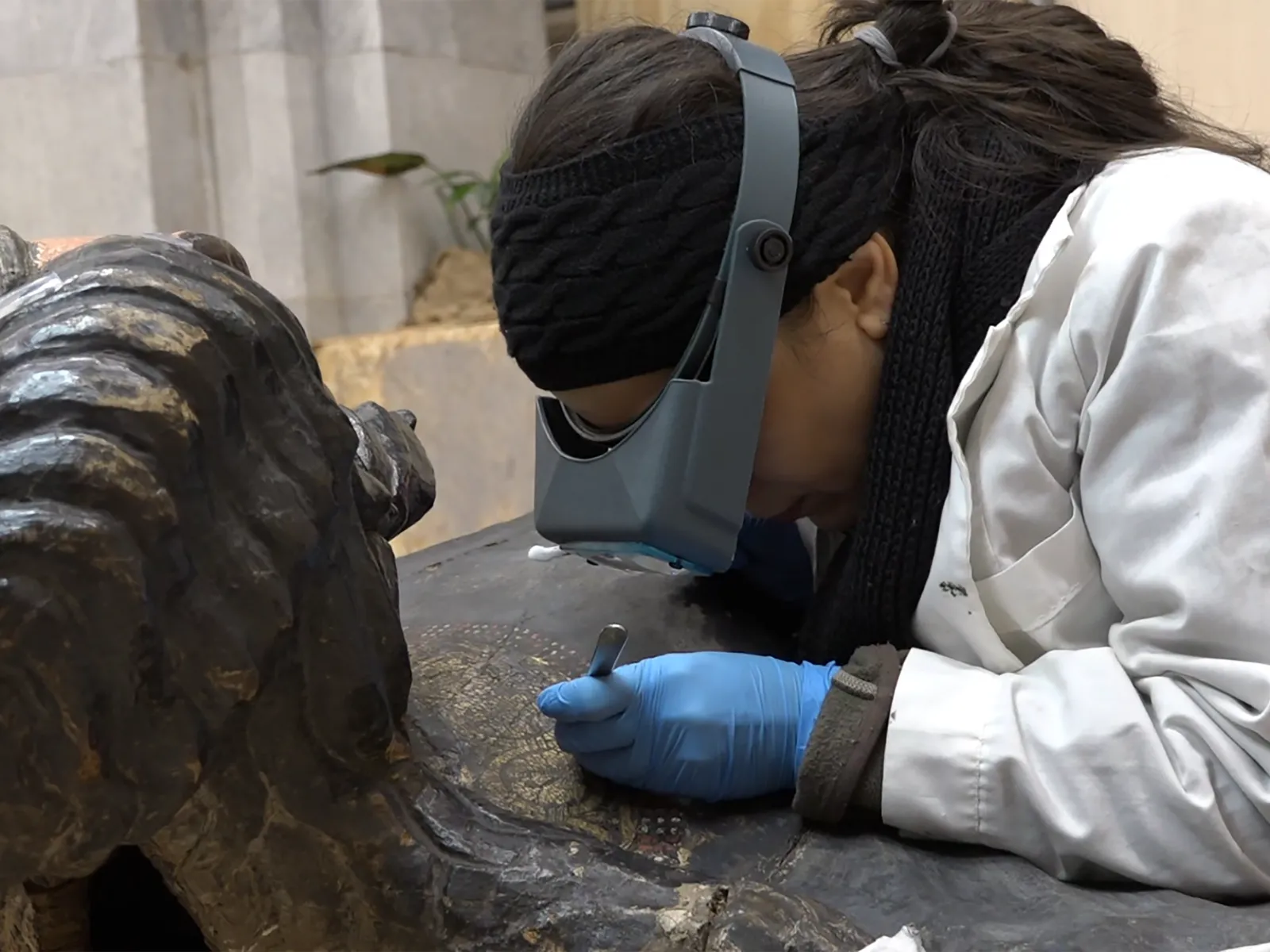
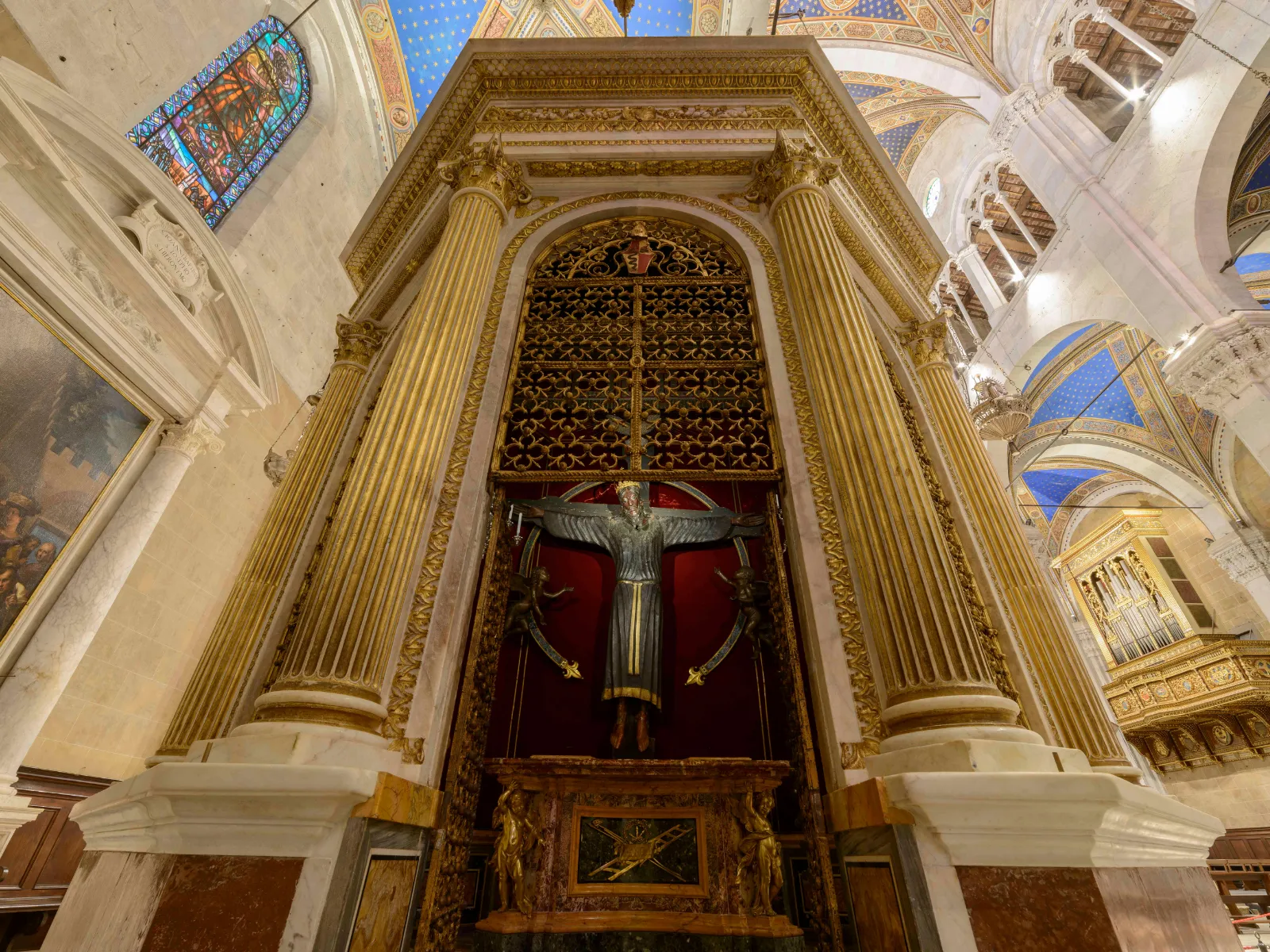
The Holy Face is a polychrome wooden crucifix dating between the 8th and 9th centuries, made from a single walnut trunk. Its preservation is particularly delicate as the wood is highly sensitive to changes in temperature and relative humidity.
The complexity increases when considering the context. The Cathedral of Lucca is a living, open space, visited each year by about 300,000 people. Air draught, the constant opening of entrances, and the religious function make it impossible to completely isolate the work as in a museum.
From this arises the need for continuous environmental monitoring, capable of analyzing the microclimate without interfering with the architecture and the use of space.

Monitoring project objectives: prevent, understand, decide
The project has three main objectives:
- Monitor the microclimate in the restoration laboratory, the small temple, and the cathedral as a whole;
- Prevent deterioration phenomena related to temperature and humidity variations;
- Support strategic decisions, such as the possible introduction of air conditioning systems before the artwork’s permanent relocation.
It’s not just about collecting data, but transforming it into useful information for long-term conservation.
The LSI LASTEM solution: non-invasive and continuous microclimatic monitoring
To meet the project’s needs, LSI LASTEM’s multiparametric radio sensors were installed, designed for museum applications and complex historical settings.
These sensors operate at a frequency of 868 MHz, ensuring reliable transmission even through thick walls such as those of the cathedral. The wireless technology allows for a non-invasive installation, which is essential in an environment of high historical and religious value.
Supporting the hardware infrastructure, the Indoor Cube platform enables real-time data management and visualization. Accessible from both desktop and mobile devices, it allows all stakeholders to consult dynamic dashboards and share information easily and immediately.
Installation and coverage: precise mapping of the microclimate
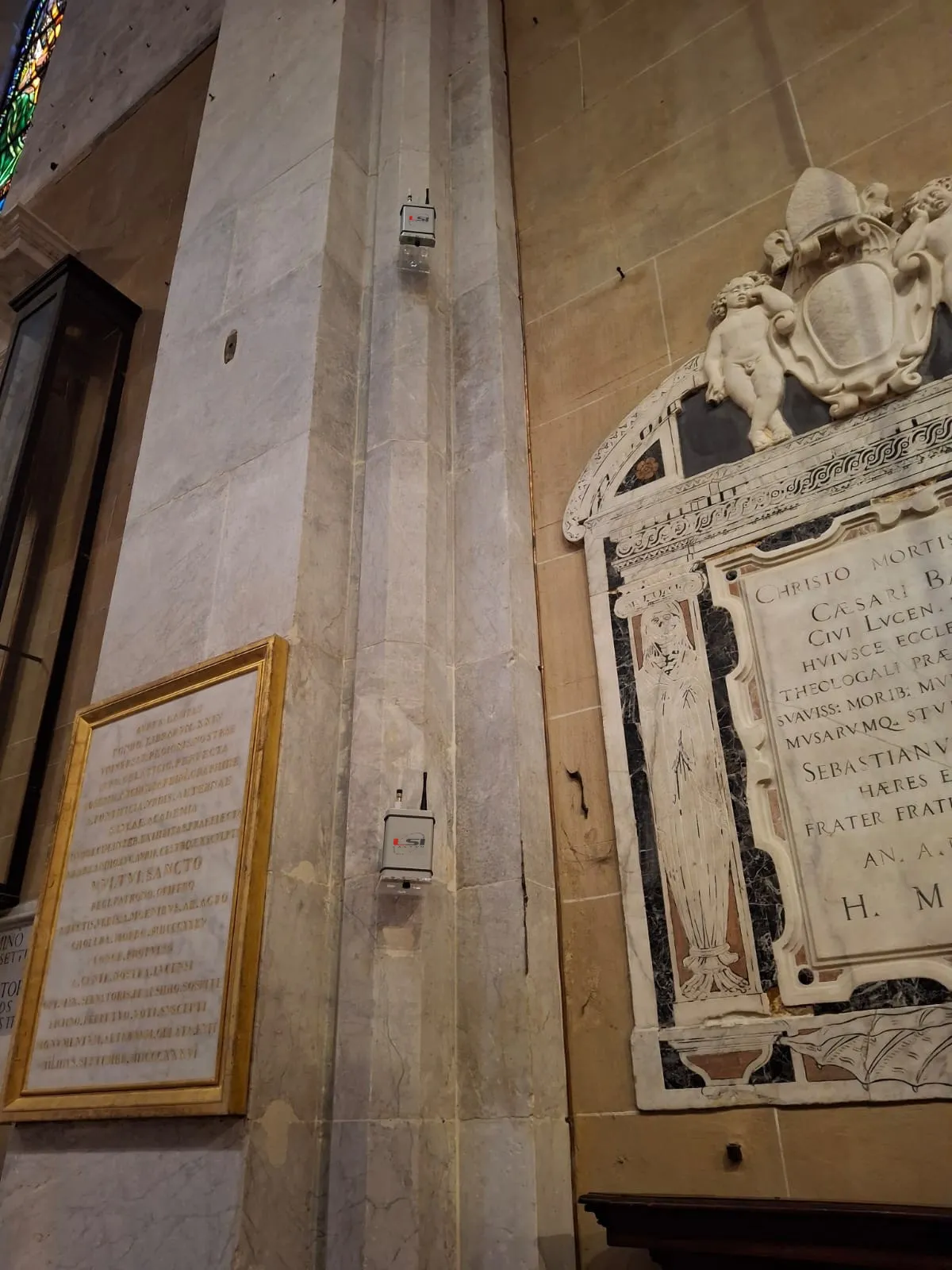
The sensor distribution was designed to analyze air behavior at different heights and in different areas. In the temple, the devices were positioned on three levels, while in the cathedral, on two. This configuration allows for the identification of any thermal stratification and humidity variations.
The addition of an outdoor sensor is also being evaluated to provide a direct reference to outdoor climate conditions, with the aim of understanding whether and to what extent they also influence the internal microclimate.
Data analysis: from monitoring to decision-making
The main parameters recorded are temperature and relative humidity, which are essential for wood preservation. Among the most relevant indicators analyzed was the dew point, which is important for preventing moisture formation on wall surfaces and the work itself.
The collected data is transmitted via a gateway to the Indoor Cube platform, where it is archived, analyzed, and made available to experts. Data analysis is entrusted to the CNR (National Research Council), while operational decisions involve the Cathedral Church Authority, the Superintendency, and the Opificio delle Pietre Dure of Florence, responsible for the restoration.
This multidisciplinary approach ensures that every decision is supported by scientific data and specific expertise, minimizing the risk of inappropriate interventions.
After the first six months of monitoring, it emerged that the microclimatic conditions of the temple and the laboratory were very similar to those of the cathedral, with occasionally high but normal humidity levels.


A replicable model for cultural heritage
There are contexts in which technology serves not only to innovate, but also to protect and the Lucca Cathedral project clearly demonstrates this. Indeed, understanding the behavior of the environment means taking on the responsibility of preserving what cannot be replaced.
Download the article:
FAQ: Frequently Asked Questions
What is microclimatic monitoring of cultural heritage?
Microclimatic monitoring of cultural heritage is the continuous monitoring of environmental parameters such as temperature and relative humidity inside historic buildings, museums, or places of worship. It serves to prevent damage to sensitive materials such as wood, paintings, and frescoes, ensuring stable conservation conditions.
Why is it important to monitor the microclimate during the restoration of the Holy Face of Lucca?
The Holy Face is a thousand-year-old wooden work of art extremely sensitive to temperature and humidity variations. During restoration and its future relocation to the temple, monitoring allows us to monitor environmental conditions in both the laboratory and the final environment, reducing the risk of deterioration.
How do LSI LASTEM EXP multiparameter radio sensors work?
LSI LASTEM multiparameter radio sensors transmit data via 868 MHz radio technology, ensuring stable communication even in complex environments such as cathedrals. They offer long battery life, non-invasive installation, and coverage of up to hundreds of meters, making them ideal for historic sites.
What are the benefits of LSI LASTEM environmental monitoring in historic sites?
LSI LASTEM solutions enable continuous, precise, and non-invasive monitoring. This allows for the protection of cultural heritage without altering historic environments, supporting preventive decisions based on real-world data.