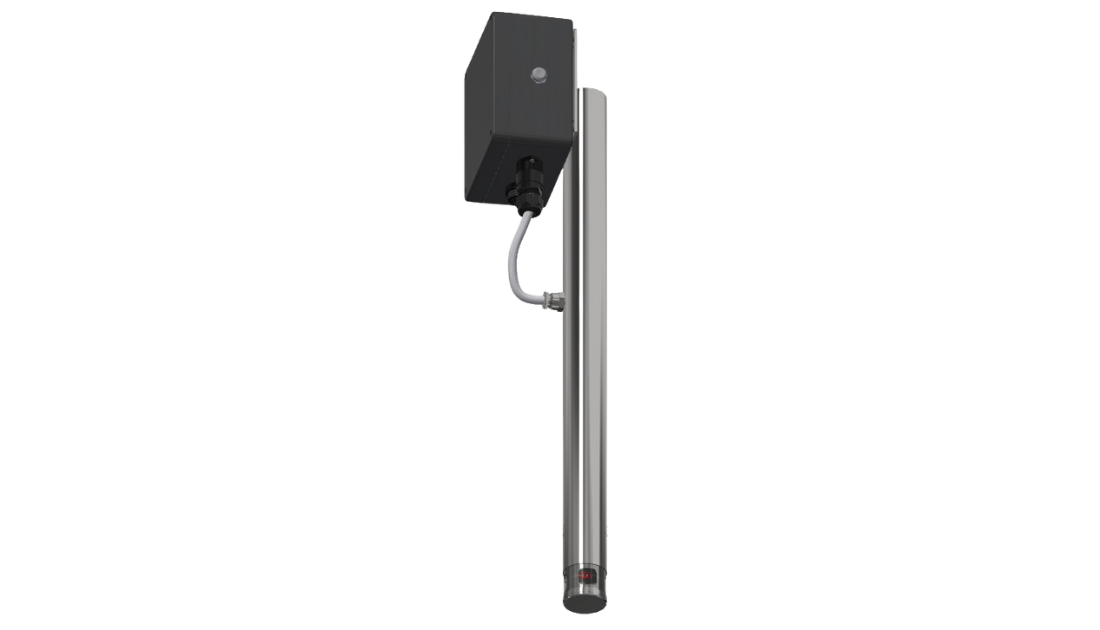
UV-A and UV-B radiometers
Broadband spectral response
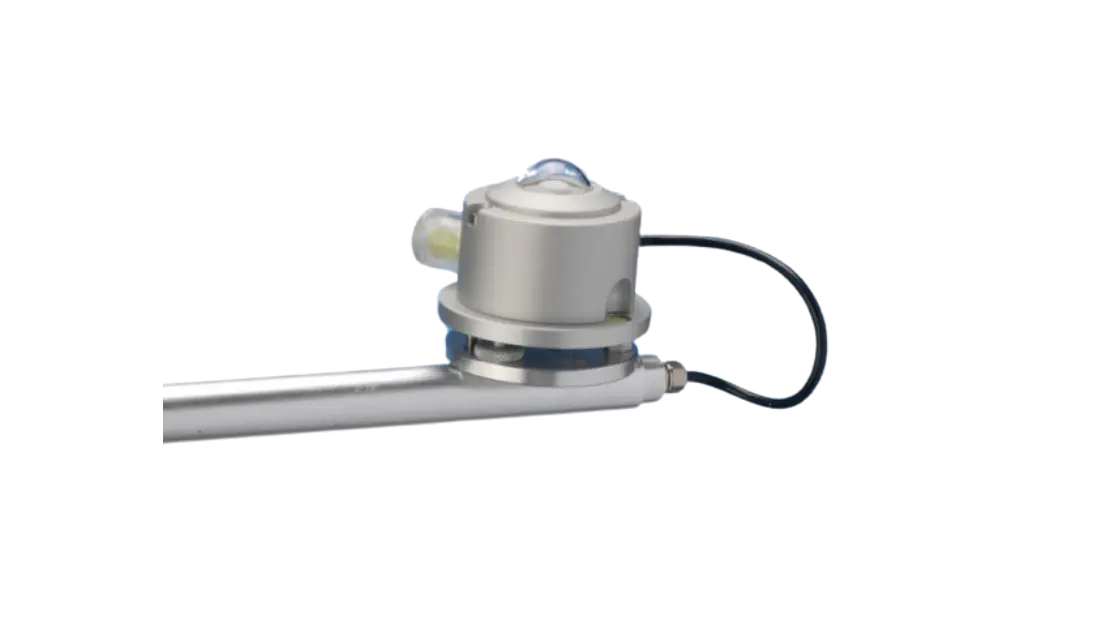
Radiometer with broad spectral response for measuring of atmospheric irradiance in the UV-A and UV-B spectrum
DATA SHEETS
Description
Description
Broadband spectral response
Radiometer with broad spectral response for measuring of atmospheric irradiance in the UV-A and UV-B spectrum. The sensing element is a photodiode with optical filter with interferential deposition in order to improve spectral transmission. A High-quality dome and diffuser improves cosine response for radiations coming from lower angles.
UV-A and UV-B radiometers
Highlights
- Good answer to the UV-A and UV-B band curves;
- Calibration made under the sun for a better response to sunshine and athospheric conditions;
- Traciability to ARPA Ivrea (Italy) laboratory (ISO17025);
- OVery good cosine response;
- Broadband spectral response;
- Thin film metal interference filter technology and specially developed silicon photodiode according to WMO requirements;
- Analogue output: 4÷20 mA and 10÷30 Vac/dc power supply;
- Model codes: DPA817, DPA822.
FAQ: Frequently Asked Questions
Why is it important to measure UV-A and UV-B separately?
Measuring UV-A and UV-B separately provides a more complete description of the ultraviolet radiation reaching the Earth’s surface. The two bands respond differently to atmospheric conditions and have different impacts on the environment, public health, and climate studies. Having both measurements helps better interpret the effects of ozone, cloud cover, aerosols, and surface reflectance.
In which applications are UV-A and UV-B radiometers used?
These sensors are particularly suitable for meteorological and environmental monitoring, agro-meteorology, air quality measurements, and more generally for outdoor installations requiring reliable measurements of atmospheric UV irradiance. Their broadband spectral response makes them well suited for natural solar radiation monitoring.
What makes LSI LASTEM UV-A and UV-B sensors reliable for outdoor measurements?
Reliability comes from a combination of design and metrological choices: a photodiode sensing element with interference optical filter, dome and diffuser to improve cosine response, outdoor calibration procedures, traceability to the ARPA Ivrea ISO 17025 laboratory, and compliance with WMO guidelines.
Can UV-A and UV-B radiometers also be used to estimate the UV Index?
Yes. Although they are not dedicated instruments for measuring erythemal spectral irradiance, the combined measurement of UV-A and UV-B allows an estimation of the UV Index. This is useful for integrating UV monitoring with more immediate information for sun exposure assessment and prevention purposes.
Additional information
Additional information
| Applications | Agro-meteorology, Air quality, Meteo observations, Museums and archaeological sites |
|---|---|
| Grandezze |
Product
DPA817-DPA822
Categories Meteo sensors, Sensors, Solar radiation
Broadband spectral response
Radiometer with broad spectral response for measuring of atmospheric irradiance in the UV-A and UV-B spectrum. The sensing element is a photodiode with optical filter with interferential deposition in order to improve spectral transmission. A High-quality dome and diffuser improves cosine response for radiations coming from lower angles.
UV-A and UV-B radiometers
Highlights
- Good answer to the UV-A and UV-B band curves;
- Calibration made under the sun for a better response to sunshine and athospheric conditions;
- Traciability to ARPA Ivrea (Italy) laboratory (ISO17025);
- OVery good cosine response;
- Broadband spectral response;
- Thin film metal interference filter technology and specially developed silicon photodiode according to WMO requirements;
- Analogue output: 4÷20 mA and 10÷30 Vac/dc power supply;
- Model codes: DPA817, DPA822.
FAQ: Frequently Asked Questions
Why is it important to measure UV-A and UV-B separately?
Measuring UV-A and UV-B separately provides a more complete description of the ultraviolet radiation reaching the Earth’s surface. The two bands respond differently to atmospheric conditions and have different impacts on the environment, public health, and climate studies. Having both measurements helps better interpret the effects of ozone, cloud cover, aerosols, and surface reflectance.
In which applications are UV-A and UV-B radiometers used?
These sensors are particularly suitable for meteorological and environmental monitoring, agro-meteorology, air quality measurements, and more generally for outdoor installations requiring reliable measurements of atmospheric UV irradiance. Their broadband spectral response makes them well suited for natural solar radiation monitoring.
What makes LSI LASTEM UV-A and UV-B sensors reliable for outdoor measurements?
Reliability comes from a combination of design and metrological choices: a photodiode sensing element with interference optical filter, dome and diffuser to improve cosine response, outdoor calibration procedures, traceability to the ARPA Ivrea ISO 17025 laboratory, and compliance with WMO guidelines.
Can UV-A and UV-B radiometers also be used to estimate the UV Index?
Yes. Although they are not dedicated instruments for measuring erythemal spectral irradiance, the combined measurement of UV-A and UV-B allows an estimation of the UV Index. This is useful for integrating UV monitoring with more immediate information for sun exposure assessment and prevention purposes.