Net radiometer
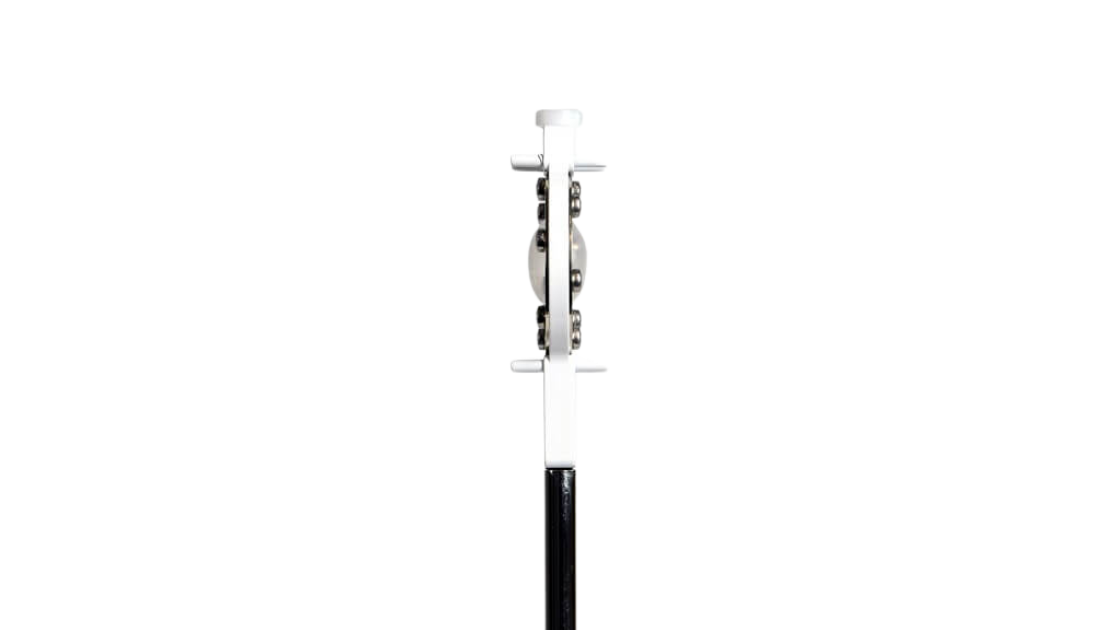
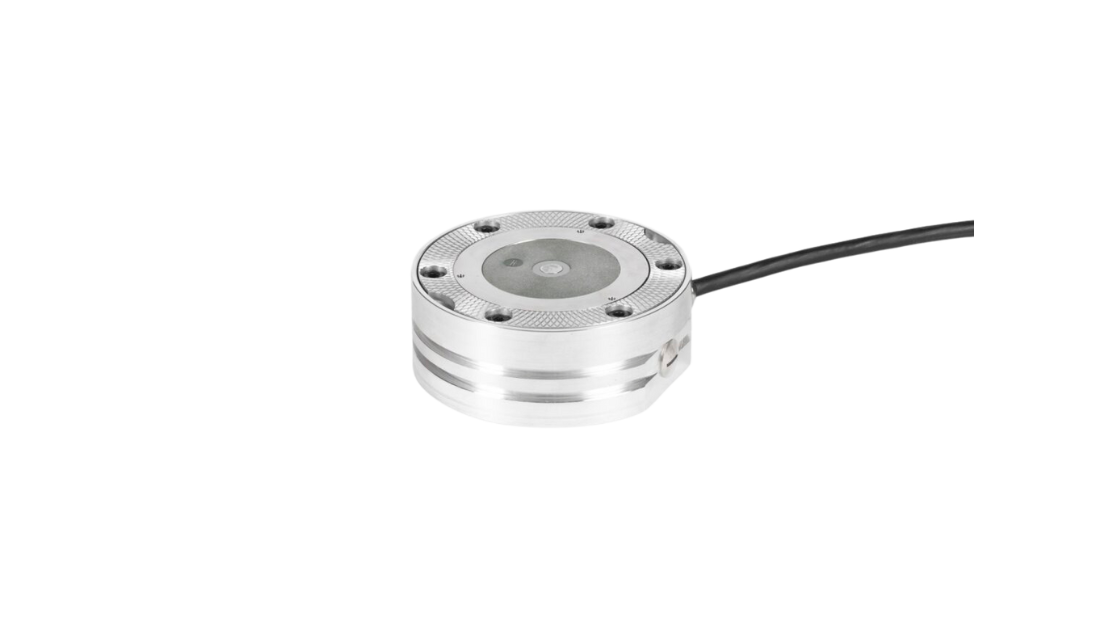
Sensor for measuring the radiant heat flow.
DATA SHEETS
Description
Description
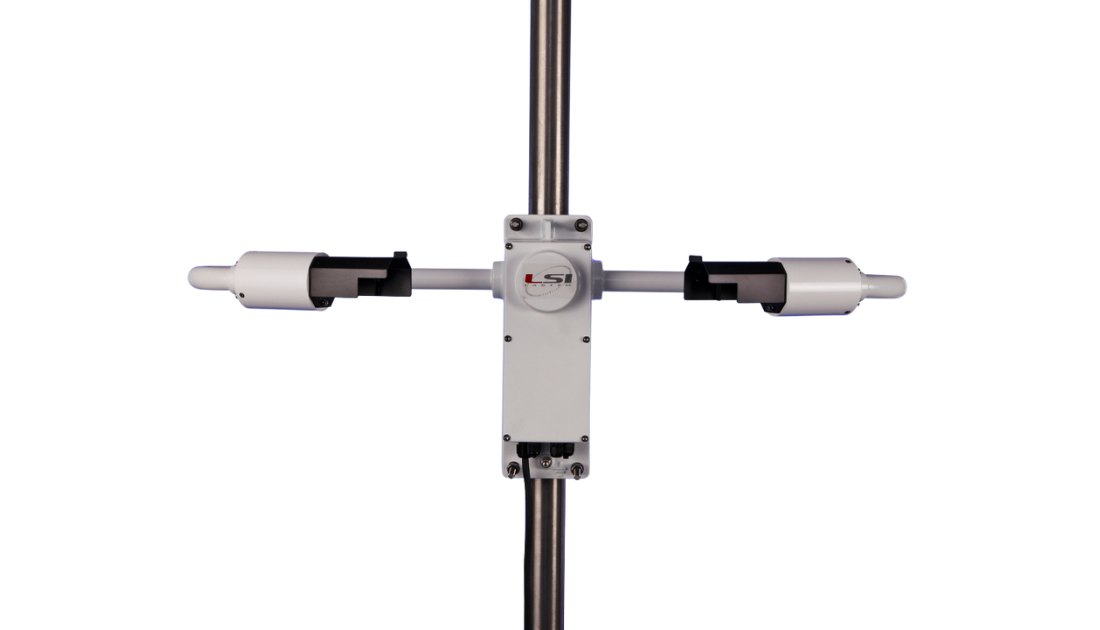
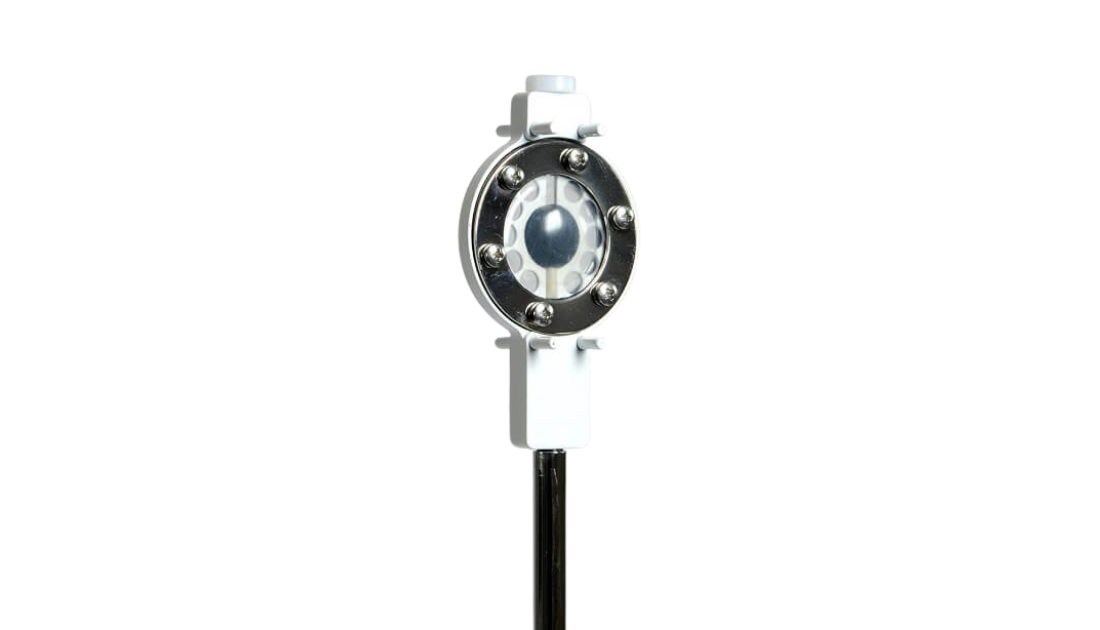
Sensor for measuring the radiant heat flow
Net radiometer is also designed for environments with low air velocities in which it is possible to obtain a measurement close to the plane average radiant temperature with the direction of the heat flow. The integrated air temperature sensor allows the calculation of the planar radiant asymmetry value on the three axes.
Portable use is possible or can be attached to a stand for extended measurements.
Net radiometer
Highlights
- Sensor for measuring the radiant heat flow between two opposite faces of a flat element;
- Integrated temperature sensor used to obtain the Planar Radiant Asymmetry;
- When connected to M/R-Log, it is possible to obtain a range of parameters related to the radiant asymmetry and local discomfort index as described in the ISO7726 and ISO7730 standards;
- Measurement of the Planar Radiant Asymmetry on three axes of the space;
- Fast response time;
- Model codes: PRRDA0110, PRRDA0111.
FAQ: Frequently Asked Questions
What is a net radiometer used for in indoor environments?
A net radiometer measures the radiant heat flux exchanged between the two opposite sides of the sensor. Indoors, it can characterise radiant heat exchanges between a person and surrounding surfaces such as walls, windows, ceilings and floors. Under low air velocity conditions, the measurement can also provide a value close to the plane radiant temperature and indicate the direction of the radiant heat flow.
How can a net radiometer be used in building energy assessment?
In buildings, a net radiometer can analyse radiant heat exchanges caused by surfaces at different temperatures, such as external walls, large glazed areas or radiant heating and cooling systems. These measurements can complement building energy assessments by helping to understand how surface temperatures affect indoor thermal conditions. For the specific in-situ determination of wall thermal transmittance (U-value), LSI LASTEM instead uses heat-flow and surface-temperature sensors according to ISO 9869-1.
What is radiant temperature asymmetry and why is it important for thermal comfort?
Radiant temperature asymmetry occurs when a person is exposed to surfaces with significantly different temperatures, for example a cold window on one side and a warm wall on the other. This can cause local thermal discomfort even when the room air temperature is comfortable. With its integrated air temperature sensor, the LSI LASTEM net radiometer can assess plane radiant temperature asymmetry along the three spatial axes and related local discomfort parameters according to ISO 7726 and ISO 7730.
Can the net radiometer be used for measurement surveys in buildings?
Yes. The LSI LASTEM net radiometer can be used as a portable instrument for microclimate surveys and measurements at different locations within a building, or mounted on a stand for longer monitoring campaigns. When connected to M-Log or E-Log data loggers, it supports the calculation of parameters related to radiant asymmetry and local thermal discomfort according to ISO 7726 and ISO 7730, making it suitable for buildings, offices, museums and other indoor environments.
Additional information
Additional information
| Grandezze | |
|---|---|
| Applications | Energy testing of buildings, IEQ and environmental comfort, Museums and archaeological sites, Stress and thermal comfort and related quantities portable |
Product
PRRDA0110-PRRDA0111
Categories Indoor sensors, Sensors, Thermal flow
Sensor for measuring the radiant heat flow
Net radiometer is also designed for environments with low air velocities in which it is possible to obtain a measurement close to the plane average radiant temperature with the direction of the heat flow. The integrated air temperature sensor allows the calculation of the planar radiant asymmetry value on the three axes.
Portable use is possible or can be attached to a stand for extended measurements.
Net radiometer
Highlights
- Sensor for measuring the radiant heat flow between two opposite faces of a flat element;
- Integrated temperature sensor used to obtain the Planar Radiant Asymmetry;
- When connected to M/R-Log, it is possible to obtain a range of parameters related to the radiant asymmetry and local discomfort index as described in the ISO7726 and ISO7730 standards;
- Measurement of the Planar Radiant Asymmetry on three axes of the space;
- Fast response time;
- Model codes: PRRDA0110, PRRDA0111.
FAQ: Frequently Asked Questions
What is a net radiometer used for in indoor environments?
A net radiometer measures the radiant heat flux exchanged between the two opposite sides of the sensor. Indoors, it can characterise radiant heat exchanges between a person and surrounding surfaces such as walls, windows, ceilings and floors. Under low air velocity conditions, the measurement can also provide a value close to the plane radiant temperature and indicate the direction of the radiant heat flow.
How can a net radiometer be used in building energy assessment?
In buildings, a net radiometer can analyse radiant heat exchanges caused by surfaces at different temperatures, such as external walls, large glazed areas or radiant heating and cooling systems. These measurements can complement building energy assessments by helping to understand how surface temperatures affect indoor thermal conditions. For the specific in-situ determination of wall thermal transmittance (U-value), LSI LASTEM instead uses heat-flow and surface-temperature sensors according to ISO 9869-1.
What is radiant temperature asymmetry and why is it important for thermal comfort?
Radiant temperature asymmetry occurs when a person is exposed to surfaces with significantly different temperatures, for example a cold window on one side and a warm wall on the other. This can cause local thermal discomfort even when the room air temperature is comfortable. With its integrated air temperature sensor, the LSI LASTEM net radiometer can assess plane radiant temperature asymmetry along the three spatial axes and related local discomfort parameters according to ISO 7726 and ISO 7730.
Can the net radiometer be used for measurement surveys in buildings?
Yes. The LSI LASTEM net radiometer can be used as a portable instrument for microclimate surveys and measurements at different locations within a building, or mounted on a stand for longer monitoring campaigns. When connected to M-Log or E-Log data loggers, it supports the calculation of parameters related to radiant asymmetry and local thermal discomfort according to ISO 7726 and ISO 7730, making it suitable for buildings, offices, museums and other indoor environments.