VOCs sensors
Volatile organic compounds
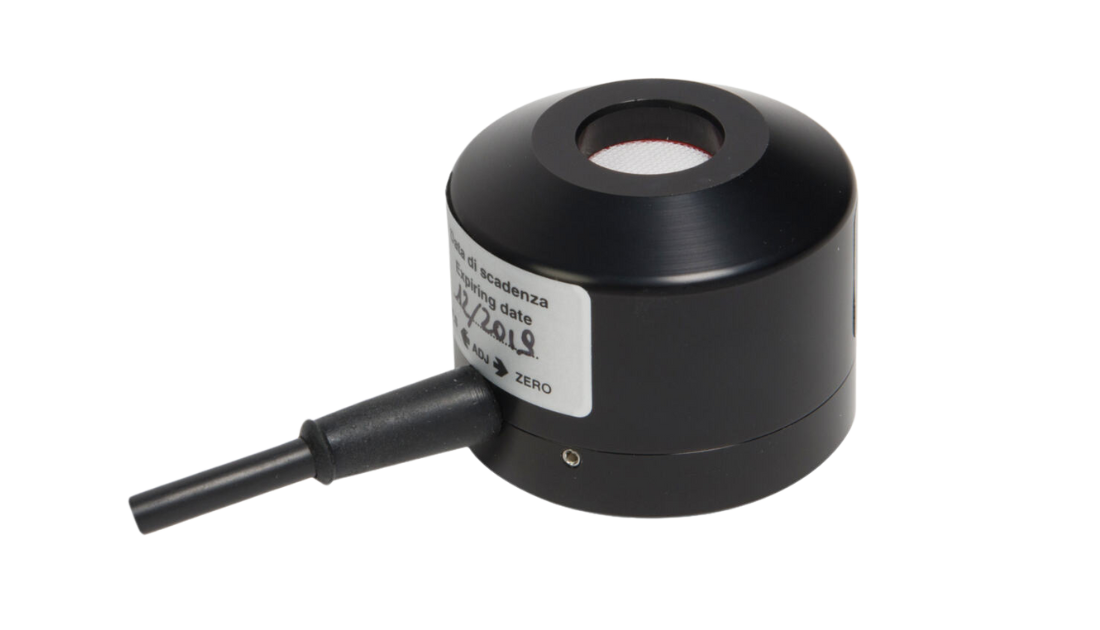
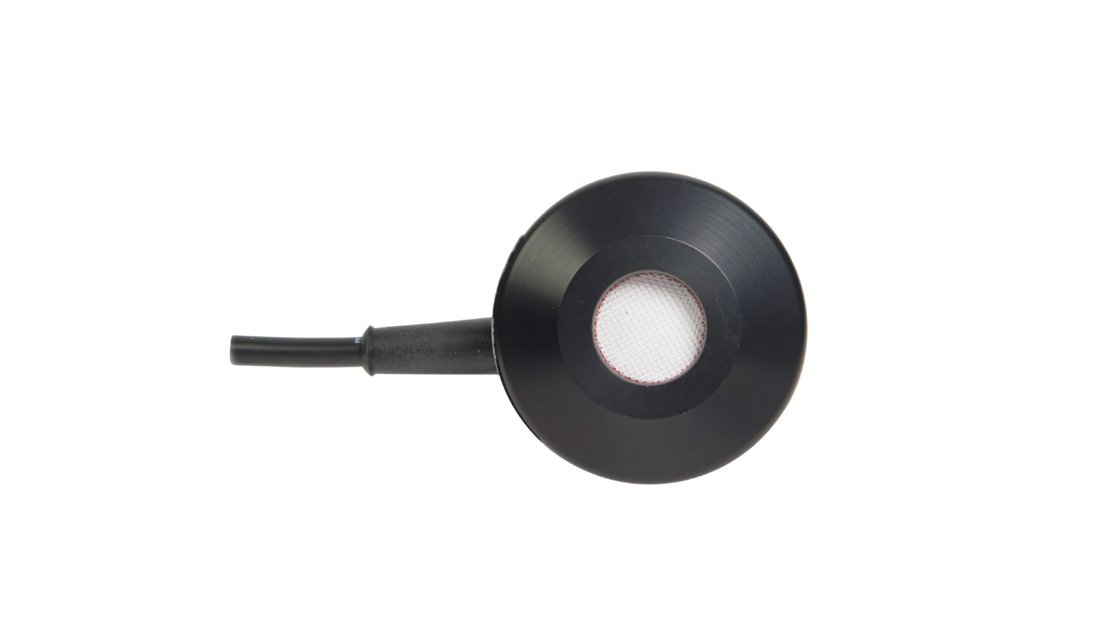
Sensor for measuring Volatile organic compounds.
DATA SHEETS
Description
Description
Volatile organic compounds
Range of sensors for measuring gas concentration in indoor environments. The CO2 sensors are based on infra-red cell technology and the VOCs sensors on the PID cell technology.
The line includes sensors with cables and mini-DIN connectors, to be used with LSI LASTEM data loggers type M-Log and sensors with 4-20 mA output that can be used by third party systems or LSI LASTEM data logger with inputs terminal block.
The sensors are based on electrochemical cell technology.
VOCs sensors
Highlights
- Wide range of sensors optimized for indoor air quality monitoring;
- Portable and stand-alone applications in indoor environments;
- Possibility to calibrate the sensor using “zero” and “span” trimmers. Not for CO2;
- 4-20 mA output, free wires cable L.10 m (DSOxxx series).
- mV output and cable with MiniDIN connector type (ESOxxx series);
- Model codes: ESO150, DSO150A, DSO152A.
FAQ: Frequently Asked Questions
Why is VOC monitoring important for Indoor Environmental Quality (IEQ)?
Volatile Organic Compounds (VOCs) can be emitted by many sources found indoors, including building materials, furniture and fabrics, paints, adhesives, cleaning products and activities carried out by occupants. Monitoring VOC concentrations helps identify changes and possible accumulation of gaseous contaminants, making VOC measurement an important part of Indoor Environmental Quality (IEQ) assessment.
What is the difference between monitoring VOCs and CO₂ indoors?
CO₂ and VOC measurements provide complementary information. In occupied spaces, CO₂ is mainly used to assess the relationship between occupancy and ventilation, whereas VOC monitoring can detect organic contaminants generated by materials, furnishings, chemical products and indoor activities. A multiparameter IEQ monitoring system can therefore combine CO₂, VOCs, temperature, humidity and other parameters to provide a more comprehensive picture of indoor conditions.
Which VOCs can LSI LASTEM PID sensors detect?
LSI LASTEM VOC sensors use PID (Photo Ionization Detector) technology with a 10.6 eV UV lamp. This technology can detect many compounds with an ionisation energy below 10.6 eV, including aromatic hydrocarbons such as benzene, ethylbenzene and toluene, some aliphatic hydrocarbons and several alcohols. The sensor provides an overall measurement of detectable VOC concentration rather than selective identification of individual compounds.
Can LSI LASTEM VOC sensors be used for both portable and continuous IEQ monitoring?
Yes. LSI LASTEM VOC sensors are designed for both portable measurement surveys and fixed indoor installations. The range includes models with mV output and MiniDIN connectors for LSI LASTEM data loggers, as well as versions with 4–20 mA output that can also be integrated into third-party acquisition systems, supporting both temporary surveys and continuous indoor air quality monitoring.
Additional information
Additional information
| Applications | IEQ and environmental comfort, Museums and archaeological sites, Stress and thermal comfort and related quantities portable, Waste cycle |
|---|---|
| Grandezze |
Product
ESO150-DSO150A-DSO152A
Categories Gas, Indoor sensors, Sensors
Volatile organic compounds
Range of sensors for measuring gas concentration in indoor environments. The CO2 sensors are based on infra-red cell technology and the VOCs sensors on the PID cell technology.
The line includes sensors with cables and mini-DIN connectors, to be used with LSI LASTEM data loggers type M-Log and sensors with 4-20 mA output that can be used by third party systems or LSI LASTEM data logger with inputs terminal block.
The sensors are based on electrochemical cell technology.
VOCs sensors
Highlights
- Wide range of sensors optimized for indoor air quality monitoring;
- Portable and stand-alone applications in indoor environments;
- Possibility to calibrate the sensor using “zero” and “span” trimmers. Not for CO2;
- 4-20 mA output, free wires cable L.10 m (DSOxxx series).
- mV output and cable with MiniDIN connector type (ESOxxx series);
- Model codes: ESO150, DSO150A, DSO152A.
FAQ: Frequently Asked Questions
Why is VOC monitoring important for Indoor Environmental Quality (IEQ)?
Volatile Organic Compounds (VOCs) can be emitted by many sources found indoors, including building materials, furniture and fabrics, paints, adhesives, cleaning products and activities carried out by occupants. Monitoring VOC concentrations helps identify changes and possible accumulation of gaseous contaminants, making VOC measurement an important part of Indoor Environmental Quality (IEQ) assessment.
What is the difference between monitoring VOCs and CO₂ indoors?
CO₂ and VOC measurements provide complementary information. In occupied spaces, CO₂ is mainly used to assess the relationship between occupancy and ventilation, whereas VOC monitoring can detect organic contaminants generated by materials, furnishings, chemical products and indoor activities. A multiparameter IEQ monitoring system can therefore combine CO₂, VOCs, temperature, humidity and other parameters to provide a more comprehensive picture of indoor conditions.
Which VOCs can LSI LASTEM PID sensors detect?
LSI LASTEM VOC sensors use PID (Photo Ionization Detector) technology with a 10.6 eV UV lamp. This technology can detect many compounds with an ionisation energy below 10.6 eV, including aromatic hydrocarbons such as benzene, ethylbenzene and toluene, some aliphatic hydrocarbons and several alcohols. The sensor provides an overall measurement of detectable VOC concentration rather than selective identification of individual compounds.
Can LSI LASTEM VOC sensors be used for both portable and continuous IEQ monitoring?
Yes. LSI LASTEM VOC sensors are designed for both portable measurement surveys and fixed indoor installations. The range includes models with mV output and MiniDIN connectors for LSI LASTEM data loggers, as well as versions with 4–20 mA output that can also be integrated into third-party acquisition systems, supporting both temporary surveys and continuous indoor air quality monitoring.