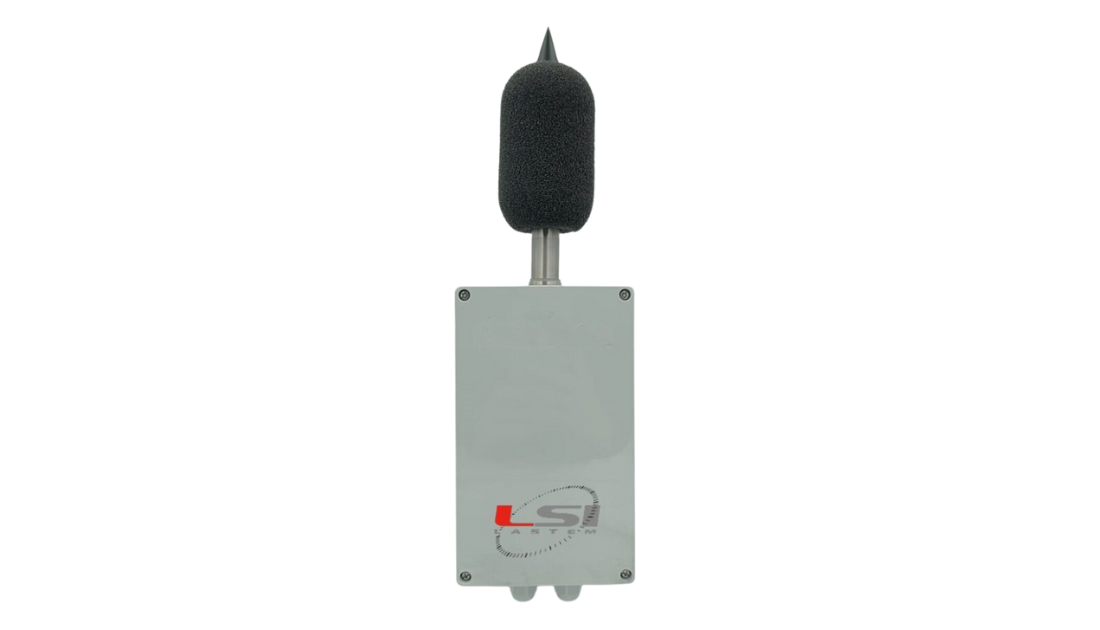
Combined cups and vane
Combined wind speed and wind direction sensors.
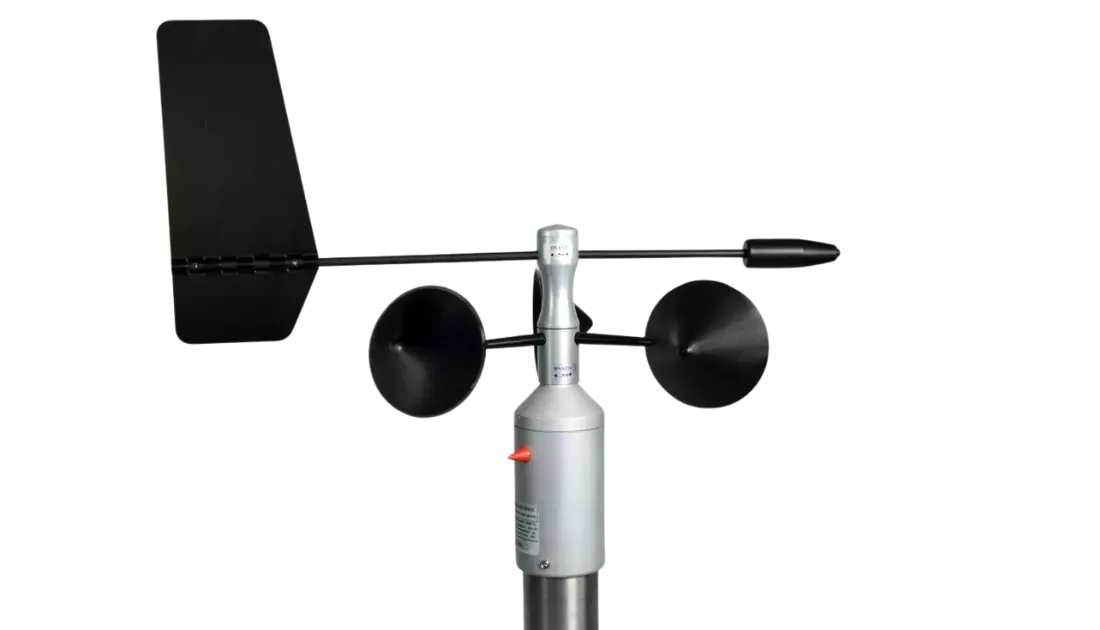
This sensors range includes, in a single apparatus, transducers for both wind speed and wind direction measurements
Combined wind speed and wind direction sensor. This sensors range includes, in a single apparatus, transducers for both wind speed and wind direction measurement.
Its use simplifies installation requirements, other than being smaller, lighter and cheaper than the general 2-sensors kit.
Accuracy and thresholds are anyway near to be comparable with a 2-sensors cup and vane kit alternatives. Different data output signals are available.
DATA SHEETS
Description
Description
Combined cups and vane
Highlights
- Alternative signal outputs: (Hz+0-1 V), 0-5 V, 4-20 mA, RS485 Modbus;
- Wide power supply: 9-30 Vac/dc;
- Simple to install on pole 5 cm diameter;
- High demage threshold up to 75 m/s;
- Optional cable up to L.100 m In house;
- ISO17025 accredited calibration laboratory;
- Model codes: DNA131, DNA831, DNA831.1, DNA831.2, DNA837, DNA931.
FAQ: Frequently Asked Questions
What is a combined wind speed and direction sensor used for?
A combined wind speed and direction sensor measures both wind speed and wind direction with a single instrument. This configuration simplifies installation, reduces footprint and cabling, and provides both parameters needed to describe wind conditions in meteorological and environmental applications.
What advantages does a combined sensor offer compared with two separate sensors?
A combined sensor is more compact, lighter, and more cost-effective than a setup consisting of a separate cup anemometer and wind vane. Its performance in terms of accuracy and measurement threshold remains comparable to that of a traditional two-sensor system, making it suitable when installation needs to be optimized without compromising data quality.
In which applications can LSI LASTEM combined wind sensors be used?
They can be used in meteorological observations, agrometeorology, airports, ports, railways, road monitoring, renewable energy, hydrology, air quality, and waste management. Measuring both wind speed and direction is useful not only for describing weather conditions, but also for interpreting pollutant dispersion and the behaviour of plants and infrastructure.
What does the reliability of wind speed and direction measurement depend on?
Reliability depends on the quality of the transducers, correct sensor exposure, proper mounting on the mast, and calibration. LSI LASTEM combined wind sensors are designed to measure wind speeds up to 75 m/s, offer different analogue and digital outputs, and can be supported by calibrations from the internal ISO/IEC 17025 accredited laboratory for wind speed.
Additional information
Additional information
| Applications | Agro-meteorology, Air quality, Airports and roads, Hydrology, Meteo observations, Museums and archaeological sites, Ports and railways, Renewable energies, Waste cycle |
|---|---|
| Grandezze |
Product
DNA131-DNA831-DNA831.1-DNA831.2-DNA837-DNA931
Categories Meteo sensors, Sensors, Wind direction and speed
Combined cups and vane
Highlights
- Alternative signal outputs: (Hz+0-1 V), 0-5 V, 4-20 mA, RS485 Modbus;
- Wide power supply: 9-30 Vac/dc;
- Simple to install on pole 5 cm diameter;
- High demage threshold up to 75 m/s;
- Optional cable up to L.100 m In house;
- ISO17025 accredited calibration laboratory;
- Model codes: DNA131, DNA831, DNA831.1, DNA831.2, DNA837, DNA931.
FAQ: Frequently Asked Questions
What is a combined wind speed and direction sensor used for?
A combined wind speed and direction sensor measures both wind speed and wind direction with a single instrument. This configuration simplifies installation, reduces footprint and cabling, and provides both parameters needed to describe wind conditions in meteorological and environmental applications.
What advantages does a combined sensor offer compared with two separate sensors?
A combined sensor is more compact, lighter, and more cost-effective than a setup consisting of a separate cup anemometer and wind vane. Its performance in terms of accuracy and measurement threshold remains comparable to that of a traditional two-sensor system, making it suitable when installation needs to be optimized without compromising data quality.
In which applications can LSI LASTEM combined wind sensors be used?
They can be used in meteorological observations, agrometeorology, airports, ports, railways, road monitoring, renewable energy, hydrology, air quality, and waste management. Measuring both wind speed and direction is useful not only for describing weather conditions, but also for interpreting pollutant dispersion and the behaviour of plants and infrastructure.
What does the reliability of wind speed and direction measurement depend on?
Reliability depends on the quality of the transducers, correct sensor exposure, proper mounting on the mast, and calibration. LSI LASTEM combined wind sensors are designed to measure wind speeds up to 75 m/s, offer different analogue and digital outputs, and can be supported by calibrations from the internal ISO/IEC 17025 accredited laboratory for wind speed.