Wet Bulb Temperature
Wet bulb temperature measurement with natural ventilation
LSI LASTEM supplies a vast range of indoor monitoring sensors addressed to their own data acquisition device as well as to third part data management systems.
The sensor range include sensors for portable application as well as fix application.
Naturally ventilated wet bulb temperature sensor
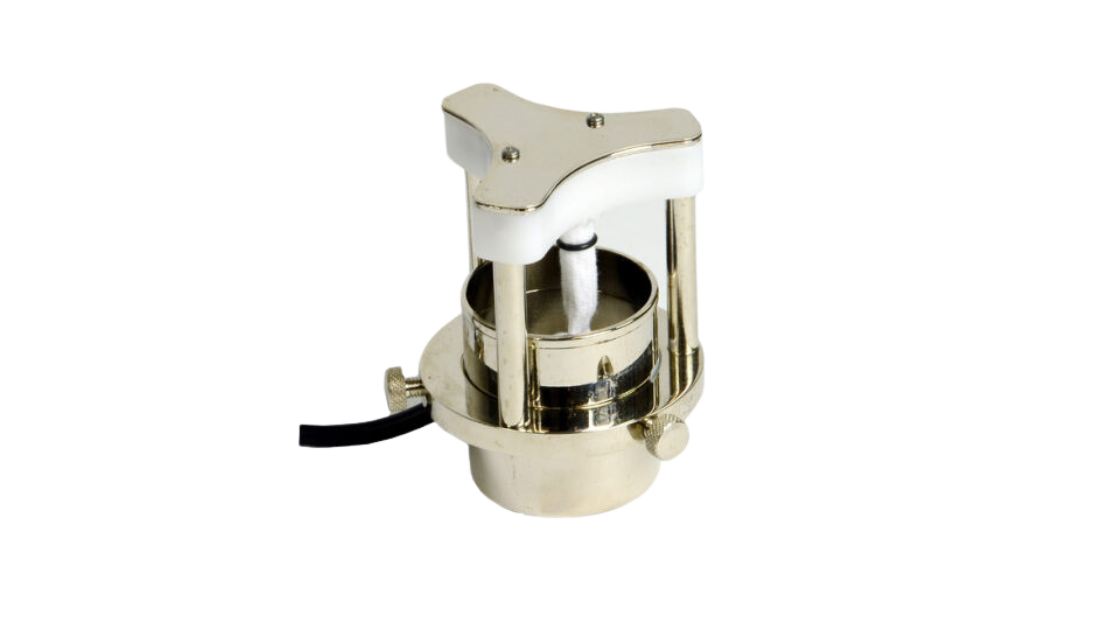
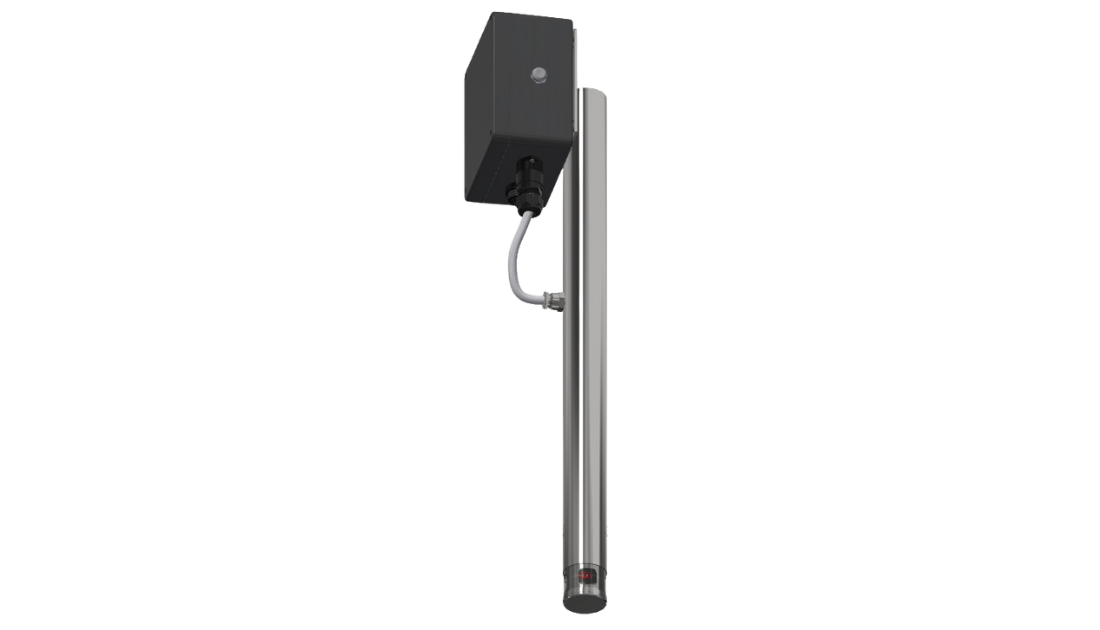
Thermometric probe with wet bulb and natural ventilation ISO7726 standard.
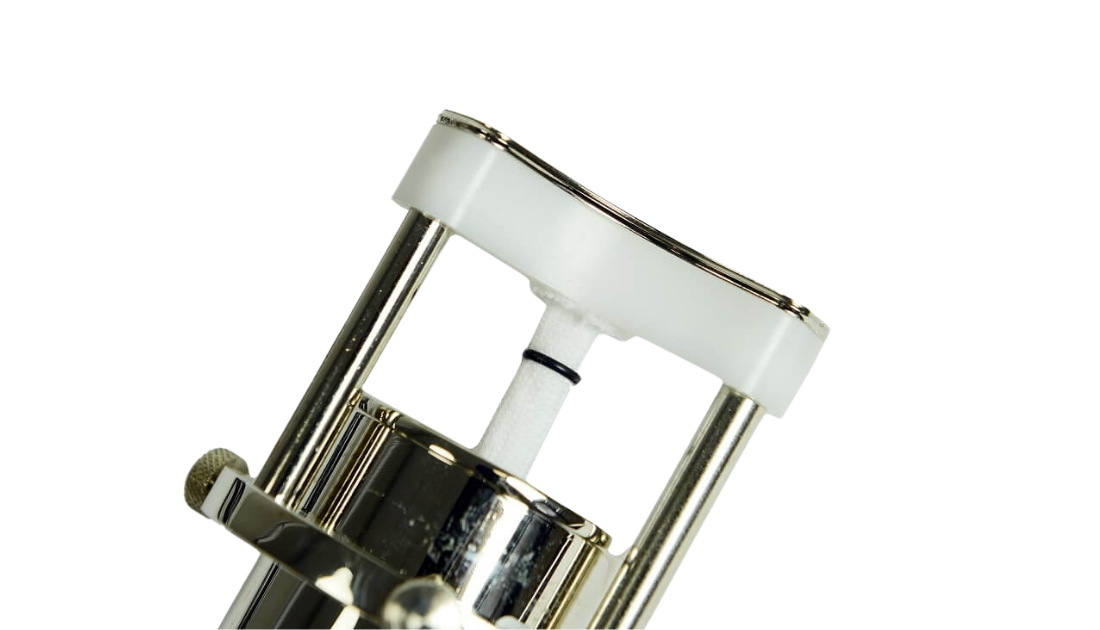
The Pt100 element is closed inside a wet cotton sock from a water tank. The water tank has a high reflection factor in order to avoid water temperature increase due to radiant sources. The sensor is needed for WBGT (ISO7243) heat stress index measurement.
DATA SHEETS
Description
Description
Wet Bulb Temperature
Highlights
- Wet bulb temperature measurement with natural ventilation as required for the calculation of the WBGT index (ISO 7243) in portable and/or indoor installations;
- Designed as described in the ISO7726 standard for the “Wet Bulb Temperature”;
- Superfici riflettenti per evitare l’accumulo di calore;
- Possibilità di certificazione ISO17025 presso i laboratori accreditati LAT205 di LSI LASTEM;
- Model code: ESU121.
FAQ: Frequently Asked Questions
Why is natural wet-bulb temperature important in microclimatic calculations?
Natural wet-bulb temperature (Tnw) reflects the combined effects of air temperature, humidity and natural air movement on evaporative cooling. It is one of the key variables used to calculate the WBGT index because it provides a more representative assessment of the thermal load experienced by a person than air temperature alone. For this reason, Tnw is mainly used in heat stress and microclimate assessments in both indoor and outdoor environments.
Which standards use natural wet-bulb temperature for heat stress assessment?
The LSI LASTEM natural wet-bulb temperature sensor is designed according to ISO 7726, the reference standard for instruments used to measure physical quantities in thermal environments. Tnw is also required for WBGT calculation according to ISO 7243, a screening method used to assess occupational heat stress in indoor and outdoor environments. In the WBGT calculation, natural wet-bulb temperature is combined with globe temperature and, under the conditions specified by the standard, air temperature.
Can a wet-bulb temperature sensor be used for both mobile surveys and fixed monitoring?
Yes. Natural wet-bulb temperature can be measured during mobile or temporary microclimatic surveys, for example to assess different workstations, and can also be integrated into fixed systems for long-term heat stress monitoring. LSI LASTEM provides sensors for portable and indoor applications as well as models for fixed indoor and outdoor installations, allowing the monitoring configuration to be adapted to the duration and objectives of the measurement campaign.
Why is wet-bulb temperature monitoring increasingly important as extreme heat becomes more frequent?
As extreme heat events become more frequent and intense, assessing human exposure from air temperature alone may not adequately represent actual thermal stress. The body’s ability to dissipate heat through evaporation also depends strongly on humidity and air movement. Natural wet-bulb temperature directly reflects these effects and is therefore particularly important, together with globe temperature, for WBGT calculation and for monitoring heat stress in workplaces, indoor environments and outdoor spaces.
Additional information
Additional information
| Grandezze | |
|---|---|
| Applications | IEQ and environmental comfort, Stress and thermal comfort and related quantities portable |
Product
ESU121
Categories Indoor sensors, Sensors, Temperature
Wet Bulb Temperature
Highlights
- Wet bulb temperature measurement with natural ventilation as required for the calculation of the WBGT index (ISO 7243) in portable and/or indoor installations;
- Designed as described in the ISO7726 standard for the “Wet Bulb Temperature”;
- Superfici riflettenti per evitare l’accumulo di calore;
- Possibilità di certificazione ISO17025 presso i laboratori accreditati LAT205 di LSI LASTEM;
- Model code: ESU121.
FAQ: Frequently Asked Questions
Why is natural wet-bulb temperature important in microclimatic calculations?
Natural wet-bulb temperature (Tnw) reflects the combined effects of air temperature, humidity and natural air movement on evaporative cooling. It is one of the key variables used to calculate the WBGT index because it provides a more representative assessment of the thermal load experienced by a person than air temperature alone. For this reason, Tnw is mainly used in heat stress and microclimate assessments in both indoor and outdoor environments.
Which standards use natural wet-bulb temperature for heat stress assessment?
The LSI LASTEM natural wet-bulb temperature sensor is designed according to ISO 7726, the reference standard for instruments used to measure physical quantities in thermal environments. Tnw is also required for WBGT calculation according to ISO 7243, a screening method used to assess occupational heat stress in indoor and outdoor environments. In the WBGT calculation, natural wet-bulb temperature is combined with globe temperature and, under the conditions specified by the standard, air temperature.
Can a wet-bulb temperature sensor be used for both mobile surveys and fixed monitoring?
Yes. Natural wet-bulb temperature can be measured during mobile or temporary microclimatic surveys, for example to assess different workstations, and can also be integrated into fixed systems for long-term heat stress monitoring. LSI LASTEM provides sensors for portable and indoor applications as well as models for fixed indoor and outdoor installations, allowing the monitoring configuration to be adapted to the duration and objectives of the measurement campaign.
Why is wet-bulb temperature monitoring increasingly important as extreme heat becomes more frequent?
As extreme heat events become more frequent and intense, assessing human exposure from air temperature alone may not adequately represent actual thermal stress. The body’s ability to dissipate heat through evaporation also depends strongly on humidity and air movement. Natural wet-bulb temperature directly reflects these effects and is therefore particularly important, together with globe temperature, for WBGT calculation and for monitoring heat stress in workplaces, indoor environments and outdoor spaces.