Snow level
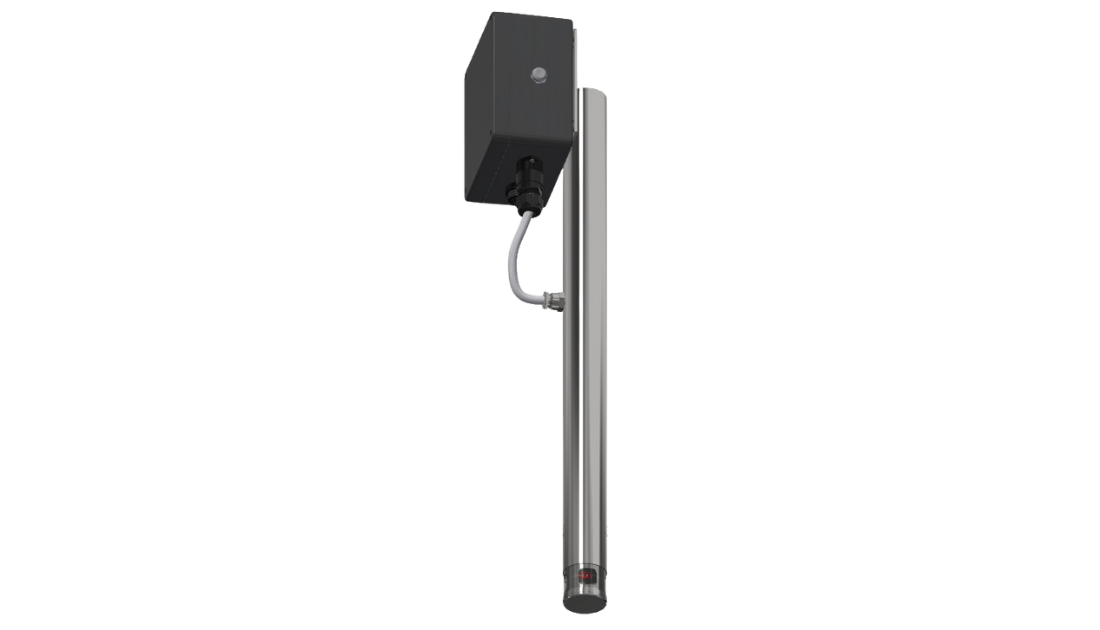
Sensor for measuring the height of the snowpack
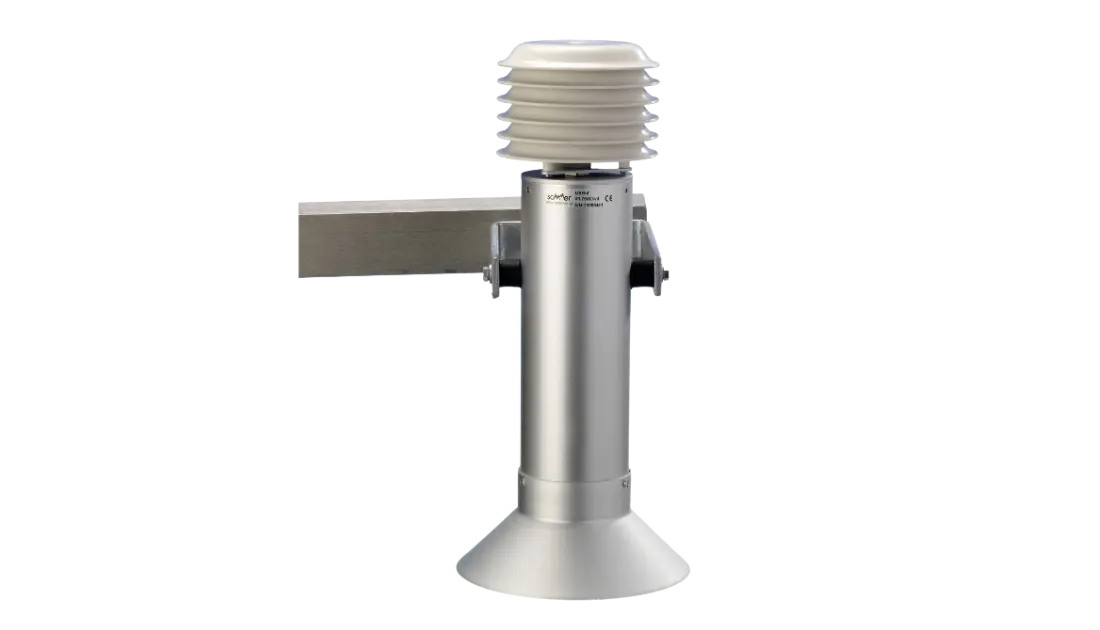
The robust design of DQL011.1 makes it the ideal solution for reliable measurement of snow-depth in extreme conditions. The additional air-temperature detection feature guarantees precise readings over a wide temperature range.
DATA SHEETS
Description
Description
Sensor for measuring the height of the snowpack
The powerful ultrasonic impulses emitted by this sensor deliver reliable readings even when there is a difficult reflection ratio, as is the case with powdery or fresh snow. The sensor is characterized by a high level of operating reliability, low energy consumption and ease of use in the field.
Snow level
Highlights
- Ultra-sonic technology with wide range temperature compensation;
- Snow Distance/Depth and Air temperature measurements;
- Present weather information: Snow intensity, snowing starting time (RS-485);
- Analogue (4-20 mA) and digital (RS-485 Modbus) outputs;
- Air temperature compensation;
- Low power consumption;
- Model code: DQL011.1.
FAQ: Frequently Asked Questions
How does the sensor measure snow depth?
The sensor uses the ultrasonic measurement principle. It emits acoustic pulses toward the snow surface and measures the time taken for the signal to reach the surface and return to the sensor. By knowing the distance from the sensor to the snow-free ground, the system calculates snow depth by difference.
Why is air temperature measurement important for snow depth?
The speed of sound in air changes with temperature. The sensor therefore also measures air temperature and uses it to automatically compensate the distance calculation, improving accuracy over a wide climatic range, including typical mountain and winter conditions.
How should the sensor be installed to measure snow depth correctly?
The sensor should be mounted vertically above a representative surface, pointing toward the ground and with no obstacles inside the measurement cone. A minimum installation height of 3 m above the ground is recommended, with the sensor positioned at least 1 m above the maximum expected snow level. After installation, the distance between the sensor and the ground reference level must be configured.
How should the installation site for a snow depth sensor be selected?
The site should be flat, or only slightly sloped, representative of the monitored area, and away from trees, buildings, rocks, or other elements that could interfere with the ultrasonic beam. Areas subject to abnormal snow accumulation, wind erosion, or avalanche risk should also be avoided, and any fencing should be far enough away not to create drifts.
Additional information
Additional information
| Applications | Agro-meteorology, Airports and roads, Hydrology, Meteo observations |
|---|---|
| Grandezze |
Product
DQL011.1
Categories Meteo sensors, Sensors, Snow level
Sensor for measuring the height of the snowpack
The powerful ultrasonic impulses emitted by this sensor deliver reliable readings even when there is a difficult reflection ratio, as is the case with powdery or fresh snow. The sensor is characterized by a high level of operating reliability, low energy consumption and ease of use in the field.
Snow level
Highlights
- Ultra-sonic technology with wide range temperature compensation;
- Snow Distance/Depth and Air temperature measurements;
- Present weather information: Snow intensity, snowing starting time (RS-485);
- Analogue (4-20 mA) and digital (RS-485 Modbus) outputs;
- Air temperature compensation;
- Low power consumption;
- Model code: DQL011.1.
FAQ: Frequently Asked Questions
How does the sensor measure snow depth?
The sensor uses the ultrasonic measurement principle. It emits acoustic pulses toward the snow surface and measures the time taken for the signal to reach the surface and return to the sensor. By knowing the distance from the sensor to the snow-free ground, the system calculates snow depth by difference.
Why is air temperature measurement important for snow depth?
The speed of sound in air changes with temperature. The sensor therefore also measures air temperature and uses it to automatically compensate the distance calculation, improving accuracy over a wide climatic range, including typical mountain and winter conditions.
How should the sensor be installed to measure snow depth correctly?
The sensor should be mounted vertically above a representative surface, pointing toward the ground and with no obstacles inside the measurement cone. A minimum installation height of 3 m above the ground is recommended, with the sensor positioned at least 1 m above the maximum expected snow level. After installation, the distance between the sensor and the ground reference level must be configured.
How should the installation site for a snow depth sensor be selected?
The site should be flat, or only slightly sloped, representative of the monitored area, and away from trees, buildings, rocks, or other elements that could interfere with the ultrasonic beam. Areas subject to abnormal snow accumulation, wind erosion, or avalanche risk should also be avoided, and any fencing should be far enough away not to create drifts.