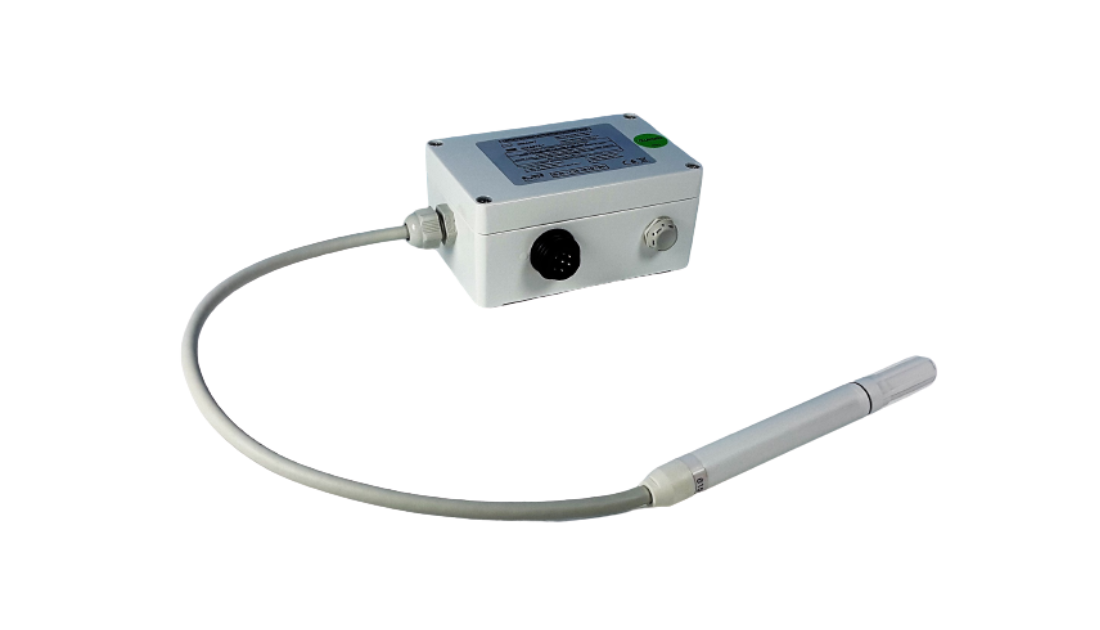
Water conductivity, temperature and level
Corrosion resistant titanium sensors
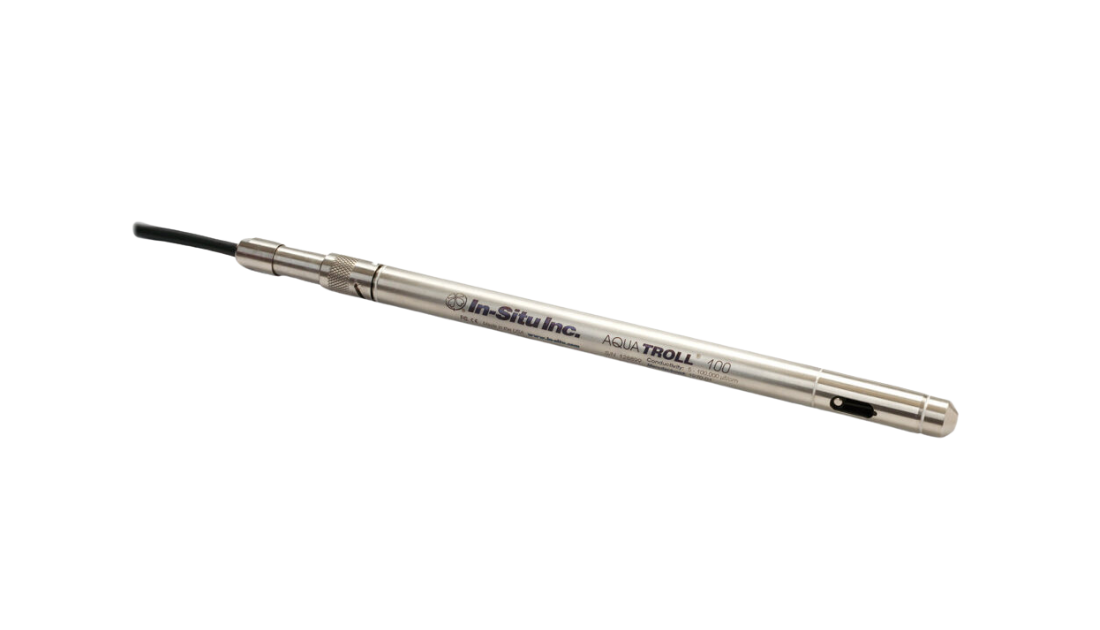
Extremely robust sensors for measuring water conductivity temperature and level.
The LSI LASTEM range includes piezometric, radar and four-electrode technology sensors in resistant and integrated titanium.
With its built-in, durable four-electrode titanium technology and shatterproof body, this sensor can be used in severe applications such as sewage treatment plants and landfill leachate.
DATA SHEETS
Description
Description
Water conductivity, temperature and level
Highlights
- Corrosion resistant titanium sensors ideal for coastal, remediation, waste disposal and mine water monitoring applications;
- Electrodes and sensor body made of Titanium;
- Communication protocols available: 4 ÷ 20 mA, SDI12, RS485;
- Excellent accuracy over the entire conductivity measurement range: 0 ÷ 100000 μS / cm;
- Model codes: DQA410, DQA420.
FAQ: Frequently Asked Questions
Why monitor water conductivity, temperature and level in monitoring wells and landfills?
Combined conductivity, temperature and water-level measurements make it possible to track changes in both water characteristics and hydraulic conditions over time. This is particularly useful in monitoring wells, landfills and leachate waters, where changes in conductivity can indicate variations in dissolved ionic substances, while water level and temperature provide additional information on changing water conditions. Continuous monitoring helps identify trends and anomalies that may require further investigation or laboratory analysis.
Why is electrical conductivity an important parameter for water and leachate monitoring?
Electrical conductivity indicates the ability of water to conduct an electrical current and is related to the presence of dissolved ions. It does not identify a specific contaminant, but it is an effective parameter for detecting changes in water composition and tracking trends over time. This makes conductivity particularly useful for environmental monitoring of landfill leachate, groundwater, process water and remediation sites.
Which parameters do LSI LASTEM DQA410 and DQA420 water sensors measure?
The DQA410 measures water conductivity and temperature, while the DQA420 also measures water level. Conductivity is measured using four titanium electrodes over a range up to 100,000 µS/cm; digital outputs also provide derived parameters including temperature-compensated specific conductivity, salinity, TDS and resistivity. This combination provides multiple parameters from a single sensor for hydrological and environmental monitoring.
Why are LSI LASTEM sensors suitable for water monitoring in landfills and harsh environments?
DQA410 and DQA420 sensors feature corrosion-resistant titanium electrodes and housing and a robust construction designed for demanding applications. LSI LASTEM specifically recommends them for wastewater treatment plants, landfills, remediation sites, mine water monitoring and coastal applications. 4–20 mA, SDI-12 and RS485 outputs also allow integration into continuous data acquisition and monitoring systems.
Additional information
Additional information
| Grandezze | |
|---|---|
| Applications |
Product
DQA410-DQA420
Categories Sensors, Water conductivity, temperature and level, Water sensors
Water conductivity, temperature and level
Highlights
- Corrosion resistant titanium sensors ideal for coastal, remediation, waste disposal and mine water monitoring applications;
- Electrodes and sensor body made of Titanium;
- Communication protocols available: 4 ÷ 20 mA, SDI12, RS485;
- Excellent accuracy over the entire conductivity measurement range: 0 ÷ 100000 μS / cm;
- Model codes: DQA410, DQA420.
FAQ: Frequently Asked Questions
Why monitor water conductivity, temperature and level in monitoring wells and landfills?
Combined conductivity, temperature and water-level measurements make it possible to track changes in both water characteristics and hydraulic conditions over time. This is particularly useful in monitoring wells, landfills and leachate waters, where changes in conductivity can indicate variations in dissolved ionic substances, while water level and temperature provide additional information on changing water conditions. Continuous monitoring helps identify trends and anomalies that may require further investigation or laboratory analysis.
Why is electrical conductivity an important parameter for water and leachate monitoring?
Electrical conductivity indicates the ability of water to conduct an electrical current and is related to the presence of dissolved ions. It does not identify a specific contaminant, but it is an effective parameter for detecting changes in water composition and tracking trends over time. This makes conductivity particularly useful for environmental monitoring of landfill leachate, groundwater, process water and remediation sites.
Which parameters do LSI LASTEM DQA410 and DQA420 water sensors measure?
The DQA410 measures water conductivity and temperature, while the DQA420 also measures water level. Conductivity is measured using four titanium electrodes over a range up to 100,000 µS/cm; digital outputs also provide derived parameters including temperature-compensated specific conductivity, salinity, TDS and resistivity. This combination provides multiple parameters from a single sensor for hydrological and environmental monitoring.
Why are LSI LASTEM sensors suitable for water monitoring in landfills and harsh environments?
DQA410 and DQA420 sensors feature corrosion-resistant titanium electrodes and housing and a robust construction designed for demanding applications. LSI LASTEM specifically recommends them for wastewater treatment plants, landfills, remediation sites, mine water monitoring and coastal applications. 4–20 mA, SDI-12 and RS485 outputs also allow integration into continuous data acquisition and monitoring systems.